 EN
EN

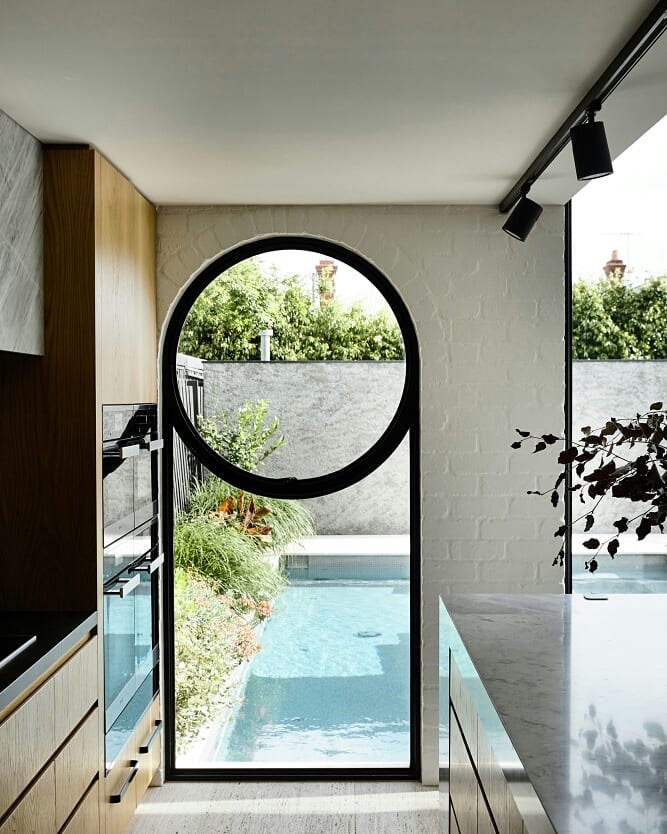
Selecting the right steel doors and windows is an important decision that directly impacts a building's security, durability, energy efficiency, and long-term maintenance costs. Whether you are sourcing products for commercial buildings, industrial facilities, residential developments, schools, hospitals, or public infrastructure projects, choosing high-quality steel doors and windows requires more than comparing prices.
Different manufacturers offer various materials, thermal insulation systems, coatings, glazing options, and customization services. Without understanding the key technical factors, buyers may encounter installation problems, poor weather resistance, high maintenance costs, or products that fail to meet local building regulations.
This guide explains the seven most important factors to evaluate before ordering steel doors and windows, helping architects, contractors, distributors, developers, and procurement managers make informed purchasing decisions.
1. Choose the Right Steel Material and Surface Treatment
The quality of the steel frame is the foundation of long-lasting steel doors and windows. Before placing an order, confirm the type of steel, material grade, wall thickness, and manufacturing standards used by the supplier.
Cold-rolled steel provides a smooth surface and excellent dimensional accuracy, making it suitable for residential and commercial buildings. Hot-rolled steel offers greater strength for heavy-duty industrial applications, while stainless steel is ideal for coastal or corrosive environments where superior rust resistance is required.
Surface treatment is equally important. Since steel is naturally susceptible to corrosion, protective coatings significantly influence service life. Common options include:
- Hot-dip galvanizing
- Electro-galvanizing
- Powder coating
- Fluorocarbon (PVDF) coating
- Zinc-rich primer with multiple paint layers
For outdoor applications, powder coating thickness generally ranges from 60–100 microns. Projects in coastal or industrial environments may require thicker coatings or hot-dip galvanized steel for enhanced corrosion protection.
Before ordering, request:
- Steel material certificates
- Galvanizing specifications
- Coating thickness reports
- Corrosion resistance test reports
- Warranty information
Choosing certified materials helps ensure consistent quality and reduces long-term maintenance costs.
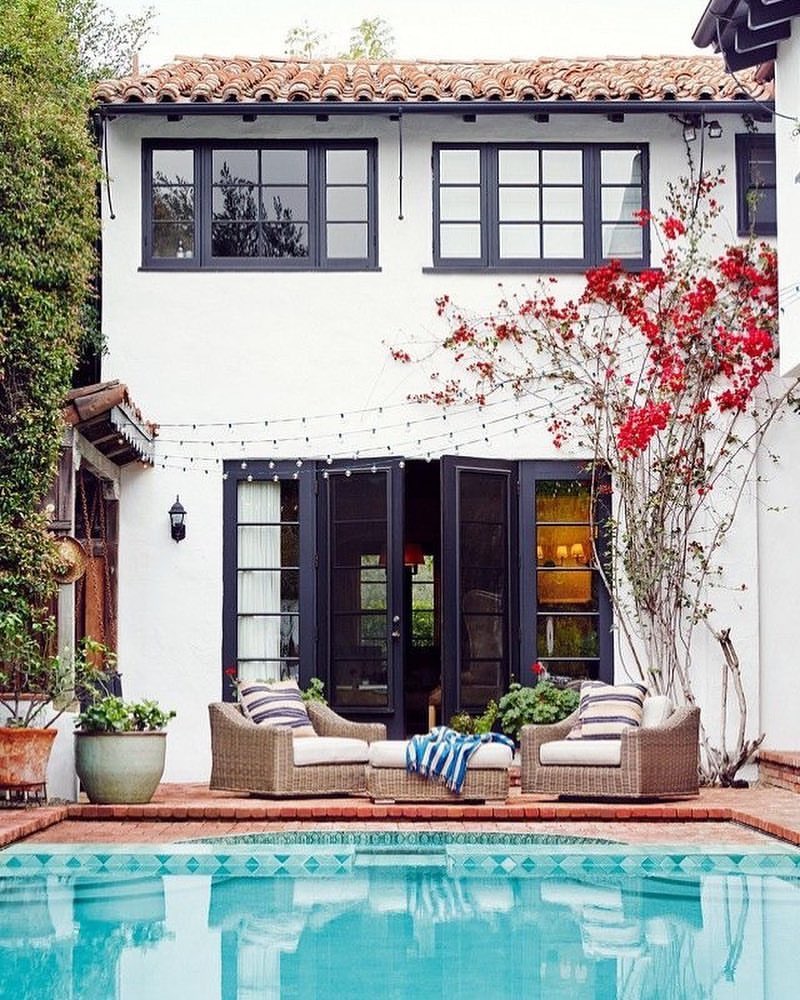
2. Evaluate Thermal Performance and Energy Efficiency
Modern buildings increasingly demand energy-efficient steel doors and windows that minimize heat transfer while maintaining structural strength.
Because steel naturally conducts heat, high-performance systems incorporate thermal break technology. A thermal break separates the interior and exterior sections of the frame using insulating materials such as polyamide strips, greatly reducing thermal conductivity.
Glass configuration also has a significant impact on overall performance. Consider factors such as:
- Double or triple glazing
- Low-E glass coatings
- Argon or krypton gas filling
- Warm-edge spacers
- Solar control glass
When these technologies are combined, steel doors and windows can achieve excellent insulation performance suitable for cold climates, hot regions, and energy-efficient buildings.
Ask suppliers to provide:
- U-value
- Solar Heat Gain Coefficient (SHGC)
- Visible Light Transmittance (VLT)
- NFRC or equivalent performance reports
These values help determine whether the products meet local energy efficiency requirements.
3. Verify Frame Dimensions and Structural Strength
Accurate dimensions are essential for successful installation. Even small measurement errors can cause alignment issues, air leakage, or expensive on-site modifications.
Before production begins, verify:
- Overall frame dimensions
- Frame depth
- Opening direction
- Threshold height
- Hardware locations
- Glass dimensions
- Installation tolerances
For commercial and high-rise buildings, structural performance is equally important.
Steel doors and windows should be engineered to withstand:
- Wind pressure
- Dead loads
- Impact loads
- Operational loads
- Building movement
Projects located in hurricane-prone, coastal, or high-wind regions should specify reinforced frame profiles, stronger glazing systems, and appropriate anchoring methods.
Always provide the manufacturer with your project's wind load requirements and applicable building codes before production.
4. Check Weatherproofing and Drainage Design
Water infiltration is one of the leading causes of window failure. High-quality steel doors and windows should incorporate an effective weatherproofing system that prevents rainwater from entering the building while allowing trapped moisture to drain efficiently.
Key design features include:
- Internal drainage channels
- Multiple drainage holes
- Sloped sills
- Pressure-equalized chambers
- Water deflectors
The sealing system is equally critical.
Premium steel doors and windows typically use high-quality EPDM or silicone gaskets that provide long-term resistance to UV exposure, temperature fluctuations, and aging.
Look for products featuring:
- Dual sealing systems
- Multi-point weatherstripping
- Compression seals
- Replaceable gasket designs
A properly engineered weatherproofing system improves air tightness, reduces water leakage, and enhances overall building performance.
5. Confirm Compliance with Building Codes and Certifications
Different countries have different building regulations. Ensuring compliance before purchasing helps avoid project delays, failed inspections, or costly replacements.
Ask suppliers whether their steel doors and windows comply with standards such as:
| Certification | Purpose |
|---|---|
| ASTM Standards | Structural and performance testing |
| EN Standards | European quality requirements |
| NFRC | Energy efficiency ratings |
| CE Marking | European market compliance |
| ISO 9001 | Quality management system |
| Fire-Rated Certifications | Fire protection requirements |
Depending on your project, additional certifications may be necessary for:
- Fire resistance
- Hurricane resistance
- Acoustic insulation
- Bullet resistance
- Smoke control
- Accessibility compliance
For public buildings, schools, hospitals, and commercial projects, verify that the products also meet local accessibility and safety regulations.
6. Review Customization Options and Manufacturing Lead Time
Every building project has unique design requirements. Fortunately, many manufacturers offer customized steel doors and windows to accommodate different architectural styles and performance needs.
Customization options commonly include:
- Custom sizes
- Frame profiles
- Glass types
- Surface finishes
- Powder coating colors
- Decorative bars
- Integrated blinds
- Hardware brands
- Locking systems
- Opening configurations
However, customized products usually require longer production times.
Typical lead times are:
- Standard products: 3–5 weeks
- Semi-custom products: 5–8 weeks
- Fully customized projects: 8–12 weeks or longer
Before placing your order, confirm:
- Engineering drawing approval process
- Sample requirements
- Production schedule
- Packaging specifications
- Shipping arrangements
- Delivery timeline
Clear communication helps minimize project delays and ensures the products arrive on schedule.
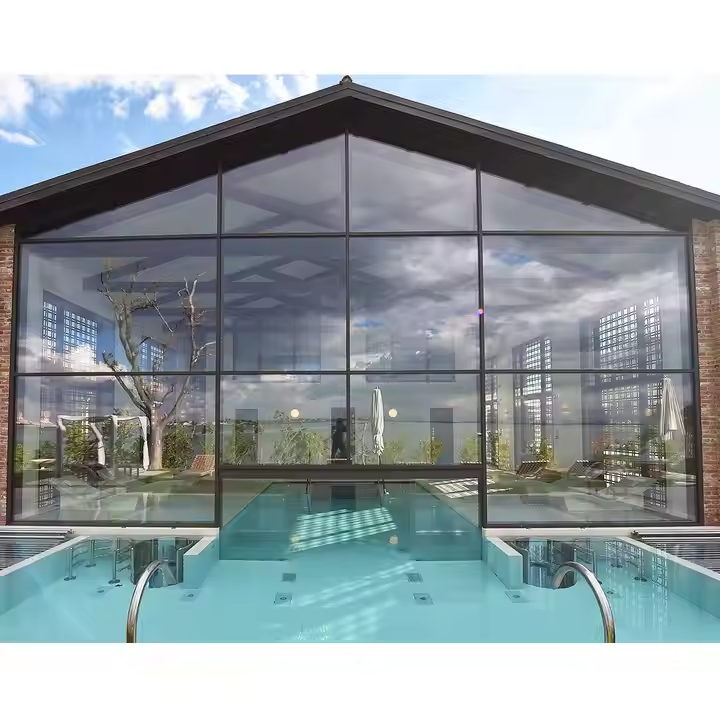
7. Select a Reliable Steel Doors and Windows Manufacturer
Choosing the right manufacturer is just as important as selecting the right product. A reliable supplier can provide consistent quality, technical support, and dependable after-sales service throughout the project lifecycle.
When evaluating manufacturers, consider the following:
Manufacturing Experience
An experienced manufacturer is more likely to have mature production processes, skilled technicians, and successful international project experience. Look for suppliers with extensive expertise in commercial, residential, and industrial applications.
Quality Control System
A professional manufacturer should implement strict quality inspections throughout production, including:
- Raw material inspection
- Welding quality inspection
- Surface treatment inspection
- Glass quality inspection
- Hardware testing
- Assembly inspection
- Final product testing
- Packaging inspection
Ask whether factory inspections and third-party quality inspections are available before shipment.
Engineering and Technical Support
Reliable manufacturers provide comprehensive technical assistance, including:
- CAD drawings
- Shop drawings
- BIM files
- Installation manuals
- Engineering consultation
- Product testing reports
This support helps architects, contractors, and installers reduce errors during construction.
Warranty and After-Sales Service
Before confirming your order, review:
- Product warranty period
- Coating warranty
- Hardware warranty
- Spare parts availability
- Technical support response time
- Replacement policy
A dependable manufacturer should continue supporting your project after delivery, ensuring long-term satisfaction and reliable product performance.
What to Check Before Ordering Steel Doors and Windows
| Factor | What to Verify |
| Material | Steel grade, coating, galvanizing, corrosion resistance |
| Thermal Performance | Thermal break, U-value, Low-E glass, insulated glazing |
| Structure | Frame dimensions, wall thickness, wind load rating |
| Weatherproofing | Drainage system, EPDM gaskets, sealing performance |
| Certifications | ASTM, EN, NFRC, CE, ISO, fire ratings |
| Customization | Size, finish, glass, hardware, opening type |
| Manufacturer | Quality control, engineering support, warranty, lead time |
Conclusion
Ordering steel doors and windows is a long-term investment that affects building safety, energy efficiency, aesthetics, and maintenance costs for years to come. Rather than focusing solely on price, buyers should carefully evaluate material quality, thermal performance, structural strength, weather resistance, certification compliance, customization capabilities, and the manufacturer's production expertise.
By considering these seven key factors before placing an order, you can minimize project risks, improve installation efficiency, and ensure your steel doors and windows deliver reliable performance throughout their service life. Partnering with an experienced manufacturer that offers certified materials, strict quality control, professional engineering support, and dependable after-sales service will provide greater confidence for both commercial and residential construction projects.
FAQ
1. What type of steel is best for steel doors and windows?
Cold-rolled galvanized steel is widely used for commercial and residential applications because it offers excellent strength, dimensional accuracy, and corrosion resistance. Stainless steel is recommended for coastal, marine, and highly corrosive environments.
2. Are thermal break steel doors and windows worth the investment?
Yes. Thermal break technology significantly reduces heat transfer through the frame, improving indoor comfort and lowering heating and cooling costs. It also helps buildings comply with modern energy efficiency standards.
3. How long does it take to manufacture custom steel doors and windows?
Production time depends on the level of customization. Standard products typically require 3–5 weeks, while fully customized projects may take 8–12 weeks or longer, depending on design complexity and order volume.
4. What certifications should I request before purchasing?
Ask for certifications related to structural performance, energy efficiency, corrosion resistance, fire safety, and quality management, such as ASTM, EN, NFRC, CE, ISO 9001, and any project-specific fire or safety certifications required by local building codes.
5. How can I evaluate a steel doors and windows manufacturer?
Review the manufacturer's production experience, quality control procedures, engineering support, certifications, export experience, warranty policy, and after-sales service. A reputable supplier should also provide detailed technical documentation, inspection reports, and professional project support throughout the purchasing process.
Table of Contents
- 1. Choose the Right Steel Material and Surface Treatment
- 2. Evaluate Thermal Performance and Energy Efficiency
- 3. Verify Frame Dimensions and Structural Strength
- 4. Check Weatherproofing and Drainage Design
- 5. Confirm Compliance with Building Codes and Certifications
- 6. Review Customization Options and Manufacturing Lead Time
- 7. Select a Reliable Steel Doors and Windows Manufacturer
- What to Check Before Ordering Steel Doors and Windows
- Conclusion
-
FAQ
- 1. What type of steel is best for steel doors and windows?
- 2. Are thermal break steel doors and windows worth the investment?
- 3. How long does it take to manufacture custom steel doors and windows?
- 4. What certifications should I request before purchasing?
- 5. How can I evaluate a steel doors and windows manufacturer?