 EN

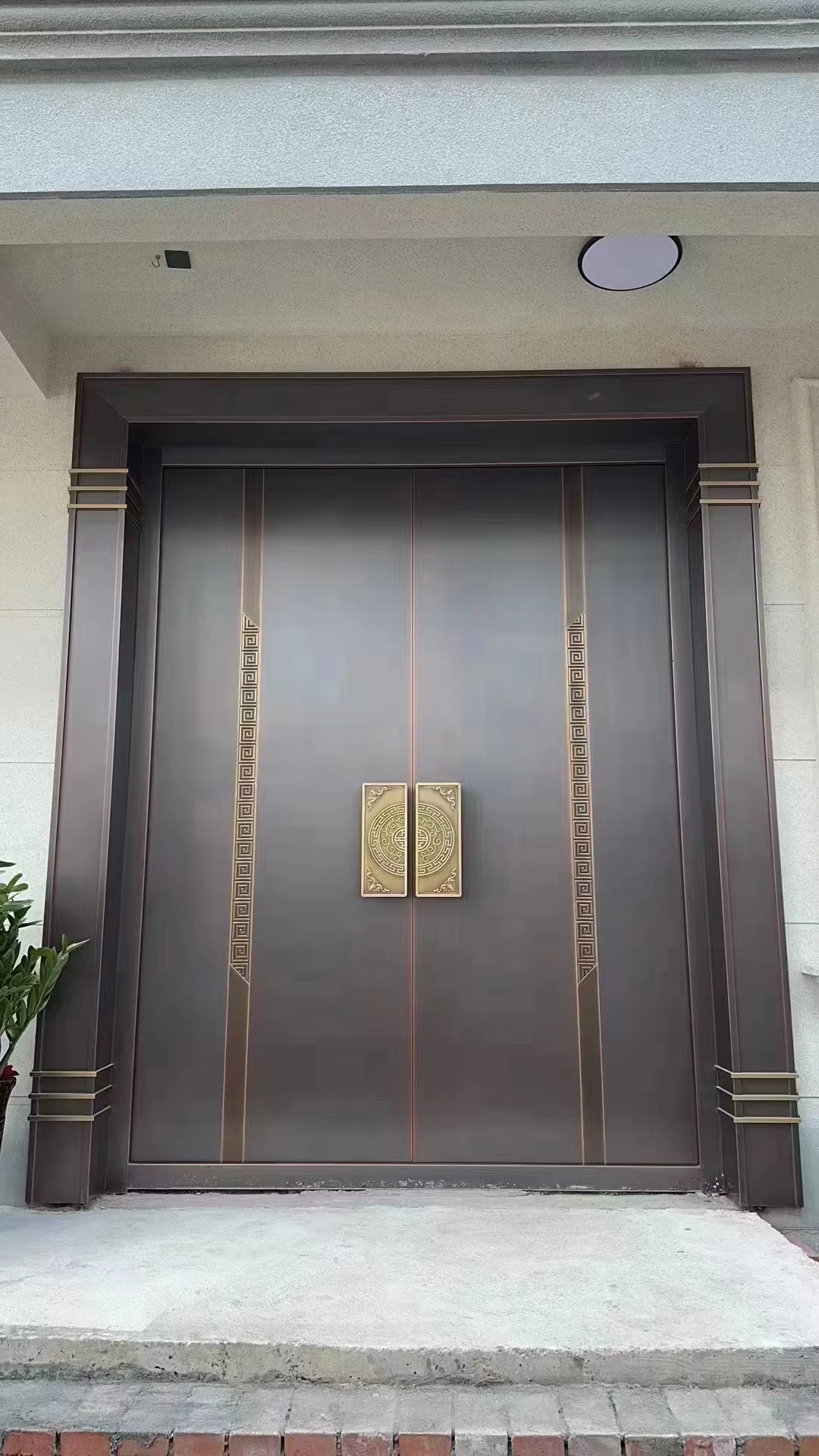
Yes, custom steel exterior doors can support OEM production for construction suppliers when product definition, manufacturing controls, and project handoffs are planned together. OEM suitability is not simply a matter of accepting a drawing. Buyers need a repeatable process that turns project requirements into consistent door assemblies, documented approvals, and dependable delivery coordination.
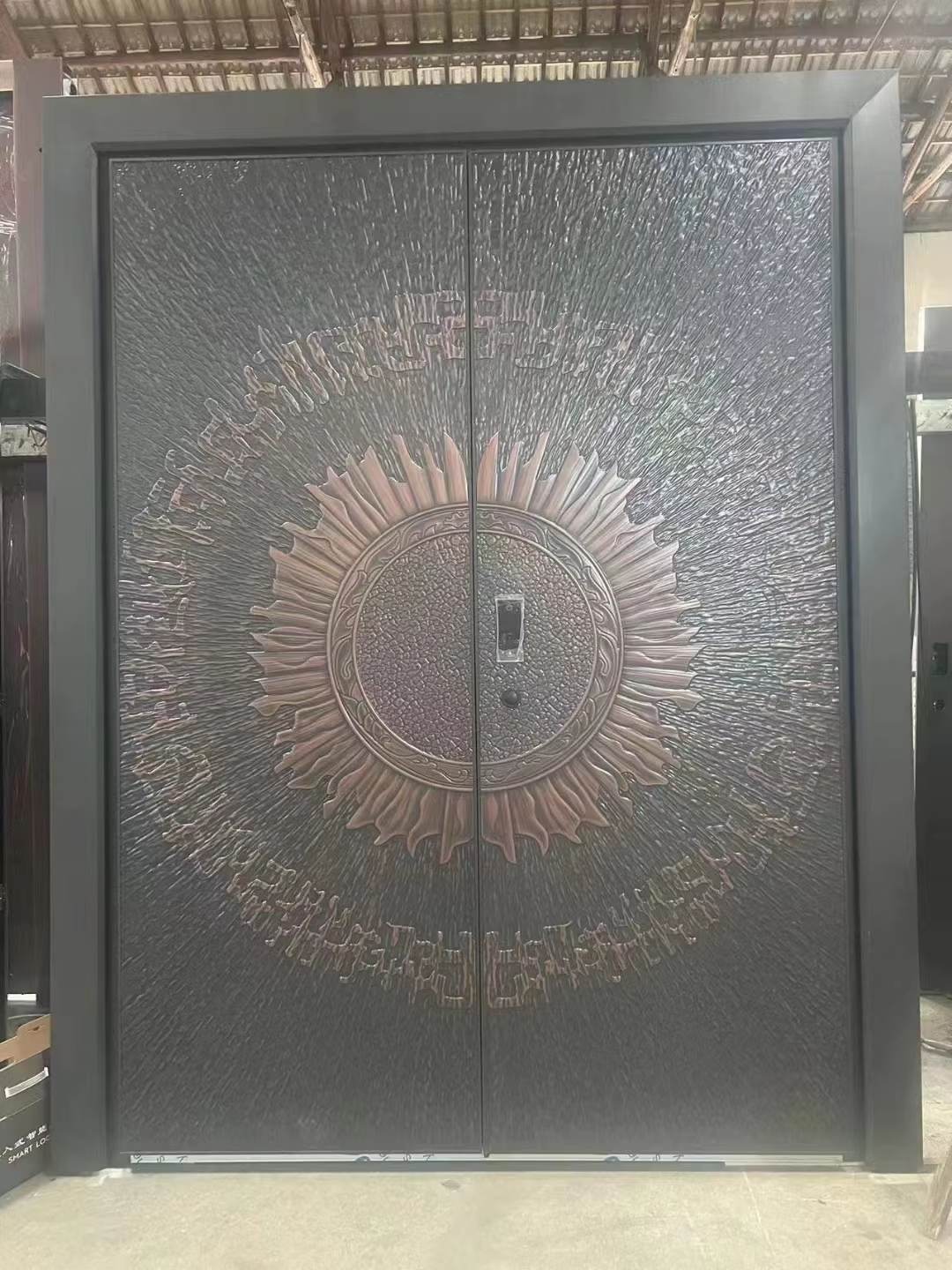
For a supplier serving contractors or developers, the practical test is whether a door program can accommodate defined variations without losing control of fit, finish, and installation details. This article explains how custom steel exterior doors can fit OEM workflows, what information should be agreed before production, and how to connect commercial exterior door specifications with steel door frame installation and weather-sealed steel door systems.
OEM readiness begins with controlled product definition
Translate project needs into a stable specification
OEM production works best when custom steel exterior doors start from a controlled specification rather than a loose visual reference. Document opening dimensions, handing, frame profile, hardware preparation, finish, and applicable project requirements. Clear commercial exterior door specifications help prevent assumptions from becoming costly revisions, while steel door frame installation requirements clarify how the assembly must meet the prepared opening.
A usable specification should distinguish standard configurations from approved options. For custom steel exterior doors, that may mean defining which dimensions, glazing arrangements, hardware locations, or finishes can vary and which need separate engineering review. Include weather-sealed steel door systems details, such as threshold interfaces and perimeter sealing, in the same review. This keeps commercial exterior door specifications connected to real site conditions and makes steel door frame installation easier to plan.
Build a repeatable approval process
Before a production release, suppliers should agree how drawings, samples, revisions, and approvals will be handled. A documented sequence gives every custom steel exterior doors order a clear reference point and reduces ambiguity between estimating, purchasing, and fabrication teams. Commercial exterior door specifications should identify the approved configuration, and the steel door frame installation notes should show required clearances and anchoring assumptions for the project.
The same discipline supports repeat orders without treating every job as identical. Retain the approved door schedule, revision record, finish reference, and hardware coordination notes, then verify them against each new order. When custom steel exterior doors change in size or configuration, review how the change affects commercial exterior door specifications, steel door frame installation, and weather-sealed steel door systems before releasing updated drawings.
Production consistency depends on process and coordination
Control configurable options and revisions
A viable OEM program needs a defined boundary between configurable choices and custom engineering. Suppliers can group custom steel exterior doors by repeatable families, then document permitted variations for each family. Commercial exterior door specifications should capture those options in unambiguous language, while weather-sealed steel door systems details identify the seals and interfaces associated with the selected configuration. This approach makes steel door frame installation information relevant to the actual assembly.
Revision control matters because a small change can affect more than appearance. A different lock preparation, frame depth, or threshold may change coordination with adjacent construction. For custom steel exterior doors, identify who approves each revision and how superseded drawings are removed from production use. Pair commercial exterior door specifications with updated installation documentation, and confirm whether weather-sealed steel door systems details need to change before fabrication continues.
Coordinate quality checks with downstream work
Quality planning should follow the features that matter to the project, not rely on a generic final inspection. Define checks for dimensions, finish condition, hardware preparation, and assembly before shipment. For custom steel exterior doors, these checks help confirm that commercial exterior door specifications match the delivered product. They also give installers usable information for steel door frame installation and clarify how weather-sealed steel door systems components should align.
Packaging and shipment planning are part of production readiness, especially when multiple openings or phases are involved. Label assemblies so receiving teams can match doors to schedules and floors, and protect finishes and projecting hardware during handling. An OEM plan for custom steel exterior doors should connect order identification with commercial exterior door specifications. Clear labels and handling notes can support steel door frame installation and help preserve weather-sealed steel door systems details through delivery.
Project handoffs determine practical OEM fit
Prepare installers before delivery
A fabricated door is only useful when the site team can install it as intended. Provide opening assumptions, frame anchoring guidance, required clearances, and coordination notes before work begins. For custom steel exterior doors, steel door frame installation instructions should match the approved frame and substrate, not a generic detail. Commercial exterior door specifications and weather-sealed steel door systems information should also explain relevant interfaces for thresholds and adjoining finishes.
Early coordination can expose conflicts while drawings are still easy to revise. Confirm wall construction, opening preparation, access requirements, and the sequence for fitting frames and leaves. If those conditions differ from the original assumptions, review the effects on steel door frame installation and the specified assembly. This is particularly important for custom steel exterior doors in projects where weather-sealed steel door systems must connect cleanly with the building envelope.
Evaluate program fit using operational evidence
Construction suppliers can assess OEM readiness through a pilot order or a defined first project. Compare approved drawings with fabricated units, record installation feedback, and track questions that arise during receiving and site work. For custom steel exterior doors, this review can reveal whether commercial exterior door specifications are complete and whether steel door frame installation guidance is sufficiently clear for the intended crew.
A successful pilot should result in practical process improvements, not just approval of a sample. Update templates, option rules, inspection points, and handoff documents based on actual project feedback. Confirm that weather-sealed steel door systems details remain understandable to both purchasing and installation teams. When these lessons are incorporated, custom steel exterior doors can become a manageable OEM offering with repeatable controls and room for project-specific requirements.
FAQ
Can OEM production accommodate project-specific door designs?
Yes, provided the design is reviewed and documented before release. Define configurable options, approval responsibilities, and revision controls so each order has a clear production reference. A pilot project can validate whether the documentation and handoffs support the supplier’s intended workflow.
What information helps prevent installation problems?
Provide verified opening dimensions, frame and anchoring details, hardware coordination, and site assumptions. Steel door frame installation guidance should correspond to the actual wall and frame conditions, while drawings should identify responsibilities for field verification and any required adjustments.
How should suppliers address exposure to weather?
Specify the intended interfaces and sealing components, then coordinate them with thresholds, adjacent construction, and installation sequence. Weather-sealed steel door systems need clear documentation so project teams understand how the assembly is designed to meet the opening and what details require site coordination.