 EN

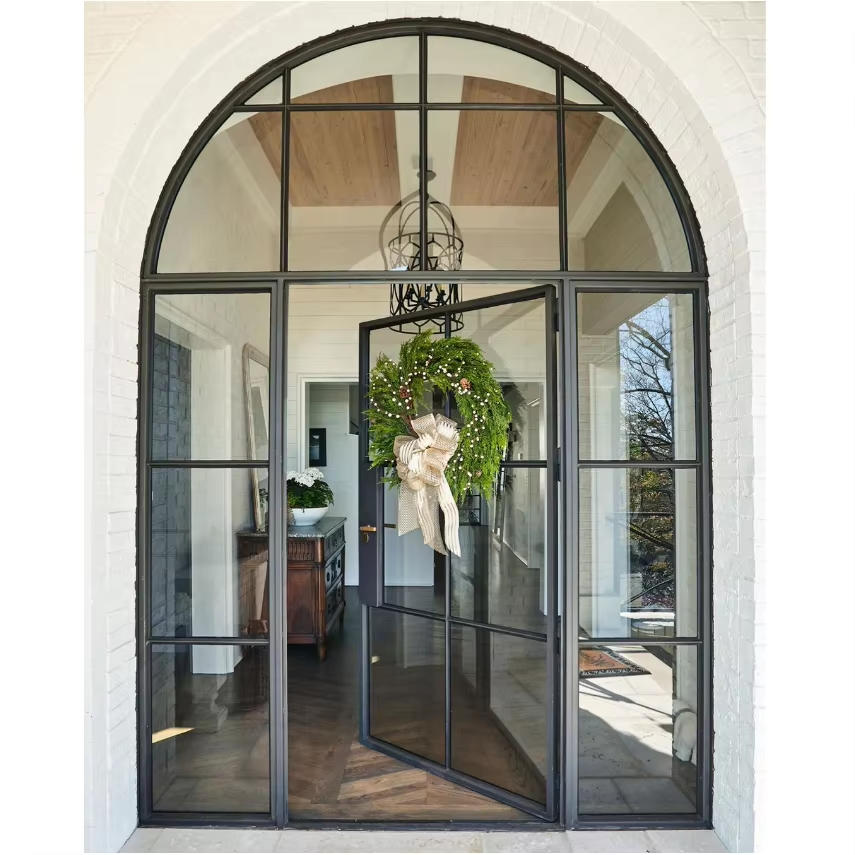
Yes, steel window suppliers can develop solutions for heritage and modern buildings when the project brief reflects the distinct demands of each. Heritage work prioritizes preserving original proportions, sightlines, and architectural character, while contemporary projects may emphasize thermal performance, accessibility, security, or larger glazed areas. A successful solution begins by translating those goals into compatible design and fabrication decisions, rather than assuming one standard window suits every building.
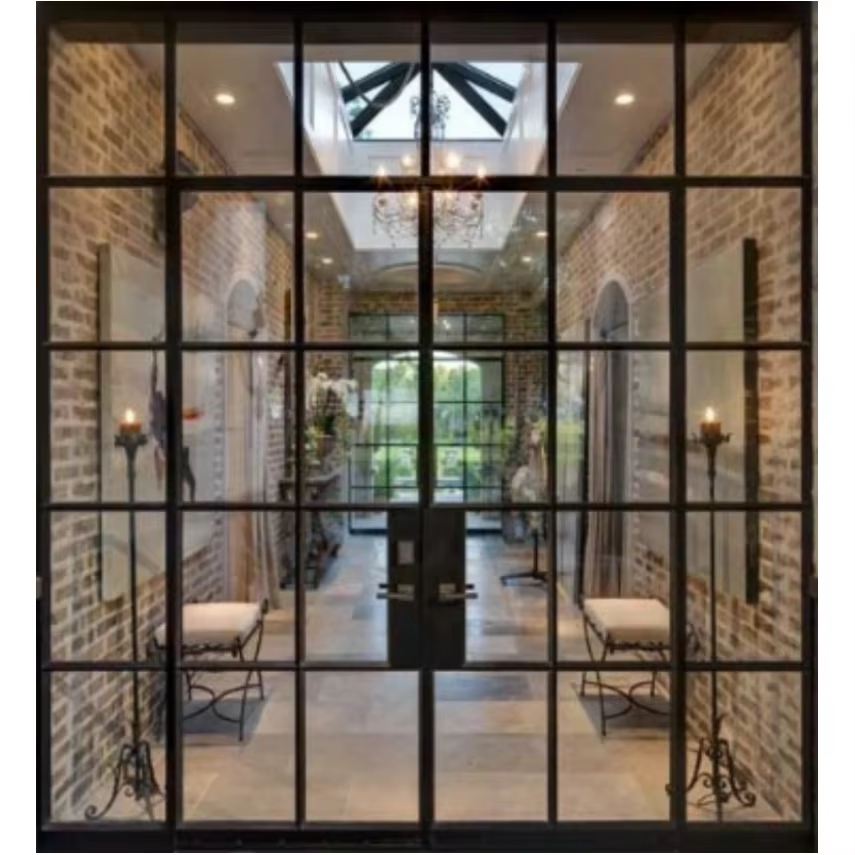
The practical question is how to reconcile appearance, code requirements, site conditions, and long-term operation. For a heritage property, the team may need to document existing profiles before proposing replacements; for a new home or commercial project, design intent and energy targets shape the opening system. Reviewing commercial steel windows specifications, residential steel window frames installation, and a steel window durability maintenance guide helps owners compare decisions across the full project lifecycle.
Designing for Heritage and Contemporary Contexts
Respecting original character
On a heritage building, first establish what must remain visually consistent: frame depth, glazing divisions, opening pattern, and the relationship between the window and surrounding masonry. Commercial steel windows specifications can record these constraints alongside dimensions and finish requirements. Residential steel window frames installation also depends on accurate surveys, since uneven openings and historic finishes can affect fit and reveal details that are easy to miss on drawings.
Where replacement is permitted, compare the proposed profile with the existing window from both inside and outside. Steel window durability maintenance guide planning should consider exposure, drainage, and access to the frame, not appearance alone. Commercial steel windows specifications can distinguish visible sightlines from concealed components, while residential steel window frames installation needs a clear plan for protecting adjacent plaster, stone, or timber during removal and fitting.
A conservation brief may require repair rather than wholesale replacement, so suppliers should clarify which elements can be retained and which need new fabrication. This keeps the design discussion grounded in the building’s condition. A steel window durability maintenance guide can help owners assess whether an existing finish or operable part can be maintained, while careful documentation supports consistent decisions across multiple openings.
Meeting modern design objectives
Modern buildings offer more freedom, but their requirements still need coordination. Commercial steel windows specifications should identify opening types, glass build-up, hardware, finish, and any thermal or safety criteria established by the design team. Residential steel window frames installation calls for the same attention to opening dimensions and fixing details, especially where a clean interior finish or a narrow frame profile is important.
For either context, the goal is a coherent system rather than a collection of attractive details. Confirm how the window integrates with insulation, cladding, seals, and drainage before fabrication begins. A steel window durability maintenance guide should also reflect the building’s exposure and the owner’s access plan, since practical upkeep influences which finishes and operating arrangements are suitable.
Turning the Brief Into a Buildable Specification
Recording requirements before fabrication
A useful brief separates visual requirements from functional ones. Commercial steel windows specifications can define dimensions, sightlines, glazing, opening direction, hardware, finish, and interfaces with the wall. Residential steel window frames installation benefits from a measured opening schedule that notes variations rather than relying on assumed uniform dimensions. These records make design review more precise and reduce ambiguity between drawings and site conditions.
Next, confirm which performance criteria apply to the project and who is responsible for verifying them. Avoid treating a heritage appearance or a slim frame as proof of a particular thermal, acoustic, or security outcome. Commercial steel windows specifications should state the relevant requirements and supporting documentation, while a steel window durability maintenance guide can identify cleaning and inspection needs that should inform material and finish choices.
Coordination matters before production because openings, glazing choices, and hardware affect one another. Review samples, section drawings, and representative details with the architect, contractor, and owner. Residential steel window frames installation can then be planned around access, sequencing, and protection of finished surfaces. Clear sign-off points help resolve conflicts while changes are still manageable.
Adapting details to each building
Heritage and modern projects may use similar components but require different interfaces. Commercial steel windows specifications for an older façade may emphasize matching divisions and minimizing disturbance, whereas contemporary work may coordinate with a new wall assembly. The steel window durability maintenance guide should explain how water is managed at the sill and how accessible seals and hardware will be over time.
For homes, residential steel window frames installation should account for each opening’s condition and the installer’s fixing method. For commercial work, sequencing across a larger elevation may influence delivery, access equipment, and inspection. In both settings, confirm tolerances and responsibilities in advance. A coordinated detail gives the fabricator and installer a shared reference instead of leaving critical decisions to the day of fitting.
Managing Installation and Long-Term Use
Preparing for a controlled installation
Installation quality depends on preparation as much as on the frame itself. Check opening measurements, substrate condition, delivery access, and the order in which units will be fitted. Residential steel window frames installation should include protection for interiors and adjacent finishes, with a plan for dealing with out-of-square openings. Commercial steel windows specifications can support site checks by stating approved dimensions, fixing points, and interface details.
During fitting, verify that frames are positioned and secured according to the project details, and that moving parts operate without obstruction. Inspect perimeter sealing and drainage paths before surrounding finishes conceal them. A steel window durability maintenance guide is more useful when the handover includes product-specific care instructions and identifies which checks belong to the building operator.
Keep records of installed units, finish selections, adjustments, and any approved site changes. These details help facilities teams understand the system later. Commercial steel windows specifications should stay aligned with the as-built condition, and residential steel window frames installation records can make future repairs or adjustments more straightforward for homeowners.
Planning realistic maintenance
Steel windows need an appropriate care routine based on finish, exposure, use, and the manufacturer’s instructions. A steel window durability maintenance guide should describe routine cleaning, inspection of seals and hardware, and a process for addressing coating damage. The aim is timely attention, not an unsupported promise that maintenance can be eliminated.
Owners should also know how to operate the windows and whom to contact if a unit binds, leaks, or shows finish damage. Residential steel window frames installation handover can explain cleaning and safe operation, while commercial steel windows specifications provide a reference for the installed configuration. This practical information makes long-term stewardship part of the project rather than an afterthought.
FAQ
Can one window design work for heritage and modern buildings?
Sometimes a shared system can be adapted, but the visible profile, glazing divisions, and interfaces may need to change. Commercial steel windows specifications should reflect each building’s constraints, and residential steel window frames installation requires measurements specific to each opening.
What should owners confirm before approving a design?
Confirm appearance, dimensions, applicable performance criteria, finish, hardware, installation responsibilities, and maintenance expectations. A steel window durability maintenance guide can clarify care needs, while commercial steel windows specifications make the agreed design requirements explicit.
How can teams reduce installation problems?
Survey openings carefully, coordinate wall details, and agree on tolerances and site checks before fabrication. Residential steel window frames installation benefits from clear sequencing, and a steel window durability maintenance guide supports a useful handover. Together with complete commercial steel windows specifications, these steps keep design intent connected to the finished building.