 EN

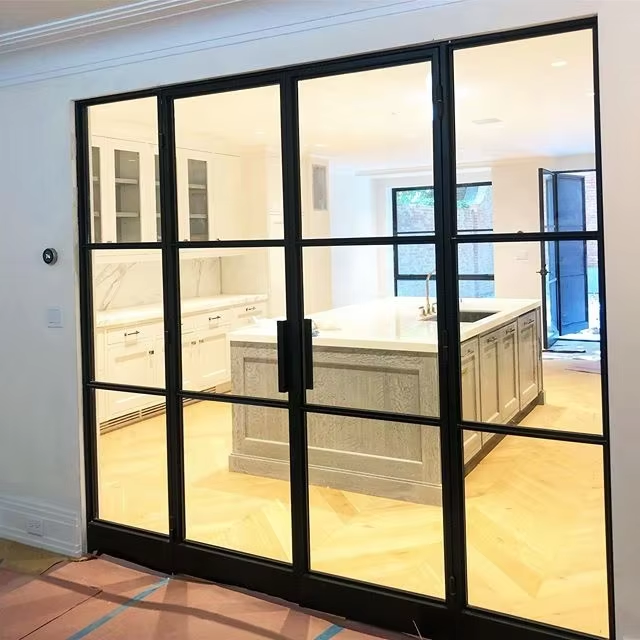
Crittall french doors can bring clear sightlines, defined structure and a strong connection between rooms or between a home and its garden. Their glazed panels and slender-looking grid suit modern interiors, but successful results depend on choosing the right opening, frame finish and glass specification. Industrial steel frame doors and metal grid partition doors offer related design cues, while vintage glazed door styles add a softer historical reference.
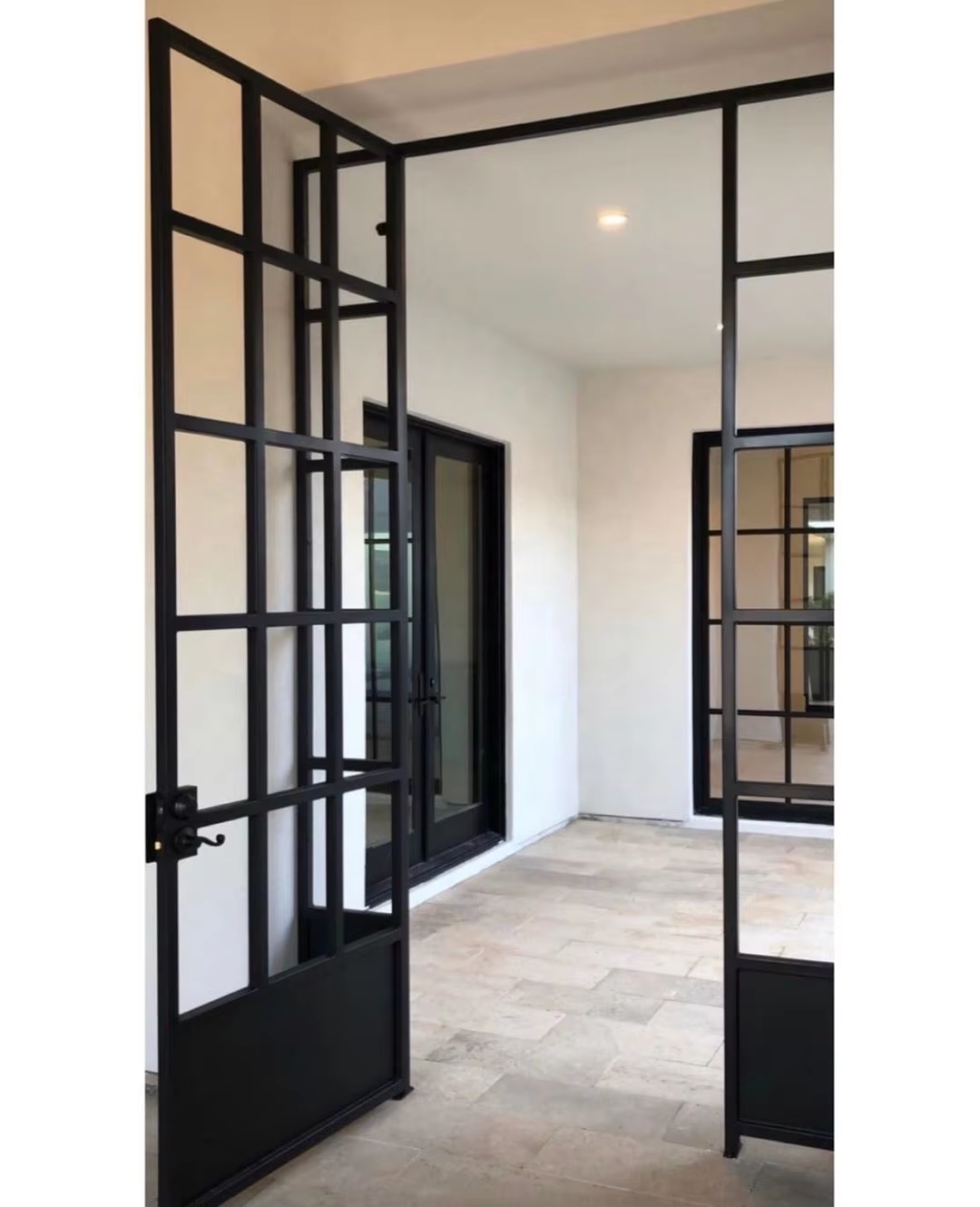
The best design choice is not simply the one with the most glazing. Consider how people move through the space, how much privacy each room needs and whether the doors face changing weather. Industrial steel frame doors can establish a crisp architectural rhythm; metal grid partition doors can divide space without blocking views; vintage glazed door styles can help connect new work with existing character.
How the doors shape connected spaces
Creating separation without visual closure
A glazed pair can divide a kitchen from a dining room while allowing daylight and views to pass between them. This makes crittall french doors useful when an open plan feels too exposed but a solid wall would make the interior seem smaller. Metal grid partition doors create a related balance, retaining visual connection while marking a functional boundary. Industrial steel frame doors can reinforce that boundary with a strong, orderly outline.
Grid proportions influence the mood as much as the frame itself. Larger panes feel quieter and keep the view prominent; smaller divisions introduce more pattern and can relate to existing windows. Vintage glazed door styles often use a more traditional rhythm, whereas metal grid partition doors can read as a deliberate contemporary feature. Check sightlines from seated and standing positions before settling on a layout.
Framing garden and patio transitions
When doors open to a patio, terrace or garden, the glazed panels make the exterior feel visually closer even when the doors are shut. Industrial steel frame doors can give the opening a defined edge that relates to outdoor paving or dark window frames. Vintage glazed door styles may suit a renovated property, while metal grid partition doors can echo the interior divisions and create a consistent visual language.
The opening arrangement should reflect everyday movement, not only the ideal photograph. Consider which leaf will be used most often, where furniture sits and whether an open door will obstruct a path. Crittall french doors need enough clearance to swing comfortably. For a patio connection, industrial steel frame doors, metal grid partition doors and vintage glazed door styles should all be assessed against the actual threshold and approach.
Design choices for a cohesive result
Balancing frame, grid and glazing
Frame color can either blend with surrounding joinery or make the doorway a focal point. A dark frame often sharpens the grid against pale walls, while a restrained finish can make the doors feel integrated. Industrial steel frame doors bring a more assertive outline; vintage glazed door styles may call for a finer, less uniform effect. Metal grid partition doors can help carry the selected pattern into adjacent spaces.
Glass selection affects privacy, light and the perceived weight of the opening. Clear glass maximizes visual connection, while textured or obscured glass can soften views where a bathroom, study or neighboring property is close. Discuss safety and performance requirements with the project professional. Crittall french doors can then be coordinated with industrial steel frame doors, metal grid partition doors and vintage glazed door styles without treating appearance as the only design criterion.
Relating new doors to existing architecture
In a contemporary home, a regular grid can complement clean lines, simple finishes and broad openings. In a period renovation, the same idea may need more careful proportioning so it does not compete with original trim or masonry. Vintage glazed door styles provide a useful reference for scale and character, while industrial steel frame doors and metal grid partition doors offer patterns that can be adapted to the building.
Use nearby details to guide decisions: window muntins, stair rails, floor transitions and cabinet hardware can all influence the appropriate grid density. Repeating every motif is unnecessary; a measured visual connection usually feels more composed. Metal grid partition doors can align with internal glazing, while vintage glazed door styles can inform the division pattern. Industrial steel frame doors can then anchor the overall scheme without overwhelming it.
Planning installation and daily use
Checking opening conditions and operation
Before specifying the doors, confirm the opening dimensions, wall condition, finished floor height and direction of travel. Uneven floors or limited wall space may affect the swing, threshold and handle position. Industrial steel frame doors should be selected for the intended location and exposure, rather than assumed suitable for every opening. Metal grid partition doors and vintage glazed door styles also need practical checks for clearance, fixing and routine use.
For an exterior opening, ask how the assembly addresses weather exposure, drainage, sealing and thermal requirements. These details depend on the product specification and the building context, so confirm them with the project team before ordering. Crittall french doors should work as part of the complete opening, including the frame, hardware and threshold. Industrial steel frame doors, metal grid partition doors and vintage glazed door styles all require coordinated measurements.
Matching specification to the project
Interior partitions and exterior patio doors face different demands. An internal divider may prioritize sightlines and acoustic separation, while an exterior unit must also suit weather, security and energy goals. Metal grid partition doors can define a room without serving as an external barrier. Vintage glazed door styles can guide the look, but the specification for industrial steel frame doors should reflect the actual application.
Ask for drawings that show the grid, opening direction, handle location and relationship to adjacent finishes. Confirm that the selected glass and frame meet project requirements, then review samples in the room’s natural and artificial light. This process helps ensure crittall french doors feel intentional rather than added late. Metal grid partition doors, vintage glazed door styles and industrial steel frame doors can all inform a coherent scheme when decisions are coordinated.
FAQ
Do crittall french doors suit small rooms?
They can suit a small room when the glazed panels preserve views and daylight, but the swing needs adequate clearance. Compare the proposed opening with sliding or fixed-glazing options if circulation is tight. Industrial steel frame doors and metal grid partition doors can also define boundaries, while vintage glazed door styles offer a reference for a less pronounced grid.
Can these doors work between a home and a patio?
Yes, provided the chosen unit is specified for exterior use and the opening is properly detailed. Confirm weather sealing, glass, hardware and threshold requirements with the project professional. Industrial steel frame doors may suit the architectural look, while metal grid partition doors and vintage glazed door styles can help coordinate interior treatments and visual proportions.
How can the grid look consistent with existing windows?
Compare the spacing, frame color and overall scale of nearby windows before finalizing a pattern. Exact matching is not essential, but related proportions can make the design feel deliberate. Vintage glazed door styles can guide character, and metal grid partition doors or industrial steel frame doors can extend the same visual logic through connected rooms.