 EN

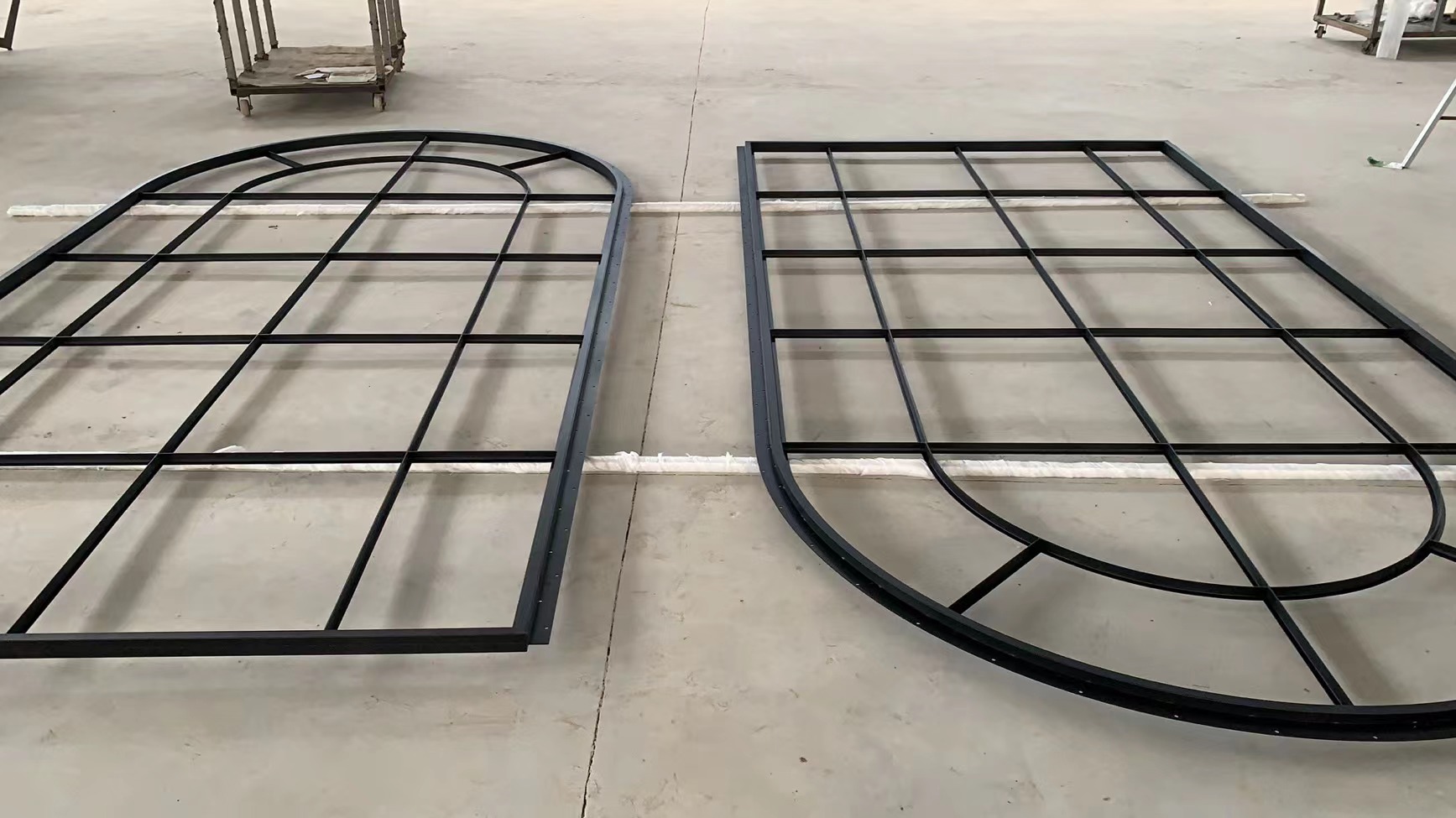
Metal window suppliers can reduce project installation costs by helping teams prevent avoidable work before products reach the site. Their contribution extends beyond supplying units: coordinated dimensions, clear specifications, delivery planning, and practical installation guidance can limit rework, delays, and extra labor. These benefits matter especially when commercial metal windows must fit complex openings or tight construction schedules.
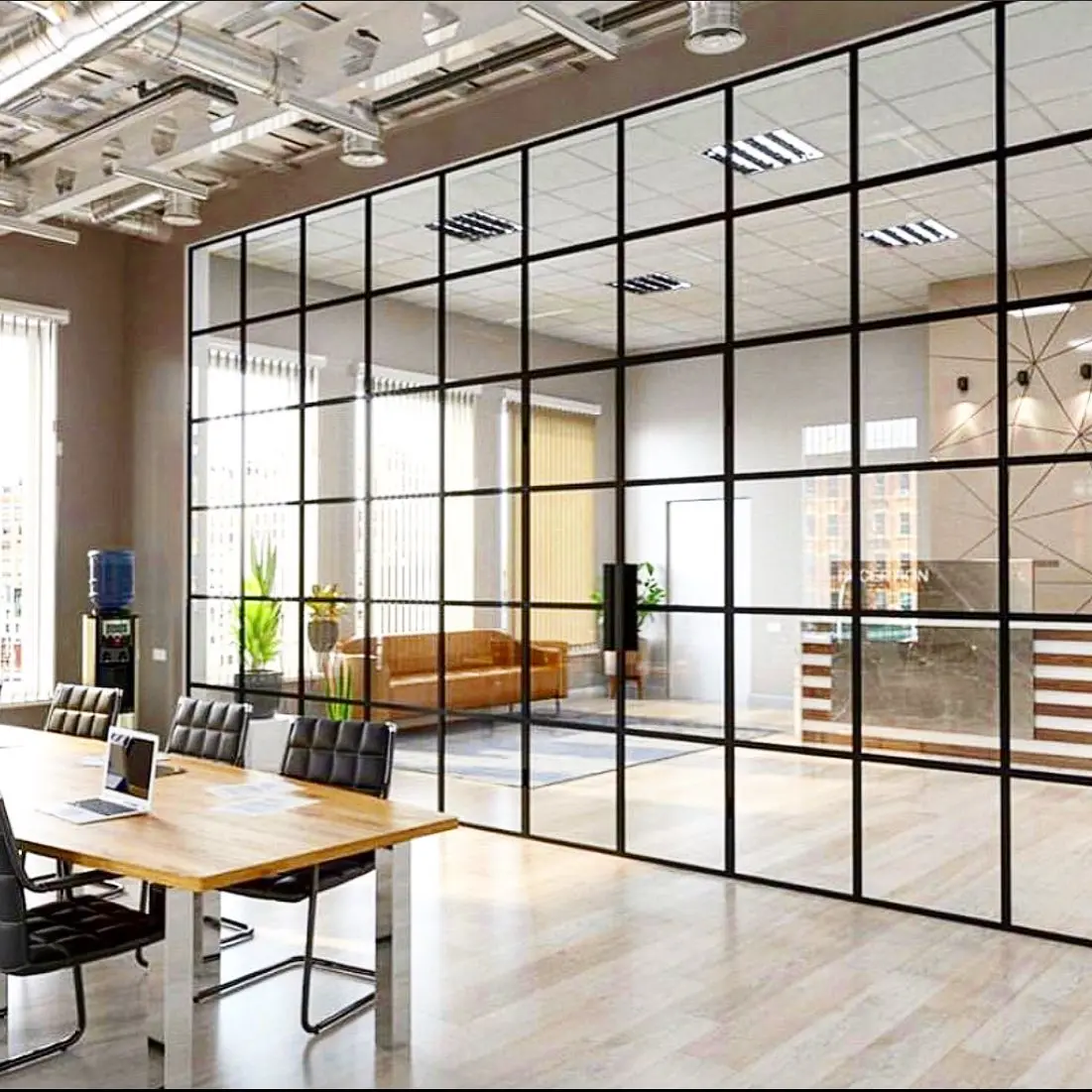
The greatest savings usually come from decisions made before fabrication and installation begin. When project teams involve metal window suppliers early, they can resolve measurement questions, align product details with site conditions, and plan the handoff between trades. That preparation can make aluminum window frames easier to install and help control steel window installation costs.
Cost savings begin before fabrication
Confirming dimensions and specifications early
A window opening that differs from the approved drawing can trigger adjustments, replacement work, or a pause while teams decide how to proceed. For commercial metal windows, suppliers can review schedules, opening dimensions, operating types, and finish requirements before production. Early coordination gives the project team time to spot conflicting details and confirm which measurements govern.
The review should connect architectural intent with actual construction conditions. Teams need to confirm wall build-up, sill depth, anchoring space, and the relationship between the frame and adjacent finishes. Checking aluminum window frames against these details can reduce improvised packing or trimming. This is a practical way to limit labor that was not included in the original installation plan.
Clear scope also prevents avoidable assumptions. The project team should identify who verifies field dimensions, who approves shop drawings, and when changes become cost or schedule variations. Suppliers who flag unresolved information before fabrication help keep commercial metal windows aligned with approved openings rather than forcing installers to compensate after delivery.
Reducing revisions and avoidable handling
A coordinated submittal package can lower the chance of repeated drawing revisions. It should make frame sizes, hardware, finish, glazing interfaces, and installation conditions understandable to the relevant trades. Where aluminum window frames require specific clearances or support points, documenting them in advance helps the site team prepare openings and materials before units arrive.
Revision control matters because changes late in the sequence can affect both fabrication and site labor. Agreeing on approval milestones, recording the current drawing version, and routing questions to a responsible decision-maker keeps instructions consistent. For commercial metal windows, even a modest reduction in handling, sorting, and correction work can protect the installation allowance across many openings.
Coordination improves installation productivity
Aligning deliveries with site readiness
A delivery that arrives before openings are ready creates storage and handling demands; one that arrives late can leave installers idle. Project teams can coordinate delivery batches with floor access, lifting arrangements, weather protection, and the sequence of surrounding trades. This matters for steel window installation, where careful staging and a suitable route to each opening should be planned.
Suppliers can help establish realistic delivery windows and communicate packaging or unloading needs, while the contractor confirms site readiness. A shared plan reduces unnecessary movement and makes it easier to protect finished surfaces. When commercial metal windows arrive in a sequence that matches the work area, crews spend more time fitting units and less time searching, relocating, or waiting.
Receiving procedures deserve attention as well. The team should know how to check quantities, inspect visible damage, record exceptions, and store units safely if immediate installation is not possible. These steps do not eliminate every issue, but they give the project a clear response path and help keep aluminum window frames organized by location and installation phase.
Making trade interfaces clear
Window work touches several trades, including structural framing, waterproofing, glazing, and interior finishing. A brief interface review can clarify which party prepares substrates, installs membranes, seals joints, and completes adjacent finishes. For steel window installation, assigning these responsibilities early helps prevent duplicated effort or gaps that are discovered only during inspection.
The same coordination applies to commercial metal windows installed in phased construction. Teams should agree on tolerances, anchor access, perimeter sealant requirements, and inspection hold points. If aluminum window frames meet cladding or masonry, installers need to understand how those interfaces are intended to work, rather than making site decisions that may require later correction.
Suppliers can support this process with installation information that reflects the selected system, but the site team must confirm it suits the approved project details. A short pre-installation meeting can surface unanswered questions, align the sequence, and identify who can authorize a change. This reduces interruptions without transferring design or site responsibilities to the supplier.
Practical planning protects the installation budget
Using installation guidance and quality checks
Useful guidance explains preparation, setting, fixing, adjustment, and sealing in a sequence installers can follow. Before steel window installation starts, supervisors should check that openings are ready, components are available, and crews understand the approved method. A consistent process helps avoid repeated adjustments and makes progress easier to inspect across different work areas.
Quality checks should happen at sensible points, such as after positioning and fixing but before concealment by later finishes. Confirming alignment, operation, fastening, and perimeter conditions early makes corrections more accessible. For aluminum window frames, teams should follow project requirements for support and movement rather than relying on assumptions based on another system.
A documented punch process also contains cost. Recording an issue with its location, cause, owner, and planned resolution helps crews address patterns rather than repeatedly treating symptoms. For commercial metal windows, recurring alignment or finish concerns may indicate a measurement, handling, or sequencing problem that can be corrected on subsequent units.
Evaluating cost beyond the purchase price
A low initial price does not necessarily produce the lowest installed cost. Project evaluation should consider coordination effort, packaging, delivery timing, required site preparation, installation complexity, and the likelihood of changes. When comparing proposals for commercial metal windows, teams can ask for clear inclusions and identify assumptions that could become extra labor or schedule exposure.
The same whole-project view helps when selecting aluminum window frames or planning steel window installation. Consider whether details suit the opening and construction sequence, whether instructions are available, and how replacement components or questions will be handled. These are not guarantees of savings; they are practical checks that reveal where installation risk and cost may arise.
Track labor hours, delivery issues, field adjustments, and inspection corrections during the work. Reviewing these records with the project team can show whether early coordination is working and where the next phase needs a different approach. The most effective savings come from preventing repeat problems while keeping quality, safety, and approved design requirements intact.
FAQ
At what project stage should suppliers be involved?
Involve them during design coordination or procurement, before dimensions and shop drawings are locked. Early review of commercial metal windows and aluminum window frames can reveal opening, interface, or scheduling questions while changes are easier to manage.
Can supplier coordination reduce steel window installation labor?
It can reduce avoidable labor when teams use verified dimensions, clear installation details, suitable delivery sequencing, and defined trade responsibilities. Steel window installation still depends on site readiness, competent crews, and compliance with approved project requirements.
What should a contractor confirm before delivery?
Confirm opening readiness, access and unloading arrangements, storage protection, delivery quantities, and the current approved drawings. For commercial metal windows, clarify inspection and issue-reporting steps; for steel window installation, make sure the crew has the required components and guidance before work begins.