 EN


Global construction procurement depends on more than finding a product that meets a drawing. Metal window suppliers can help project teams align specifications, production information, shipping plans, and site requirements across markets. For buyers evaluating commercial metal window frames, the value lies in reducing coordination gaps before they become delays, rework, or unclear responsibilities.
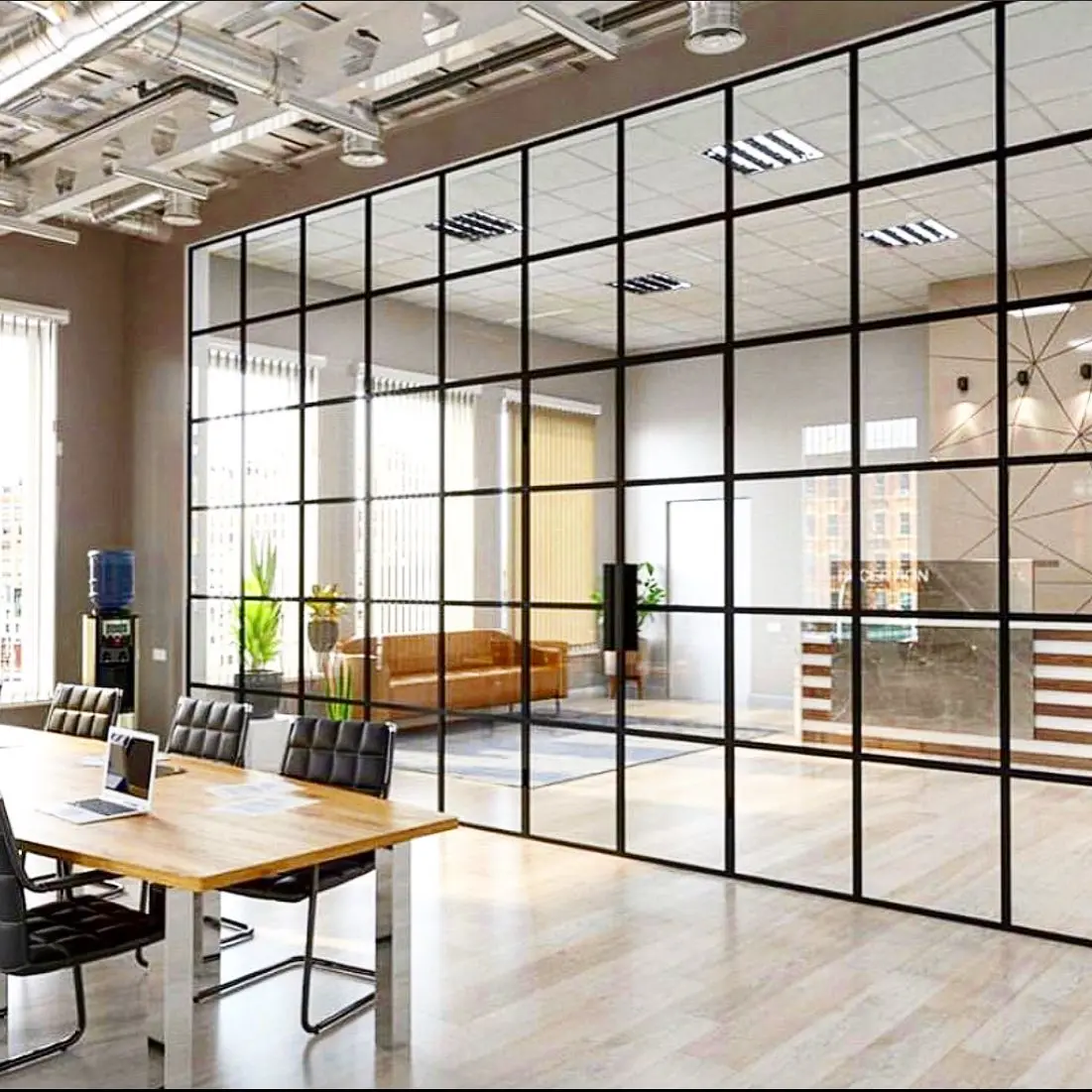
That support works best when procurement begins with a defined scope and continues through delivery and installation planning. Aluminum window installation services and steel window replacement costs may involve different teams and assumptions, so buyers should clarify what is included, what must be provided locally, and how decisions will be documented. A coordinated process makes those interfaces visible early.
Aligning requirements across project teams
Turn design intent into a procurement-ready scope
Start by consolidating architectural schedules, performance requirements, finish selections, opening sizes, and applicable project standards. Metal window suppliers need this information to assess whether commercial metal window frames match the intended application, rather than relying on a broad product description. A clear schedule should identify each opening, its location, relevant dimensions, and any project-specific notes.
Resolve unclear specifications before requesting final pricing. For example, define whether performance targets apply to a complete window assembly or an individual component, and confirm how testing or supporting documents will be reviewed. When scope is stable, suppliers can price the same basis, while buyers can compare commercial metal window frames without confusing unlike configurations or assumptions.
Make interfaces and responsibilities explicit
Global projects often divide design, supply, freight, customs handling, and site work among different parties. Establish who approves shop drawings, who verifies field dimensions, and who manages changes after approval. Metal window suppliers can coordinate product information, but the contract should state the boundary between their work and local aluminum window installation services.
A responsibility matrix is useful when a project spans several organizations, even if it remains a simple internal document. Record who owns each decision, the required response date, and the evidence needed for sign-off. This helps commercial metal window frames move through review with fewer unanswered questions and gives the project team a traceable basis for resolving later disputes.
Coordinating production, shipping, and site readiness
Connect manufacturing milestones to delivery needs
Procurement schedules should connect approval dates, production release, packing, dispatch, and the planned installation sequence. Ask suppliers to identify which milestones depend on buyer decisions, such as finish confirmation or approved drawings. A realistic schedule for commercial metal window frames should include time for document review and foreseeable transport steps, not only factory lead time.
Confirm packaging, labeling, delivery location, unloading arrangements, and the party responsible for import documentation before goods are released. These details matter when components arrive in phases or when site storage is limited. Aluminum window installation services can be scheduled more reliably when the receiving team knows what is arriving, how it is identified, and whether access equipment is ready.
Prepare the site for installation and change control
Before dispatch, compare approved opening information with current site conditions and set a process for reporting discrepancies. Metal window suppliers may produce to approved dimensions, while local teams remain responsible for confirming that openings are ready unless the agreement says otherwise. This check can prevent avoidable alterations and clarify how a field change affects commercial metal window frames.
A controlled submittal record should capture drawing revisions, finish approvals, inspection notes, and delivery status. When a change is proposed, document its effect on scope, timing, and price before authorizing it. That discipline is especially important when aluminum window installation services are contracted separately, because a design revision can affect both the supplied units and the site work.
Managing cost visibility and lifecycle decisions
Build a comparable, complete procurement budget
A product quote is only one part of landed project cost. Ask for a clear basis covering configuration, finish, packaging, delivery terms, documentation, and any exclusions. Buyers assessing commercial metal window frames should also identify local costs, including receiving, storage, access equipment, installation labor, and applicable duties, rather than treating the quoted unit price as the total.
For renovation work, establish the scope behind steel window replacement costs before comparing proposals. Existing conditions, removal, disposal, opening repairs, and temporary protection may materially change the work required. Metal window suppliers can clarify product-related assumptions, while the project team should identify which existing-building conditions require a survey or separate allowance.
Use documentation to support long-term decisions
Keep product schedules, approved drawings, finish details, maintenance guidance, and warranty terms with the project record. This information helps facilities teams identify installed units and plan future maintenance. It also gives procurement a reliable reference if commercial metal window frames need repair, replacement, or matching at a later project stage.
Compare options against service life requirements, maintainability, environmental exposure, and the consequences of access or replacement work. Steel window replacement costs are more useful when the estimate states its assumptions and separates known work from uncertain site conditions. For aluminum window installation services, confirm training, access, and acceptance criteria so the handover records what was installed and checked.
The strongest procurement relationship is based on timely information rather than broad assurances. Metal window suppliers can support global teams by responding to defined submittal requirements, flagging missing decisions, and keeping production and shipping updates connected to the project schedule. Buyers retain control by assigning approvals, checking assumptions, and documenting changes throughout the process.
FAQ
How early should suppliers be involved in global procurement?
Involve them when specifications and opening schedules are being developed, before the procurement package is locked. Early review of commercial metal window frames can identify missing details, while aluminum window installation services and steel window replacement costs can be scoped with clearer boundaries. The design team remains responsible for final project requirements.
What should buyers clarify before approving delivery?
Confirm approved drawings, packing and labeling, delivery terms, document requirements, site access, and the receiving party. Also check that aluminum window installation services are scheduled against actual site readiness, rather than an assumed arrival date. Keep unresolved conditions visible so they do not become last-minute acceptance or storage issues.
How can a team evaluate replacement budgets?
Define the work included, survey existing openings, and separate product, removal, repair, installation, and disposal assumptions. Request a consistent basis for steel window replacement costs and retain records identifying the selected commercial metal window frames. This creates a more useful budget for approval and future maintenance planning.