 EN

Modern steel window frames can strengthen a contemporary project’s visual language while helping architects manage daylight, proportions, and connections between inside and out. Their slender profiles suit expansive glazing and clear sightlines, but a successful specification depends on more than appearance. The design team should evaluate industrial window design trends alongside facade requirements, steel frame durability and maintenance, and thermal performance in metal windows.
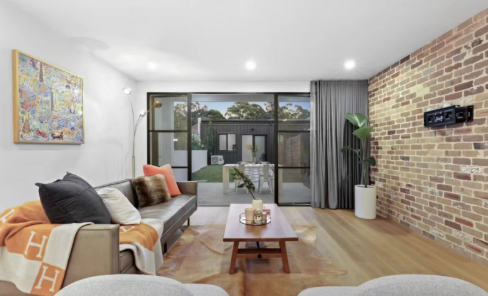
The strongest results come from treating the window as part of the building envelope, not as a decorative insert. When frame depth, opening type, glazing, finish, and installation are considered together, the specification can support the project’s intended character and use. This guide explains how modern steel window frames contribute to contemporary architecture and what teams should resolve before drawings and schedules are finalized.
Architectural expression through proportion and light
Using slim profiles with purpose
A narrow frame can make a window read as a precise line in a facade, preserving views and bringing more daylight into interior spaces. That quality helps explain industrial window design trends that favor honest materials, repeated grid patterns, and visible structure. Still, profile size must follow engineering limits, glazing dimensions, wind loads, and hardware needs rather than visual preference alone.
In a loft conversion, a studio, or a public-facing workspace, modern steel window frames can create continuity between separate openings. Designers may align mullions with floor edges, interior partitions, or exterior cladding joints to keep the elevation composed. This coordination makes industrial window design trends useful as a design reference, not a template to copy without regard for the building.
Coordinating openings with the facade
Fixed panels, operable sections, and combinations of both affect the facade’s rhythm and day-to-day use. A large fixed pane may preserve an uninterrupted view, while an opening sash can provide ventilation where occupants need it. Industrial window design trends often combine these functions in a single composition, so teams should check sightlines, handle positions, cleaning access, and furniture layouts early.
Color and surface finish also influence how a frame meets stone, brick, timber, or metal cladding. The selected finish should be reviewed alongside samples and junction details, since reflections and shadow lines can change the perceived width of the frame. Considering steel frame durability and maintenance during this stage helps the design balance visual intent with the realities of exposure and routine care.
Performance decisions behind the appearance
Managing heat flow and comfort
Metal conducts heat, so thermal performance in metal windows depends on the complete assembly rather than the frame material in isolation. Thermal breaks, glass specification, seals, and the connection to the wall all influence heat transfer and interior comfort. Designers should assess thermal performance in metal windows against the project’s climate, energy targets, orientation, and intended occupancy.
A thermally broken frame separates interior and exterior metal components with a less conductive material, reducing the direct path for heat flow. That measure does not remove the need to consider glazing ratios, solar exposure, air leakage, or condensation risk. Comparing modeled or documented thermal performance in metal windows with the project brief gives the team a practical basis for selecting profiles and glass.
Specifying for service life and care
Steel frame durability and maintenance depend on material protection, finish quality, drainage, installation, and the surrounding environment. Coastal air, industrial pollutants, and persistent moisture may call for more careful finish selection and inspection planning. Project documents should clarify cleaning methods and inspection intervals so maintenance expectations are understood by owners and facility teams.
A durable specification also anticipates how hardware and seals can be accessed and serviced. Steel frame durability and maintenance improve as practical design considerations when water is directed away from vulnerable joints and dissimilar materials are detailed appropriately. Review the frame’s coating system, warranty terms, and approved care guidance as part of procurement, rather than assuming all steel assemblies require identical treatment.
Integrating frames into project delivery
Coordinating technical details early
Modern steel window frames should be coordinated with structural openings, insulation continuity, flashing, and interior finishes before construction details are fixed. A section through the sill and jamb can reveal conflicts that a facade elevation will not show. Teams can also use this review to align industrial window design trends with practical requirements for accessibility, ventilation, cleaning, and occupant safety.
Shop drawings and sample reviews are useful opportunities to confirm dimensions, corner conditions, finish appearance, and hardware clearances. At the same time, verify that the proposed assembly’s thermal performance in metal windows corresponds to the evidence and performance criteria required for the project. Clear responsibility for interface design reduces ambiguity between the window package and adjacent trades.
Matching the specification to use
Different spaces place different demands on the window. A residential room may prioritize comfort, privacy, and simple operation, while a gallery could place greater emphasis on daylight control and clean sightlines. Industrial window design trends can inform the overall expression, but the schedule should still define opening functions, glass needs, finish, and hardware by location.
Before approval, confirm that the selected configuration addresses both project appearance and long-term operation. A sensible review links steel frame durability and maintenance to exposure conditions, cleaning access, and the owner’s maintenance plan. It also checks thermal performance in metal windows against the envelope strategy, so the frame contributes to a coherent system rather than becoming an isolated design decision.
FAQ
How do modern steel window frames support contemporary design?
They can provide slender sightlines, strong geometric divisions, and a clear relationship between glazing and facade materials. Industrial window design trends offer useful inspiration, while each opening should be sized and detailed for the project’s structure, daylight goals, and use.
What affects steel frame durability and maintenance?
Exposure, protective finish, drainage, installation quality, and routine care all matter. A project-specific maintenance plan helps owners inspect vulnerable areas and follow appropriate cleaning guidance, supporting steel frame durability and maintenance over the service life.
How should teams assess thermal performance in metal windows?
Review the complete window assembly, including thermal breaks, glazing, seals, and wall interfaces, against climate and project targets. Thermal performance in metal windows should be considered alongside comfort, condensation risk, and facade design rather than judged from frame material alone.