 EN

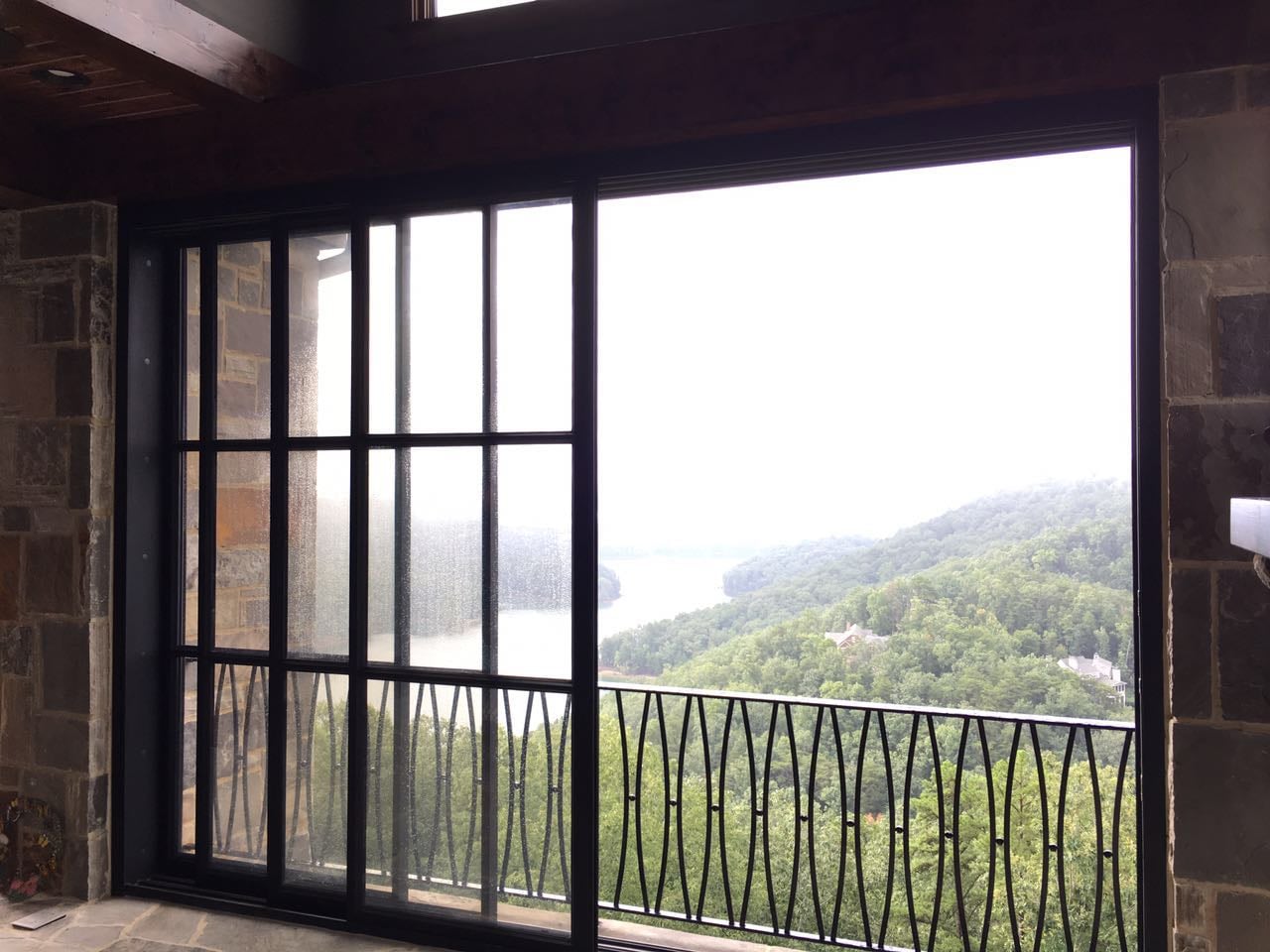
Premium architectural design depends on more than a striking door leaf. stainless steel door frames can give an opening a precise, composed edge while supporting durability and a consistent finish. The design benefit is strongest when the frame is treated as part of the architecture, not as a last-minute hardware decision. Commercial door frame installation should therefore be coordinated with the opening, wall finish, and door system from the outset.
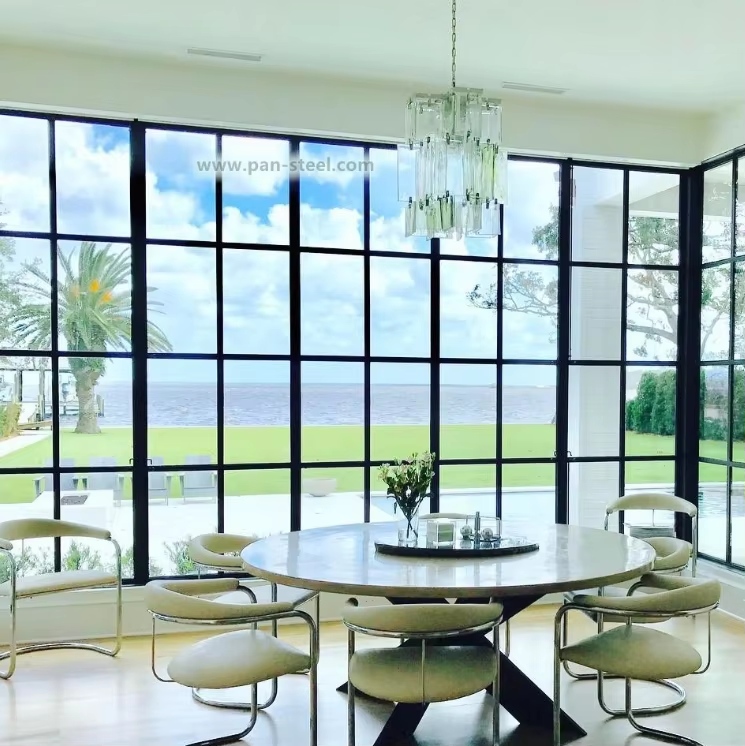
A refined result comes from aligning proportion, detailing, and material choice. Stainless steel door frame specifications help teams define dimensions, finish, and interface requirements before fabrication, while rust resistant door frame materials can be considered where moisture or frequent cleaning affects the opening. These decisions matter in hotels, offices, retail spaces, and other projects where doors contribute to the first impression as well as daily circulation.
Designing the Opening as an Architectural Feature
Creating a clean visual boundary
A frame outlines the transition between rooms, so its width, depth, and finish influence how the door reads against the surrounding wall. Stainless steel door frame specifications give the design team a basis for setting reveal sizes and aligning the frame with adjacent cladding. Commercial door frame installation can preserve that intended geometry when the opening is checked before work begins, rather than adjusted after finishes are complete.
Designers can use a restrained metallic finish to bring definition without adding a decorative layer that competes with the door. Rust resistant door frame materials may suit spaces exposed to humidity or regular cleaning, but the choice still needs to match the visual brief. Commercial door frame installation should account for how the frame meets the floor, wall panels, and threshold, since small inconsistencies become noticeable across a premium interior.
Coordinating frame, door, and finish
A premium opening is a coordinated assembly: frame, leaf, hinges, closer, seals, and surrounding finishes must work together. Stainless steel door frame specifications should identify compatible hardware positions and finish expectations, while rust resistant door frame materials help project teams assess suitability for the exposure conditions. Commercial door frame installation is more predictable when these requirements are reviewed together instead of assigned to separate trades without coordination.
Finish samples should be viewed beside the actual door surface and wall materials under representative lighting. That simple review helps avoid mismatched undertones or an overly bright contrast. Stainless steel door frame specifications can record the approved finish and visible dimensions; rust resistant door frame materials can also be assessed for maintenance demands. Including those choices in commercial door frame installation planning supports a deliberate, consistent appearance across repeated openings.
Turning Design Intent into Buildable Specifications
Defining dimensions and interfaces
A drawing should describe the opening clearly enough for fabricators and installers to understand the intended result. Stainless steel door frame specifications typically need to address frame profile, throat depth, wall construction, clear opening, and hardware preparation. Commercial door frame installation benefits from verified site measurements, especially where floors are not level or wall thickness varies. Rust resistant door frame materials should be specified with the expected environment in mind, rather than selected by appearance alone.
Coordination is particularly important where a frame meets stone, tile, glazing, or concealed wall systems. Those transitions can affect tolerances and the sequence of work. Commercial door frame installation should confirm which trade provides backing, anchors, and final sealant, while stainless steel door frame specifications document the relevant interface. Rust resistant door frame materials may be appropriate in demanding areas, but detailing still needs to prevent water traps and allow practical cleaning.
Balancing visual goals with operational needs
A design review should consider how the opening will be used, not only how it appears in a rendering. Traffic level, accessibility, privacy, fire or security requirements, and cleaning routines can affect the selected assembly. Stainless steel door frame specifications should reflect applicable project requirements, and commercial door frame installation must preserve clearances for the chosen hardware. Rust resistant door frame materials can support material selection in humid settings, but they do not replace appropriate detailing or maintenance planning.
The best specification connects a design decision to a verifiable site condition. Identify the finished floor elevation, wall build-up, hinge side, and required door movement before ordering. Commercial door frame installation teams can then resolve conflicts early, while stainless steel door frame specifications keep the approved profile and finish visible through submittals. Rust resistant door frame materials should be reviewed for both exposure and compatibility with adjoining components so the complete opening performs as intended.
Protecting the Finished Result During Installation
Sequencing work and checking fit
Even a well-designed frame can lose its visual precision if the opening is out of square or the installation sequence is unclear. Commercial door frame installation should begin with a check of dimensions, substrate, and floor condition, followed by careful positioning and anchoring. Stainless steel door frame specifications give installers a reference for alignment and visible reveals. Rust resistant door frame materials do not prevent damage from poor handling, so protective measures remain important during construction.
Before surrounding finishes close in, confirm plumb, level, squareness, and hardware clearances. These checks can reduce avoidable adjustments and help keep the door aligned with adjacent design lines. Commercial door frame installation should also protect exposed surfaces from abrasion and incompatible cleaners. Stainless steel door frame specifications can clarify finish care expectations, while rust resistant door frame materials should still be installed with suitable drainage and sealing details where the setting calls for them.
Maintaining consistency across the project
Multi-opening projects need a repeatable standard for alignment, finish, and inspection. A sample opening can help the team confirm the accepted appearance before the remaining frames are fitted. Stainless steel door frame specifications should be shared with the relevant trades, and commercial door frame installation should follow a consistent review process from opening to opening. Rust resistant door frame materials are most useful when the selected grade, finish, and exposure assumptions are understood by the people responsible for care.
After installation, inspect the frame in the context of the completed room rather than in isolation. Check that reveals look even, the door operates without binding, hardware sits correctly, and sealant lines are neat. Commercial door frame installation is not complete from a design perspective until the visible junctions have been reviewed. Stainless steel door frame specifications provide a useful closeout reference, while rust resistant door frame materials still benefit from routine cleaning suited to the finish.
FAQ
Can stainless steel frames complement different design styles?
Yes. Their finish and profile can be coordinated with contemporary, hospitality, and commercial interiors. The final effect depends on scale, surrounding materials, and detailing, so review samples and stainless steel door frame specifications alongside the complete opening design.
What should teams confirm before installation?
Confirm site dimensions, wall construction, floor levels, hardware preparation, and the finish schedule. Commercial door frame installation is easier to coordinate when responsibilities and tolerances are agreed before materials arrive and the opening is closed in.
Are rust resistant materials maintenance-free?
No material should be assumed maintenance-free. Rust resistant door frame materials can be suitable for relevant exposure conditions, but finish care, drainage, cleaning products, and installation details still influence long-term appearance and serviceability.