 EN

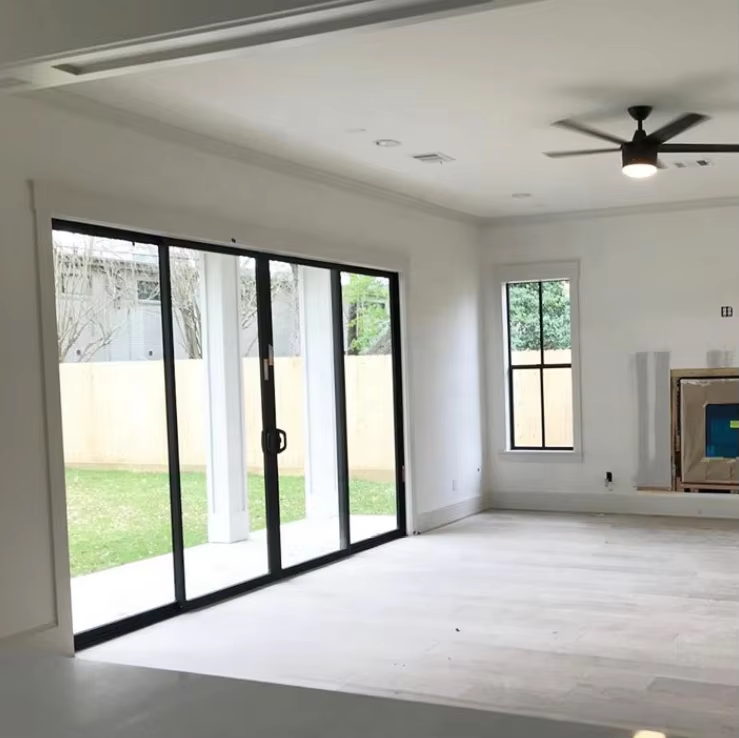
Steel window suppliers can support international building requirements by translating local code obligations into coordinated design, product documentation, and installation planning. Their value is not simply supplying a frame: they help project teams identify which performance evidence, dimensions, finishes, and delivery details must be confirmed before procurement. Early coordination can reduce ambiguity between the design brief and the requirements at the building site, including when teams evaluate commercial steel windows price and appoint steel window installation contractors.
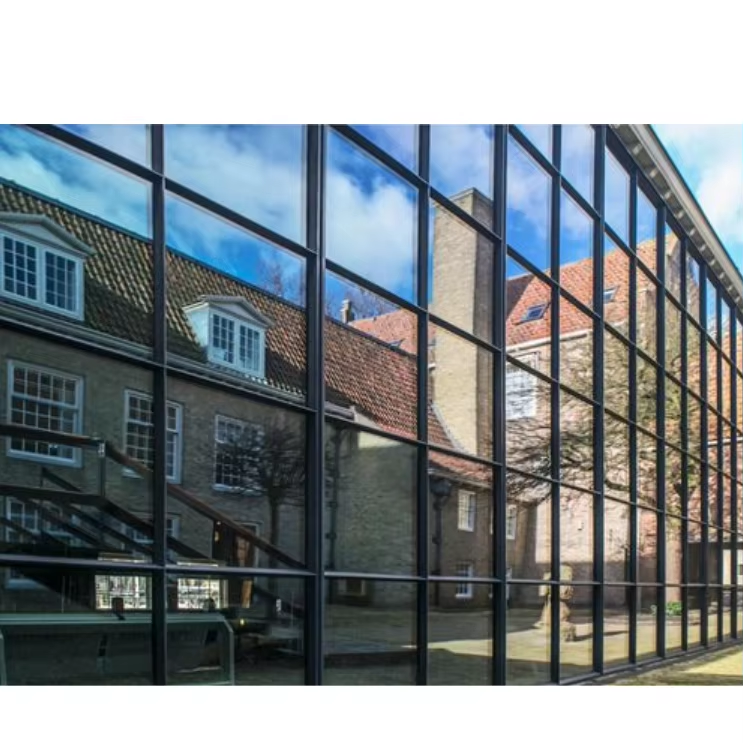
The exact obligations depend on the project location, building use, and adopted standards, so no supplier can assume one specification fits every market. A useful process begins with confirming the applicable code and authority review, then matching product evidence and site execution to that brief. Clear industrial steel window frames specifications and early input from steel window installation contractors help international teams manage differing terminology, approvals, and construction practices.
Translate local requirements into a coordinated brief
Confirm codes, use, and approval route
The first task is to define the project context: building occupancy, opening location, exposure, and the approval process used by the local authority. Steel window suppliers can ask the design team which standards govern safety, energy performance, weather resistance, fire interfaces, and accessibility, where relevant. That review gives industrial steel window frames specifications a clear basis and helps identify whether testing reports, certificates, drawings, or project-specific review are needed.
Requirements can differ even between projects in the same region because building use and installation conditions are not identical. A supplier should therefore distinguish confirmed code requirements from preferences or preliminary assumptions. Documenting that distinction helps the team assess commercial steel windows price against the actual scope, while steel window installation contractors can flag site constraints that affect details or sequencing.
Convert the brief into measurable specifications
Once the approval path is understood, the design brief should state measurable criteria rather than relying on broad descriptions such as high performance. Industrial steel window frames specifications may need to record opening sizes, frame profiles, glazing interfaces, hardware, finishes, and applicable performance evidence. Steel window installation contractors can review access, tolerances, and connection conditions, while steel window suppliers identify information that must be finalized before fabrication.
This translation stage is also where the project team checks that proposed details are compatible with local drawings and procurement documents. For example, a specification may require particular opening operation, visible sightlines, or a defined finish system, each of which can affect commercial steel windows price. Including these details in industrial steel window frames specifications reduces the risk of comparing proposals with different assumptions.
A practical brief should name the party responsible for each approval and record when evidence is due. Steel window suppliers can assemble product information against that schedule, but the design professional or local authority retains its own review role. Discussing the requirements with steel window installation contractors at this stage also helps expose constructability questions before they become late changes.
Prepare evidence and procurement for each market
Build a traceable product documentation package
International procurement depends on documentation that reviewers can understand and connect to the specified product. The package may include drawings, material descriptions, finish information, glazing details, test reports, and installation guidance, as requested by the project team or authority. Industrial steel window frames specifications should use consistent terminology across these records, and steel window suppliers can help identify missing or conflicting information before submission.
The team should verify that documents correspond to the exact configuration being proposed, rather than relying on evidence for a similar but different assembly. Changes to dimensions, glazing, hardware, or finish may affect what needs confirmation. Aligning this information supports a more meaningful commercial steel windows price review, and steel window installation contractors need current drawings to prepare their work plan.
Translation and measurement conventions deserve attention in cross-border projects. Teams should agree on units, terminology, revision control, and the language required for formal submissions. Steel window suppliers can coordinate these details with the project’s document process, while industrial steel window frames specifications provide a stable reference for technical review. This approach also helps steel window installation contractors work from approved, current instructions.
Compare scope, cost, and delivery assumptions
A commercial steel windows price is useful only when its scope is understood. The project should check whether it includes the specified frame configuration, glazing interfaces, finish, packaging, delivery, and required documentation, while noting exclusions and assumptions. Steel window suppliers can clarify these elements so procurement teams compare equivalent scope rather than headline figures alone.
Lead time planning should include design confirmation, approval review, fabrication release, transport, and site readiness. If industrial steel window frames specifications remain unsettled, production decisions may need to wait, so a realistic schedule should show those dependencies. Early coordination with steel window installation contractors can also align delivery sequence with access, storage capacity, and the order in which openings will be prepared.
Procurement teams should keep approved submittals and commercial assumptions linked to the same revision of the specification. This makes changes easier to assess and prevents a quoted commercial steel windows price from being treated as covering a later design variation without review. Steel window suppliers can record clarifications, while steel window installation contractors can identify whether a proposed change affects site labor or installation details.
Where multiple jurisdictions are involved, a shared compliance matrix can show which requirements apply to each project location and which evidence supports them. The matrix should not imply that one test automatically satisfies every authority. Instead, it helps the team ask focused questions, confirm local acceptance, and coordinate industrial steel window frames specifications with the relevant project reviewers.
Coordinate installation and close out compliance
Prepare site work around approved details
Product compliance alone does not ensure a compliant finished opening; handling, installation, and interface work matter too. Before delivery, steel window installation contractors should review approved drawings, anchorage details, opening tolerances, protection requirements, and the agreed sequence. Steel window suppliers can clarify product-specific guidance, but site conditions and approved project details must govern the actual work.
A pre-installation review is especially valuable when local construction methods differ from those assumed during design. The team can confirm who checks opening dimensions, who resolves discrepancies, and how revisions are recorded. This review connects industrial steel window frames specifications to field conditions and helps avoid informal adjustments that could undermine the intended performance or appearance.
During installation, clear inspection points provide evidence that the work follows the approved documents. Records may cover delivery condition, alignment, connections, operation, and completion of specified interfaces, as appropriate to the project. Steel window installation contractors should know which observations require sign-off, and steel window suppliers can respond to product questions without replacing the authority’s acceptance process.
Resolve deviations and retain project records
If site measurements or actual conditions differ from the drawings, pause to document the issue and obtain the required design or authority direction before making a change. Informal substitutions can complicate approval and warranty discussions. Steel window suppliers can help assess product-related options, while steel window installation contractors explain the site impact and the project team determines the acceptable resolution.
At closeout, collect the approved submittals, revisions, inspection records, care guidance, and any required product evidence in a format the owner can retain. Confirm that records identify the installed configuration and location. This final check gives the project a traceable compliance history and supports future maintenance without implying that documentation replaces ongoing inspection.
FAQ
What should be confirmed before requesting a commercial steel windows price?
Define location, intended use, sizes, finish, glazing interfaces, required evidence, delivery scope, and installation responsibilities. A complete brief helps steel window suppliers clarify assumptions, makes commercial steel windows price proposals more comparable, and gives steel window installation contractors enough context to identify site-related costs.
Who should verify industrial steel window frames specifications?
The project design team should establish and approve the requirements, with relevant authority review where applicable. Steel window suppliers can provide product information, and steel window installation contractors can assess constructability. The project team should confirm that industrial steel window frames specifications match the approved design and local obligations.
How can installation teams support international compliance?
Steel window installation contractors support compliance by working from current approved drawings, checking opening conditions, following documented installation guidance, and recording required inspections. They should raise deviations promptly. Coordination with steel window suppliers helps resolve product questions, while the designated project professionals confirm approval decisions and retain records.