 EN

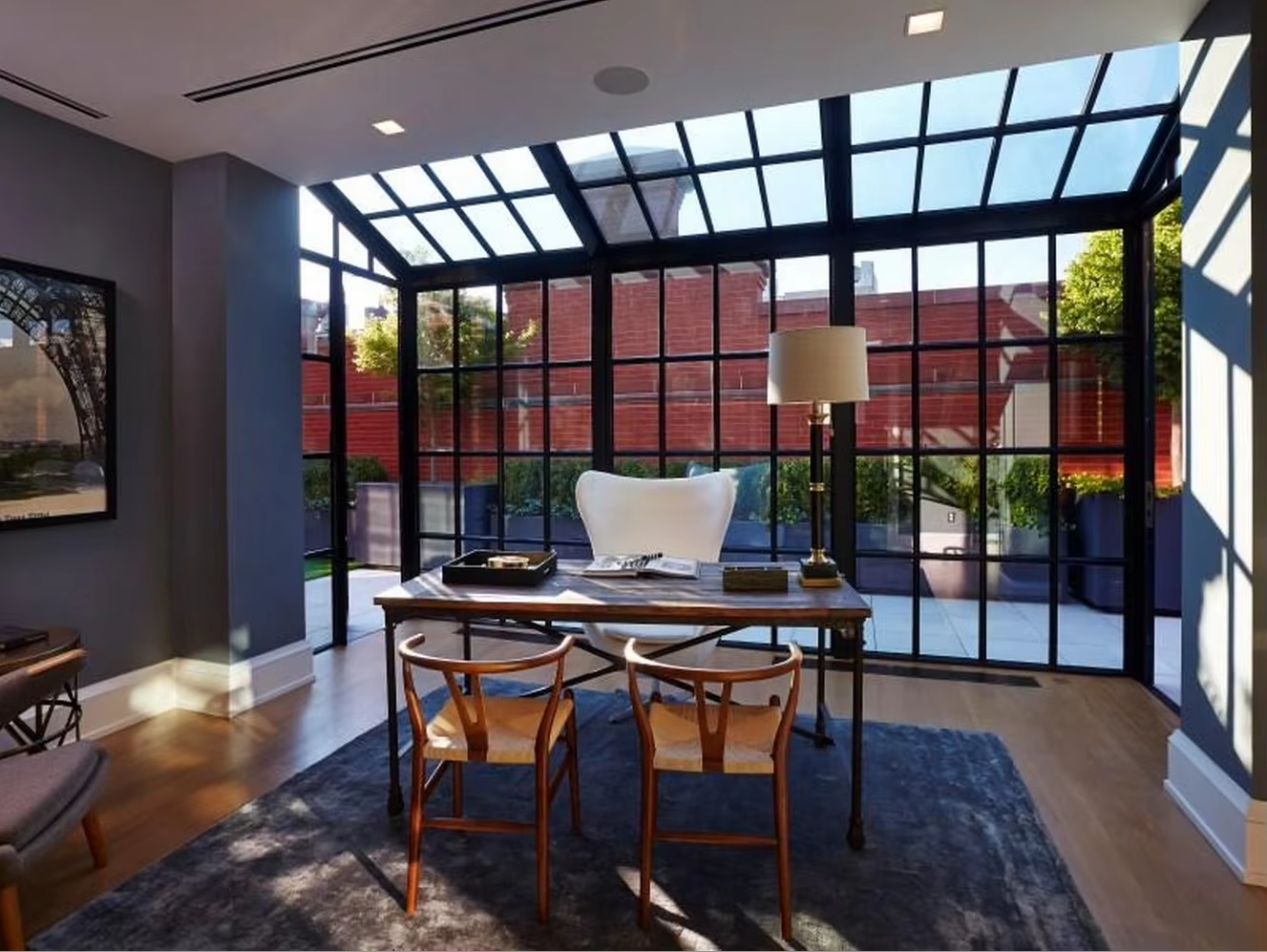
Large architectural construction projects depend on coordinated decisions long before windows arrive on site. Steel window suppliers can support that work by aligning design intent, technical requirements, production planning, and delivery with the wider construction schedule. Their role is not limited to providing commercial steel window frames or industrial steel casement windows; it also includes resolving interfaces and documenting requirements that help project teams move from concept to installation.
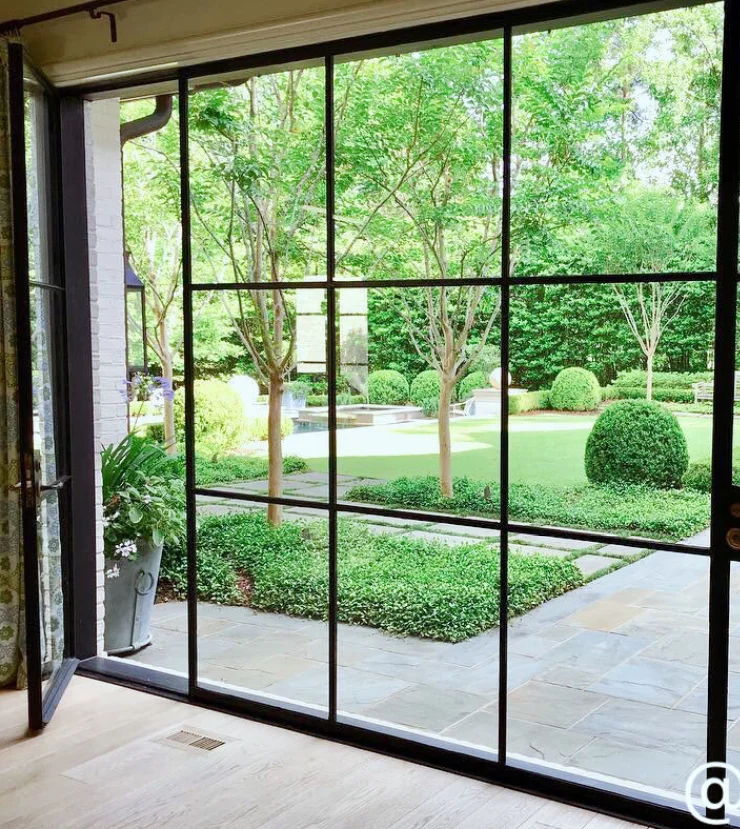
For a large project, early coordination can reduce uncertainty around openings, finishes, glazing, and sequencing. Teams should involve suppliers while drawings and specifications are still being developed, then keep decisions visible as packages progress. This is where clear steel window installation specifications, realistic procurement milestones, and a consistent review process turn a design requirement into a manageable work package.
Early coordination turns design intent into a buildable package
Resolve dimensions and interfaces before production
The first contribution is translating architectural intent into information that can be checked and manufactured. Suppliers review opening dimensions, frame profiles, glazing interfaces, hardware requirements, and finish expectations against project documents. Early review of commercial steel window frames helps identify mismatches between details, schedules, and site conditions before they become costly coordination issues. The same review can confirm whether industrial steel casement windows suit the opening geometry and intended operation.
This work is most useful when the project team shares coordinated drawings rather than isolated elevation sheets. A supplier can flag tolerances, adjoining cladding conditions, drainage paths, and access for installation, while the design team confirms which requirements govern. Reviewing commercial steel window frames alongside surrounding wall assemblies makes interface decisions easier to track. Clear steel window installation specifications also give consultants and contractors a common reference for dimensions, fixings, and acceptance criteria.
Coordinate approvals and technical submittals
Large projects often require formal submittals, samples, and approval cycles before fabrication can begin. Suppliers can organize the required product data, drawings, finish samples, and clarification responses so reviewers can assess the same coordinated package. For industrial steel casement windows, approval documents should describe operation, hardware, and interfaces in a way that matches the project schedule and architectural intent.
A disciplined review process keeps decisions from becoming scattered across emails and revised drawings. The team should record comments, identify who owns each response, and confirm which revision is approved for production. When commercial steel window frames are reviewed with related façade details, the package is less likely to leave unresolved connections for the site team. Steel window installation specifications should reflect approved details rather than assumptions from an early design stage.
Production planning supports predictable project delivery
Connect procurement milestones to the construction sequence
Window procurement affects façade closure, interior work, and follow-on trades, so project schedules need more than a single delivery date. Suppliers can help establish approval, measurement, fabrication, inspection, and shipping milestones, then show how each depends on earlier decisions. Planning commercial steel window frames in phases may suit projects with multiple elevations or building zones. For industrial steel casement windows, production sequencing should also reflect the agreed configuration and required hardware.
A useful schedule identifies information release dates and the point when openings are ready for verification. It also makes dependencies visible, such as final finish selection or confirmation of site dimensions. Linking steel window installation specifications to these milestones helps the contractor plan labor, access equipment, and receiving areas. Regular schedule reviews can expose a delay while there is still time to assess its effect on the installation sequence.
Manage consistency across repeated units
Large developments may include many similar openings, but repetition does not eliminate the need for control. Suppliers can organize window types, mark units by location, and document approved variations so the correct assemblies reach each area. Consistent commercial steel window frames depend on clearly defined profiles, finishes, and glazing interfaces. Industrial steel casement windows also need configuration records that distinguish handing, operation, and project-specific details.
Before dispatch, teams should agree how units will be protected, identified, and checked on receipt. Packaging and delivery plans need to reflect available storage space, site access, and the order in which openings are prepared. A shared delivery register helps the contractor compare arrivals with the installation plan. It also supports traceability when a question arises about a specific unit or approved revision.
Installation readiness depends on clear site information
Prepare openings and installation responsibilities
Even a well-coordinated product package can be delayed if openings are not ready or responsibilities are unclear. Before work begins, the project team should confirm opening dimensions, substrate condition, access, lifting arrangements, and the sequence for adjoining trades. Steel window installation specifications should define preparation, fixing approach, perimeter interface, and inspection points at a level suited to the project. These details let the site team identify readiness issues before units are moved into position.
Suppliers can clarify product-specific handling and installation information, while the contractor coordinates site safety, labor, and access. For commercial steel window frames, the project should confirm how installers will verify alignment and record completed work. Industrial steel casement windows also require attention to operation and hardware access after fitting. Bringing these checks into pre-installation discussions helps teams avoid treating installation as an isolated task.
Close out quality checks and project records
Installation quality is easier to assess when acceptance criteria are agreed in advance. Teams can document delivery condition, unit identification, fixing checks, operation, and any required interface inspections. Steel window installation specifications provide a basis for consistent inspection across floors and elevations, provided the approved version is available to the people doing the work. Clear records help distinguish a product issue from an opening or installation condition.
As work progresses, suppliers may help answer technical questions and clarify approved product details, but the project should route changes through its formal review process. Updated drawings and submittals should identify affected locations and revisions. This matters when commercial steel window frames or industrial steel casement windows are modified to suit a confirmed condition. A controlled closeout package can then include relevant approvals, inspection notes, and maintenance information for the building team.
FAQ
When should steel window suppliers join a large project?
Involve steel window suppliers during design development or early technical coordination, before dimensions and interfaces are fixed. Early input helps review commercial steel window frames and clarify what information is needed for approvals and procurement.
What information should teams confirm before ordering?
Confirm opening dimensions, configuration, finishes, glazing interfaces, hardware, and approval status. For industrial steel casement windows, verify operation and handing; then align the order with the project schedule and approved documents.
Why do installation documents matter on complex projects?
Clear steel window installation specifications give contractors and inspectors a shared reference for preparation, fixing, and quality checks. They reduce ambiguity across repeated work areas and help keep installation records tied to approved project requirements.