 EN

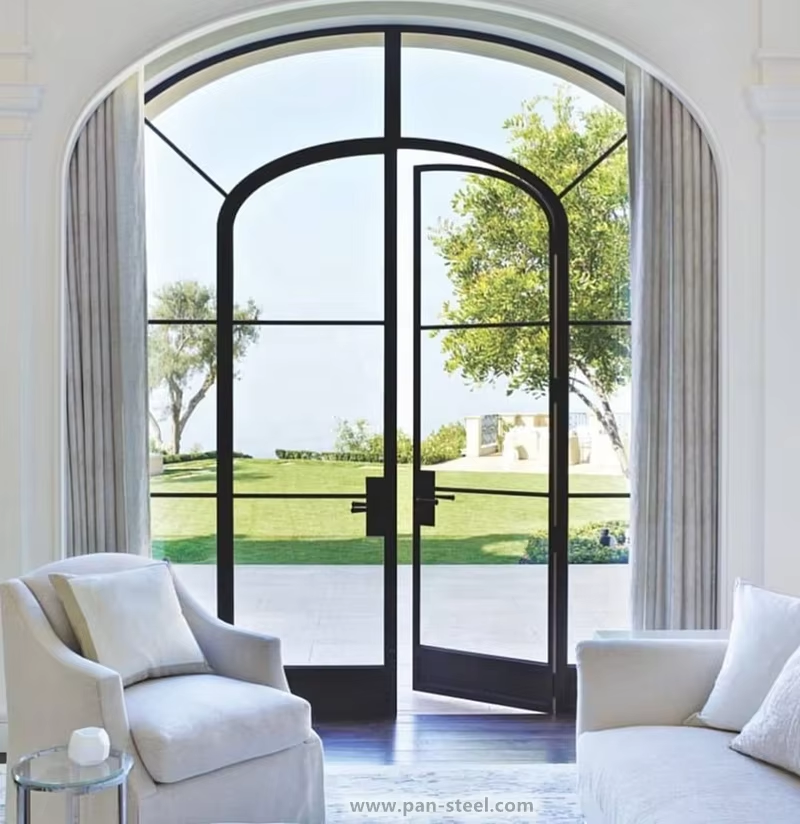
Maintaining quality across a large construction order means delivering consistent dimensions, finishes, hardware, and documented checks from the first shipment to the last. Factory steel windows support that consistency when production is controlled to approved drawings and project teams confirm requirements early. Reviewing industrial window frames cost alongside specification choices also helps buyers plan quantities without sacrificing essential quality controls.
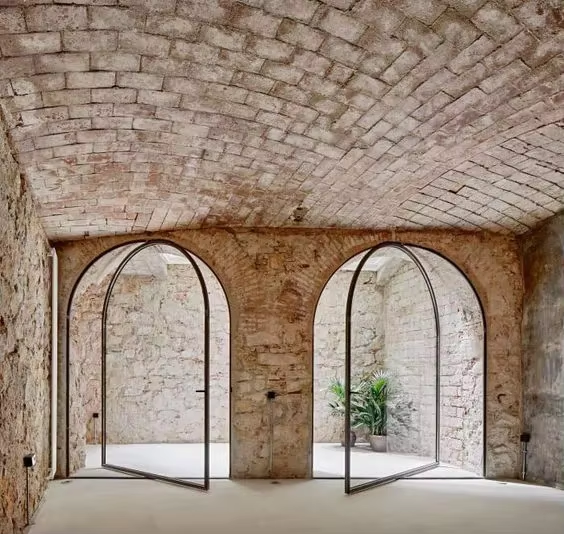
Bulk quality depends on a repeatable process, not simply on the material. Clear steel window installation requirements, coordinated schedules, and incoming inspections help prevent variations from becoming site-wide problems. At the same time, commercial building window durability depends on the chosen assembly, protective finish, glazing, and exposure conditions, so each must be specified consistently for the full order.
Establishing a controlled specification before production
Freeze the details that define each window
Start with coordinated drawings that identify opening sizes, profiles, glazing, handing, hardware, finish, and tolerances. When these details are stable, factory steel windows can be produced against one approved reference rather than assumptions carried between teams. This step also makes industrial window frames cost easier to assess because quotations and revisions relate to a defined scope.
Durability begins with an assembly matched to the building’s service conditions. Specify the frame finish, seals, glazing interfaces, and drainage details in relation to moisture, cleaning practices, and expected use. These choices shape commercial building window durability, while clear documentation ensures that the same intended construction is repeated through every production batch.
Translate project drawings into practical steel window installation requirements before manufacturing begins. Confirm opening preparation, fixing locations, interface dimensions, and any site tolerances with the construction team. A shared installation basis reduces the risk that a correctly made frame will need improvised adjustment, which can affect finish quality and disrupt planned installation sequences.
A controlled specification should also define acceptable substitutions and approval routes. If a finish, component, or dimension changes, record the revision and communicate it to production, procurement, and site staff. That discipline protects industrial window frames cost assumptions, maintains steel window installation requirements, and supports commercial building window durability by preventing unreviewed changes from entering the order.
Connect the specification to purchasing decisions
Evaluate industrial window frames cost as a complete project consideration rather than a unit price alone. Include the approved configuration, finish, glazing, packaging, inspection documentation, and delivery sequence in the comparison. This lets procurement discuss scope accurately and reduces pressure to make late changes that could weaken consistency across factory steel windows.
Using repeatable production and inspection controls
Keep batches aligned to approved samples
A first-article review creates a useful reference for the remaining units. Check representative dimensions, joints, finish appearance, hardware operation, and glazing interfaces against approved drawings and samples. Recording acceptance criteria makes the review reproducible, supports commercial building window durability, and helps each production batch follow steel window installation requirements established for the project.
Once production starts, batch identification and revision control matter as much as the initial approval. Marking units by building area or opening schedule helps teams trace any issue to a specific run. This traceability makes industrial window frames cost decisions more informed if rework is needed and prevents an isolated adjustment from being repeated across the order.
Inspection should focus on characteristics that affect fit, operation, and weather protection. Verify critical dimensions, surface condition, hardware function, and seal placement at defined stages rather than waiting until dispatch. These checks protect commercial building window durability and give the project team evidence that factory steel windows remain consistent with the accepted configuration.
Packaging and dispatch controls are part of quality, not an afterthought. Separate and label units by installation zone, protect finished surfaces, and keep hardware or accessories associated with the correct openings. Clear logistics reduce handling damage and support steel window installation requirements, while a planned sequence helps contractors install and inspect each delivery efficiently.
A practical quality record links the approved drawing revision, inspection results, batch identity, and dispatch details. When this information is available, teams can resolve questions without relying on memory or informal messages. It also helps manage industrial window frames cost by clarifying whether a concern stems from specification, production, transport, or site conditions.
Use feedback to correct issues across the order
When an inspection finds a mismatch, pause the affected batch, document the condition, and agree on a correction before work continues. Then check whether the cause could affect other units. This feedback loop helps preserve factory steel windows consistency, while supporting commercial building window durability through controlled rather than improvised repairs.
Apply the same corrective process to the installation interface. If site measurements reveal a recurring opening variation, confirm the facts with the design and construction teams before changing frame dimensions. Maintaining steel window installation requirements protects fit and fixing integrity, and prevents an unapproved adjustment from creating a new issue elsewhere.
For a project-specific review, compare the selected factory steel windows configuration with the opening schedule, finish expectations, and delivery plan. This keeps industrial window frames cost tied to actual scope and gives reviewers a clear basis for checking commercial building window durability before production quantities are released.
Coordinating delivery and installation across the project
Match delivery batches to site readiness
Large orders are easier to control when shipment timing follows site readiness and installation zones. Confirm access, storage protection, opening completion, and the crew’s sequence before releasing each batch. These planning checks align steel window installation requirements with actual conditions and reduce the chance that finished frames are stored or handled unnecessarily.
At receipt, compare labels and quantities with the opening schedule, then inspect packaging and visible surfaces before moving units into storage. Record damage or shortages promptly so responsibilities and next steps remain clear. Protecting commercial building window durability starts with handling that preserves coatings, seals, and components before installation begins.
Installation teams should use the approved method and confirm frame position, fixing, operation, and perimeter interfaces as work progresses. Avoid forcing a frame into an unsuitable opening or masking a fit problem with unapproved adjustments. Consistent checks against steel window installation requirements help factory steel windows perform as specified across different elevations and crews.
Cost control improves when procurement, production, and site teams share a current schedule and change record. If an opening is delayed or revised, identify the affected units before dispatch rather than allowing mixed revisions to arrive together. This makes industrial window frames cost easier to manage and reduces avoidable storage, return, or rework concerns.
After installation, close out the order with records of inspections, approved variations, and any maintenance guidance relevant to the selected assembly. Such records provide a useful baseline for future repairs and help owners understand the factors influencing commercial building window durability. They also make later project phases easier to coordinate when the same specification is repeated.
FAQ
How can buyers keep specifications consistent across a bulk order?
Use one approved drawing set, finish sample, and revision process, then connect inspections and labels to those references. Confirm steel window installation requirements before production so each batch follows the same scope. For factory steel windows, traceable approvals reduce confusion when quantities are divided across buildings or delivery dates.
What should a quality inspection check before dispatch?
Check critical dimensions, finish condition, hardware operation, glazing interfaces, seals, labels, and protective packaging against the approved criteria. Review results by batch and record any corrective action. These checks support commercial building window durability and help buyers evaluate industrial window frames cost in relation to the accepted project scope.
Why coordinate installation planning with manufacturing?
Installation planning identifies opening conditions, fixing interfaces, access, storage, and sequence before units reach the site. Coordinating those details with steel window installation requirements helps teams avoid rushed modifications. It also protects commercial building window durability and keeps industrial window frames cost aligned with the specified configuration throughout the order.