 EN

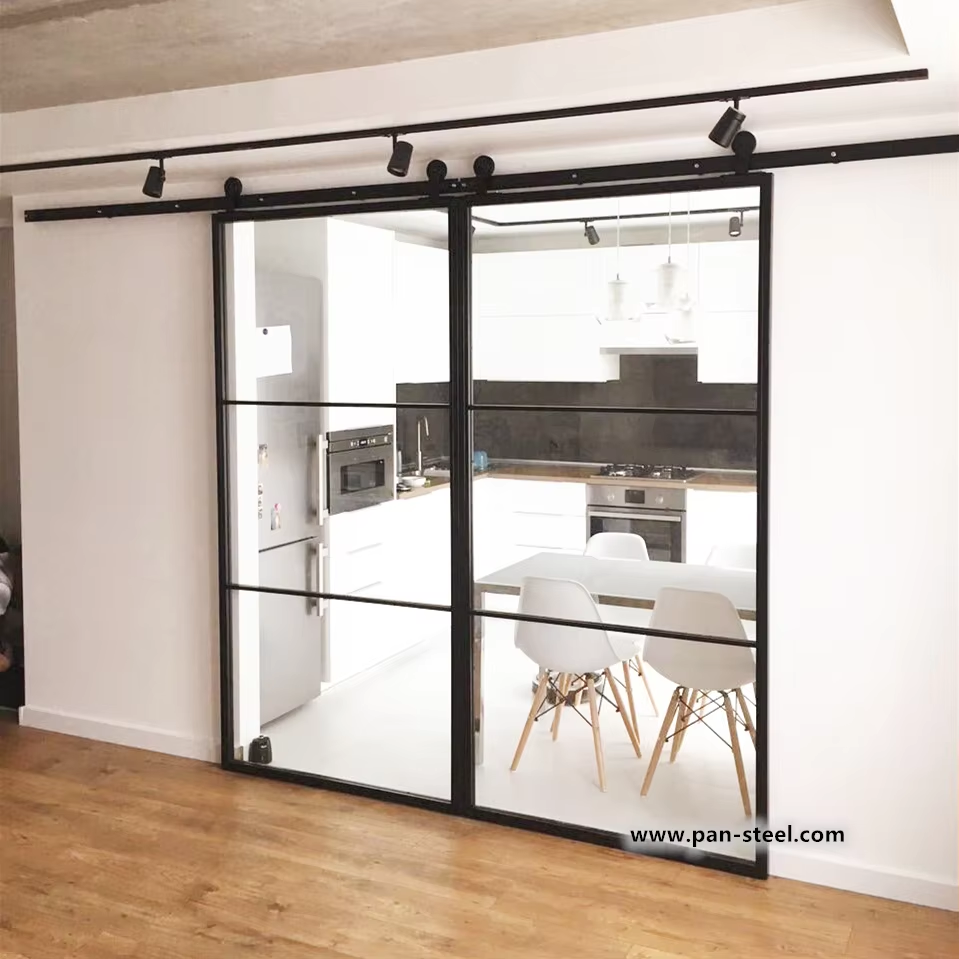
Long-term durability in a building depends on more than choosing a strong door. Stainless steel sliding doors can provide dependable service when their material, track, rollers, seals, and maintenance plan suit the opening and its environment. The same principle applies to frameless glass sliding door systems, commercial kitchen sliding door specifications, and weather-resistant sliding door hardware: components must work together rather than being selected in isolation. Understanding those relationships helps project teams reduce avoidable wear and plan for practical upkeep.
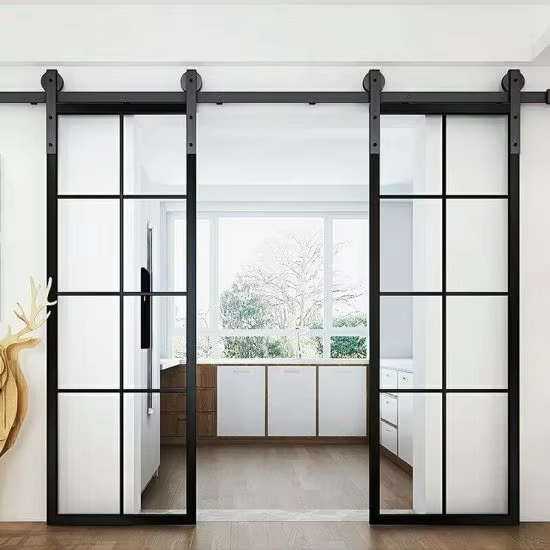
The main durability advantage comes from combining corrosion-conscious materials with a sliding mechanism that avoids the repeated swing clearance and hinge loads of a conventional door. A well-specified system still needs appropriate installation and inspection. Frameless glass sliding door systems, commercial kitchen sliding door specifications, and weather-resistant sliding door hardware each highlight different operating demands, from glass support and cleaning access to moisture exposure. Matching the system to those demands is what makes service life more predictable.
Material and system choices that limit wear
Choose materials for the actual exposure
Stainless steel is valued for its resistance to corrosion, but grade, finish, fabrication, and cleaning conditions all matter. Coastal air, cleaning chemicals, condensation, and airborne contaminants can affect components differently. For that reason, frameless glass sliding door systems should pair suitable fittings with the glass thickness and panel size, while commercial kitchen sliding door specifications should account for frequent washdown and contact with cleaning agents. Weather-resistant sliding door hardware also needs finishes and fasteners appropriate to its exposure. No material eliminates maintenance, so the project brief should define the environment before procurement.
Component compatibility is just as important as the visible frame. In frameless glass sliding door systems, clamps, guides, and rollers must support the specified panel without creating undue stress at the glass edge. Commercial kitchen sliding door specifications should identify compatible seals and corrosion-conscious fixings rather than treating the door leaf as the whole assembly. For exterior openings, weather-resistant sliding door hardware needs compatible tracks and fasteners so dissimilar materials do not introduce weak points. Clear schedules reduce substitutions that can compromise long-term performance.
Specify the complete sliding assembly
A sliding door lasts when its moving parts share the load and remain aligned. Track capacity, roller material, panel weight, stop position, and guide arrangement should be checked as one system. Frameless glass sliding door systems need stable support and controlled movement, especially where users open the panel repeatedly. Commercial kitchen sliding door specifications benefit from hardware that can tolerate routine cleaning and operating cycles. Weather-resistant sliding door hardware should include a suitable track arrangement and drainage considerations where water may collect. A specification that states only a frame material leaves important durability decisions unanswered.
Installation and operation protect service life
Keep tracks aligned and loads controlled
Even robust hardware can wear early if the opening is out of square or the track is poorly supported. Installers should verify substrate strength, level, plumb, fixing locations, clearances, and panel travel before final adjustment. Frameless glass sliding door systems depend on careful alignment to prevent binding and uneven loading at fittings. Commercial kitchen sliding door specifications should define clearances that accommodate the surrounding finishes and cleaning routines. Weather-resistant sliding door hardware also needs installation details that limit water traps. These checks help the panel move smoothly instead of forcing users to pull or push harder.
Operation patterns should inform both selection and commissioning. A door used continuously during a shift faces a different cycle load from one used occasionally in a meeting room. Frameless glass sliding door systems should be tested for stable movement, secure stops, and consistent guidance after installation. In a food-preparation area, commercial kitchen sliding door specifications can clarify how staff will access the opening without obstructing carts or work zones. Weather-resistant sliding door hardware requires adjustment that preserves smooth travel while allowing the assembly to perform in its exposure. A handover check can reveal drag, noise, or loose fixings before everyday use amplifies them.
Manage moisture, impact, and user habits
Durability also depends on how the opening is used. Slamming, forcing a panel past its stop, or hanging items from the handle transfers stress to rollers and fixings. Frameless glass sliding door systems should include operating guidance suited to their panel weight and hardware. Commercial kitchen sliding door specifications can address splash zones, cleaning methods, and access for routine sanitation. Weather-resistant sliding door hardware may require periodic checks for debris, standing water, or finish damage. Clear user instructions are a low-cost way to prevent misuse, while protective stops and suitable handles can help manage repeated contact.
Maintenance planning for dependable operation
Inspect moving and exposed components routinely
A simple inspection routine can catch early signs of wear without waiting for a failure. Staff should look for rough travel, unusual noise, loose fasteners, damaged seals, corrosion marks, and debris in the track. Frameless glass sliding door systems warrant checks of visible clamps and guides, with any glass damage referred to a qualified professional. Commercial kitchen sliding door specifications should make cleaning access and inspection responsibilities clear. For weather-resistant sliding door hardware, examine exposed finishes and drainage paths as well. Inspection frequency should reflect traffic, moisture, cleaning intensity, and the consequences of an unavailable opening.
Cleaning should follow material and hardware guidance rather than relying on harsh chemicals or abrasive tools. Remove grit from tracks before it scratches surfaces or obstructs rollers, then use compatible cleaners and dry areas where moisture tends to remain. Frameless glass sliding door systems need glass-safe care that avoids stressing fittings during cleaning. Commercial kitchen sliding door specifications should align cleaning procedures with hygiene needs and the hardware maker’s recommendations. Weather-resistant sliding door hardware benefits from removing salt, dirt, or residue before deposits accumulate. Record recurring issues so a maintenance team can distinguish a one-time obstruction from a developing alignment problem.
Plan repairs around the whole opening
When a component needs replacement, check the whole assembly rather than changing a roller or seal without confirming compatibility. A mismatched part can affect travel, alignment, and load distribution. Frameless glass sliding door systems should retain fittings suited to the panel and its installation. Commercial kitchen sliding door specifications can help maintenance teams identify suitable replacement materials and cleaning constraints. Weather-resistant sliding door hardware should be assessed for the same exposure and fixing conditions as the original system. Keeping product information, installation records, and inspection notes available makes repair decisions more consistent and helps avoid repeating the conditions that caused premature wear.
FAQ
What most often shortens sliding door service life?
Misalignment, dirt in the track, unsuitable cleaning products, and hardware selected for the wrong environment are common contributors. Frameless glass sliding door systems, commercial kitchen sliding door specifications, and weather-resistant sliding door hardware all need correct installation and care. Check whether the panel moves freely, fixings remain secure, and the maintenance routine matches actual use. Addressing small issues early can prevent extra force and wear across the assembly.
Are stainless steel components maintenance-free?
No. Stainless steel can resist corrosion, but surface deposits, aggressive chemicals, trapped moisture, and neglected moving parts can still cause problems. Frameless glass sliding door systems need checks of fittings and guides, while commercial kitchen sliding door specifications should account for regular cleaning. Weather-resistant sliding door hardware also benefits from removing contaminants and checking finishes. Follow product-specific care guidance and investigate any change in movement or appearance.
How should a project team specify a durable system?
Start with location, traffic, panel dimensions, cleaning conditions, and exposure to moisture or contaminants. Then define compatible tracks, rollers, guides, seals, fixings, and maintenance access. Frameless glass sliding door systems require suitable panel support; commercial kitchen sliding door specifications must reflect hygiene and washdown routines; weather-resistant sliding door hardware should suit exterior conditions. Documenting these needs helps align selection, installation, and future repairs.