 EN
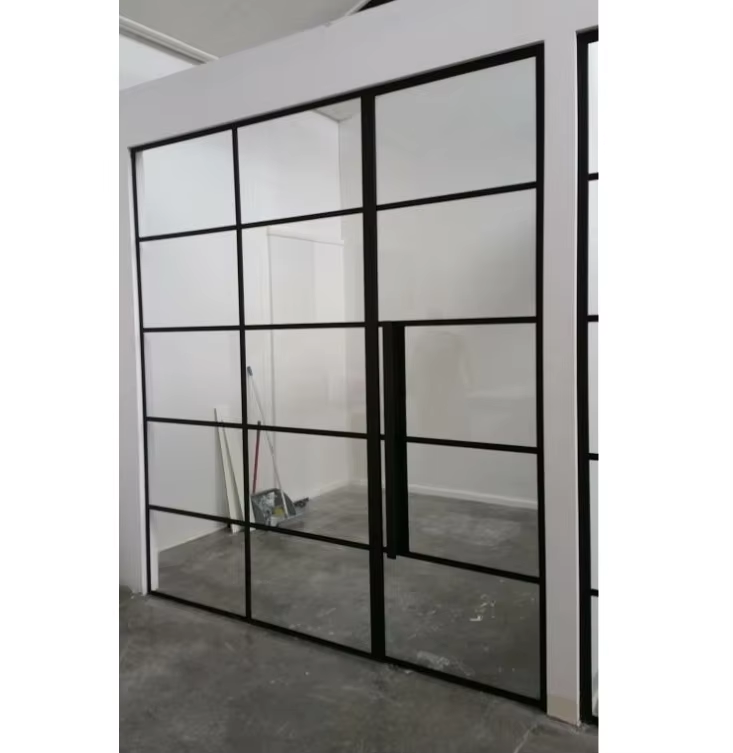
Steel window frames manufacturers maintain dimensional accuracy across orders by controlling the whole production system, not just checking a finished frame. They translate approved drawings into repeatable measurements, fixtures, cutting data, and inspection points. Clear commercial steel window frame specifications and a stable process help each batch match the agreed opening, profile, and connection details.
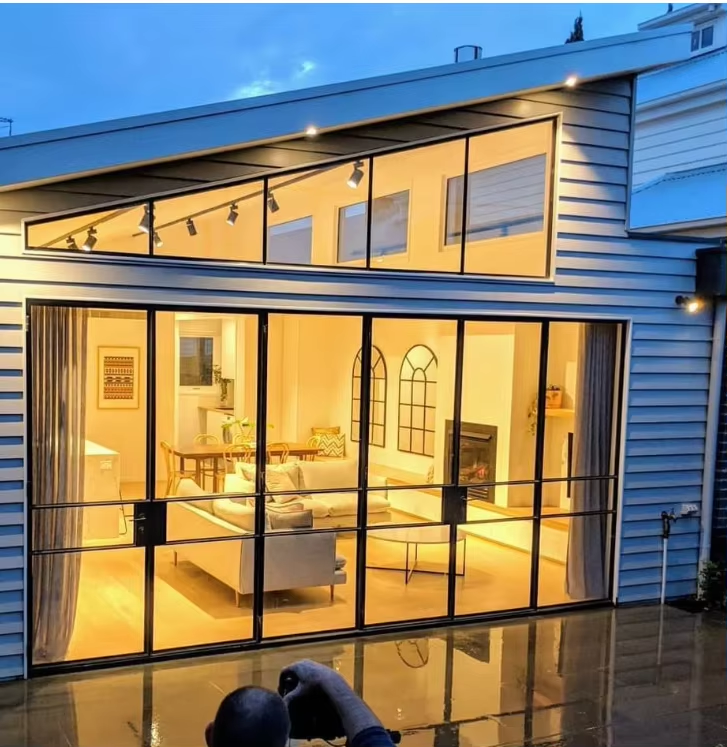
The practical answer is disciplined control at every handoff: design review, material preparation, fabrication, assembly, and final verification. For buyers, this matters because durable steel window frames for industrial buildings must fit prepared openings and coordinate with surrounding trades. Consistent custom steel window frame installation and maintenance planning also makes it easier to preserve fit after delivery, rather than discovering dimensional conflicts at the site.
Build a repeatable dimensional baseline
Translate drawings into controlled specifications
The baseline begins with a drawing review that resolves frame width, height, depth, squareness, tolerances, hardware locations, and interface conditions. Commercial steel window frame specifications should identify the measurement datum and whether dimensions refer to the outside frame, clear opening, or another reference. Durable steel window frames for industrial buildings depend on those decisions being unambiguous, while custom steel window frame installation and maintenance requirements clarify the conditions the finished unit must accommodate.
Before releasing a repeat order, the team compares the current drawings with the approved version and records any revision that changes a dimension or connection. This is where steel window frames manufacturers prevent an old cut file from quietly overriding a new requirement. Matching commercial steel window frame specifications to the latest project documents protects durable steel window frames for industrial buildings from avoidable rework, and keeps custom steel window frame installation and maintenance assumptions aligned with the actual opening.
Stabilize material and tooling references
Material thickness, straightness, and surface condition can affect how parts sit in a fixture and how much adjustment assembly needs. Incoming checks therefore connect the supplied profile to the tolerances in commercial steel window frame specifications. For durable steel window frames for industrial buildings, steel window frames manufacturers also maintain consistent tooling references, while custom steel window frame installation and maintenance plans account for the details that must remain accessible after finishing.
Fixtures establish a dependable reference for cutting, drilling, and joining, but they need routine verification for wear, looseness, or damage. A controlled setup sheet records the tooling position and the checks needed before production starts. This supports repeatable commercial steel window frame specifications and durable steel window frames for industrial buildings. It also helps custom steel window frame installation and maintenance teams receive units whose mounting points remain consistent from one order to the next.
Control fabrication and assembly variation
Use a consistent production sequence
A defined sequence reduces the chance that one operation introduces variation another operation cannot correct. Operators follow approved cutting lengths, joining methods, and assembly references, with checks at stages where dimensions can still be adjusted. Commercial steel window frame specifications make these checkpoints meaningful; durable steel window frames for industrial buildings require repeatable geometry, and custom steel window frame installation and maintenance depends on stable interfaces. Steel window frames manufacturers document the sequence so shifts can reproduce it.
Heat and clamping forces may change a frame’s geometry during joining, so the process should specify support points and the order of work. The team checks diagonals and relevant widths after assembly rather than assuming that accurate cut pieces automatically create a square unit. That approach supports commercial steel window frame specifications, protects durable steel window frames for industrial buildings, and gives custom steel window frame installation and maintenance crews more predictable dimensions at the opening.
Manage revisions and order-to-order differences
Repeat orders are not always identical: site measurements, hardware choices, or architectural revisions may change selected dimensions. A controlled order record separates standard details from project-specific changes and identifies which drawing governs production. This keeps commercial steel window frame specifications current for each batch. Durable steel window frames for industrial buildings can then retain consistent quality without forcing every project into one size, while custom steel window frame installation and maintenance stays tied to the approved configuration.
When an order changes, the production team checks the impact on cut lists, fixtures, assembly notes, and inspection criteria before work begins. Steel window frames manufacturers can use a first-unit review to confirm that the revised setup produces the intended geometry. Comparing that unit with commercial steel window frame specifications helps protect durable steel window frames for industrial buildings, and ensures custom steel window frame installation and maintenance instructions reflect the revised details rather than a previous order.
Verify dimensions and close the feedback loop
Inspect at useful control points
Inspection is most useful when it catches drift early. Checks can cover incoming profiles, cut components, assembled frames, and finished units, with instruments suited to the dimension and tolerance being verified. Commercial steel window frame specifications define acceptance criteria; durable steel window frames for industrial buildings need verified fit and geometry. Custom steel window frame installation and maintenance information helps prioritize interfaces that affect anchoring, sealing, and later service access.
Measurement records should identify the unit, drawing revision, inspection stage, and result, so a discrepancy can be traced to a process step instead of treated as an isolated defect. Where dimensions approach a tolerance limit, the team can review the setup before more units are made. This supports commercial steel window frame specifications, helps steel window frames manufacturers maintain durable steel window frames for industrial buildings, and gives custom steel window frame installation and maintenance teams reliable handover information.
Use field feedback to improve the next order
Installation feedback completes the control loop. If crews report a difficult fit, the review should distinguish an opening that differs from the survey, a drawing interpretation issue, and a frame dimension that drifted during production. Documenting that cause improves commercial steel window frame specifications for later work. It also informs durable steel window frames for industrial buildings and refines custom steel window frame installation and maintenance guidance without changing dimensions without approval.
For buyers, useful order documentation includes approved drawings, revision history, agreed tolerances, inspection results, and notes on site interfaces. A conversation before release can establish who verifies openings and how changes are authorized. Steel window frames manufacturers can then connect production checks with project realities. That coordination keeps commercial steel window frame specifications practical, supports durable steel window frames for industrial buildings, and makes custom steel window frame installation and maintenance more predictable across successive orders.
FAQ
Which dimensions should buyers confirm before repeat production?
Confirm the reference points for overall width, height, depth, diagonals, and hardware positions, along with tolerances and drawing revision. Commercial steel window frame specifications should clearly define those measures. This is especially important for durable steel window frames for industrial buildings, where opening conditions and interfaces matter. Include custom steel window frame installation and maintenance requirements so the approved dimensions suit site coordination.
How do manufacturers catch dimensional drift?
They combine setup checks, in-process measurement, final inspection, and traceable records. Comparing results with the approved drawing helps steel window frames manufacturers identify whether variation arose from material, tooling, joining, or a revision. Commercial steel window frame specifications guide acceptance, while durable steel window frames for industrial buildings and custom steel window frame installation and maintenance needs help focus checks on critical fit points.
What information helps a frame fit correctly on site?
Provide verified opening measurements, interface details, mounting requirements, and a current approved drawing before production. Clear commercial steel window frame specifications reduce assumptions; durable steel window frames for industrial buildings then arrive with dimensions checked against agreed criteria. Coordinate custom steel window frame installation and maintenance details early, and pass installation feedback back into the next order review.