 EN


Frame thickness is a critical factor that directly determines the durability and longevity of a sliding steel window in industrial and commercial environments. When engineers and facility managers evaluate window systems, they often overlook the relationship between frame material depth and structural integrity. Understanding how frame thickness influences performance can help you make informed decisions about window installation and maintenance that protect your investment for decades. A sliding steel window with adequate frame thickness resists warping, thermal stress, and environmental degradation more effectively than thinner alternatives.
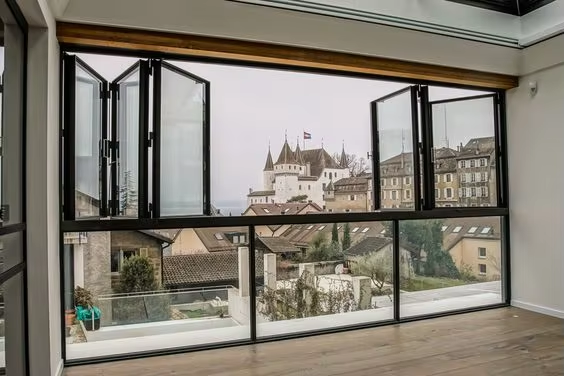
The durability of industrial steel window systems depends on multiple interconnected factors, but frame thickness stands out as a foundational design parameter. Thicker frames provide superior load-bearing capacity, better thermal regulation, and improved resistance to physical stress. In commercial steel window weatherproofing applications, frame depth influences how effectively the window seals against moisture infiltration and how well it handles pressure differentials. Buildings exposed to extreme weather, high winds, or significant temperature fluctuations benefit tremendously from the enhanced structural stability that thicker frames deliver.
Frame Thickness and Structural Load Performance
How Thicker Frames Resist Deformation
When a sliding steel window operates under repeated stress cycles, the frame experiences thousands of micro-movements and pressure variations over its lifetime. Thicker frame material provides greater resistance to bending and deformation during these operational cycles. A frame with insufficient thickness allows gradual deflection, which compromises seals, misaligns tracks, and accelerates wear on moving components. Over time, this degradation becomes visible as drafts, rattle, and operational difficulty. Thicker frames maintain geometric stability across wider temperature ranges and prevent the cumulative deformation that leads to premature failure. Industrial applications particularly benefit because these windows operate continuously under challenging environmental pressures that thinner alternatives simply cannot withstand reliably.
Load-Bearing Capacity and Pressure Differentials
Commercial steel window weatherproofing requires frames capable of handling significant pressure differentials between interior and exterior environments. Tall buildings experience wind loads that create substantial inward and outward pressure on window systems. Frames with greater thickness distribute these loads more effectively across the structural components, preventing localized stress concentration that causes cracking or permanent deformation. The industrial sliding window system design accounts for this by specifying frame thicknesses that match the anticipated environmental loads for the building's location and height. When frames are undersized relative to expected loads, even minor damage can cascade into system failure, making thickness specification a critical safety consideration.
Thermal Stress and Material Durability
Thermal Cycling and Material Fatigue
Steel expands and contracts continuously in response to temperature changes, and this thermal cycling creates internal stresses that compound over years and decades. Thicker frame material accommodates these dimensional changes more gracefully because the larger mass distributes thermal stress across a broader cross-section. Thinner frames experience concentrated thermal stress in localized areas, leading to micro-fractures and material fatigue. A sliding steel window with substantial frame thickness maintains structural integrity through thousands of heating and cooling cycles that would degrade thinner alternatives. Facilities in regions with extreme seasonal temperature swings gain exceptional durability benefits from frames designed with appropriate thickness for their climate zone.
Corrosion Resistance and Material Reserve
Even with protective coatings and proper maintenance, steel surfaces experience gradual corrosion in harsh industrial environments. Thicker frames provide additional material reserve that allows the window to remain functional and secure even as surface corrosion progresses. If corrosion penetrates the protective coating, thicker frames lose structural capacity more gradually than thin-walled alternatives. Steel window frame installation specifications typically account for anticipated corrosion rates by recommending frame thicknesses that preserve minimum structural capacity even after decades of environmental exposure. This design philosophy ensures that steel windows maintain durability and weatherproofing performance throughout their intended service life, even in coastal or chemically aggressive environments where corrosion rates are elevated.
Operational Reliability and Long-Term Performance
Track Alignment and Smooth Operation
The tracks and guides that allow a sliding steel window to operate smoothly depend on precise geometric alignment maintained by rigid frame structures. Thicker frames resist the subtle deformations that cause track misalignment and binding. When frames flex excessively from wind loads or thermal stress, the tracks that guide window sashes gradually drift out of alignment. This operational degradation manifests as resistance, jamming, and ultimately window failure. Industrial applications require continuous reliable operation, making frame thickness a practical durability factor that directly impacts productivity. Commercial steel window weatherproofing applications benefit because thicker frames preserve the seal integrity that depends on perfect sash positioning and movement throughout the window's operational life.
Seal Integrity and Environmental Protection
Weather seals in a sliding steel window system maintain their effectiveness only when frame geometry remains stable. If frames flex or warp under thermal or wind stress, seal compression changes, allowing moisture infiltration. Thicker, more rigid frames maintain consistent seal compression through normal operating conditions and environmental stress cycles. The industrial sliding window system design integrates frame thickness directly into weatherproofing strategy because structural rigidity is fundamental to seal performance. Over a 30 or 40-year service life, frame thickness becomes the difference between maintaining consistent environmental protection or experiencing gradual seal degradation that permits water intrusion, condensation, and interior damage.
FAQ
What frame thickness should I specify for a high-rise commercial building?
Frame thickness requirements depend on the building height, exposure to wind, and regional climate conditions. Taller buildings experience higher wind loads that necessitate thicker frames to manage pressure differentials safely. Most building codes and window manufacturers specify minimum frame thicknesses based on these factors. Working with structural engineers and experienced window suppliers ensures your steel window frame installation meets all load requirements and durability standards for your specific application and location.
Does thicker frame material always cost more?
Thicker frames do require more material and typically increase initial purchase costs compared to thin-walled alternatives. However, the long-term value proposition often favors thicker designs because they reduce maintenance requirements, extend service life, and avoid costly replacement or repair downtime. When evaluating commercial steel window weatherproofing options, comparing lifetime costs rather than initial purchase price provides clearer decision-making perspective. Buildings with superior frame thickness often deliver lower total cost of ownership across their operational lifetime.
How can I assess if an existing sliding steel window has adequate frame thickness?
Visual inspection alone cannot determine internal frame thickness, but you can examine the window's operational performance, structural rigidity, and any visible warping or deformation. Windows that operate smoothly, seal effectively against drafts, and show no visible stress cracks typically have adequate frame thickness. If you experience premature seal failure, misalignment, or visible frame deformation, these may indicate undersized frame material. Professional assessment by window specialists or structural engineers can evaluate your industrial sliding window system and recommend upgrades if durability is compromised.