 EN

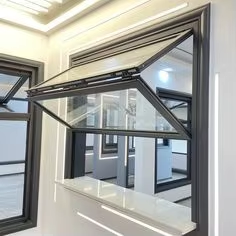
Evaluating hardware durability for stainless steel folding doors means looking beyond the finish and asking how every moving part will perform in the intended environment. Buyers should assess the frame, hinges, rollers, track, locking hardware, and installation conditions as a connected system. A bifold door installation guide can help clarify how hardware choices affect daily operation, but the right evaluation begins with project demands: opening size, use frequency, exposure, and maintenance capacity.
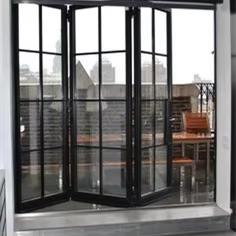
The goal is not to find a single component described as heavy duty; it is to confirm that the complete assembly suits the building and its users. For projects integrating commercial glass partition systems, the door must also coordinate with adjacent panels, finishes, and access requirements. Well-chosen space-saving interior door solutions can improve circulation, but only when the hardware supports reliable movement and secure closure over time.
Match hardware durability to actual use
Establish operating demands before comparing components
Start by recording how often the opening will be used, who will operate it, and whether it will remain open for long periods. A hotel meeting room, office suite, and private villa may all use stainless steel folding doors, yet their traffic patterns and handling differ. A bifold door installation guide is useful when it explains load paths, panel alignment, and operating clearances rather than treating installation as a cosmetic finishing step.
Ask for the rated capacity of the hinge, roller, and track assembly, then compare it with the door configuration and expected loading. Individual component ratings do not automatically establish the capacity of the full assembly. When assessing commercial glass partition systems, include panel weight, the number of leaves, and the way loads transfer into the supporting structure. These details help determine whether space-saving interior door solutions are practical for the intended opening.
Inspect the full movement and closure system
Examine hinge construction, pivot points, fasteners, track geometry, and any guides that control the leaves. Ask how stainless steel folding doors are adjusted if panels begin to sag or rub, and whether replacement parts can be accessed without dismantling surrounding finishes. A useful bifold door installation guide should also identify tolerances and alignment checks. Durability depends on a system that can be installed accurately and corrected when ordinary wear appears.
Verify materials, finish, and environmental fit
Check material suitability and corrosion exposure
The words stainless steel do not alone establish suitability for every location. Ask which steel grade is used for exposed hardware, what finish is applied, and whether the supplier defines care requirements for the project environment. Moisture, cleaning chemicals, airborne contaminants, and frequent hand contact can affect surfaces differently. For stainless steel folding doors near kitchens, pools, or exterior openings, clarify the exposure conditions before approving the specification.
Finish selection should account for both appearance and upkeep. Request sample pieces or documented finish details, then confirm whether routine cleaning can be done with products already approved for the site. In commercial glass partition systems, visible hardware often sits beside glass and other finishes, so mismatched aging may become noticeable. Space-saving interior door solutions should be selected with a realistic maintenance plan, not just a showroom sample in mind.
Review the hardware-to-door interface
Confirm that hinge leaves, brackets, and fasteners are compatible with the panel construction and frame. The bifold door installation guide should specify attachment points and the substrate needed to resist repeated movement. If the wall or header cannot support the expected loads, stronger hardware alone will not solve the problem. Ask how stainless steel folding doors transfer their weight and operating forces into the surrounding structure.
Check whether the track is protected from debris and whether drainage or cleaning access matters in the selected location. For commercial glass partition systems, coordination between framing, glazing, and door hardware should be resolved before fabrication. This reduces the risk of field modifications that compromise alignment. A space-saving interior door solution is durable only when its components, supports, and clearances are designed to work together.
Assess installation, serviceability, and lifecycle needs
Make installation quality verifiable
Request installation drawings that show opening dimensions, track support, panel clearances, and fixing locations. A bifold door installation guide should explain how installers check level, plumb, and alignment, as well as how they test smooth travel and closure. For stainless steel folding doors, these checks matter because small installation errors can create uneven loads, noise, or binding that may be mistaken for a hardware defect.
Agree on acceptance checks before work begins. The completed assembly should move through its full travel without excessive force, maintain consistent gaps, and engage its locking or latching hardware as intended. If the doors connect to commercial glass partition systems, inspect the transitions and confirm that movement does not interfere with adjacent panels. These practical checks make a space-saving interior door solution easier to hand over and maintain.
Plan for adjustment and ongoing maintenance
Ask what routine inspection involves, which parts may need adjustment, and how service technicians can reach them. A clear bifold door installation guide should include operating checks and care instructions suited to the installed hardware. Buyers of stainless steel folding doors should also confirm whether hinges, rollers, seals, or guides are replaceable individually. Serviceability can reduce disruption when a component eventually wears or is damaged.
Finally, consider the cost and practical impact of upkeep across the expected service period, without assuming that a higher initial specification eliminates maintenance. Commercial glass partition systems may require coordinated access for cleaning and hardware adjustment, especially in busy interiors. Documenting responsibilities helps building teams maintain space-saving interior door solutions consistently. Compare proposals using the same opening details, usage assumptions, finish requirements, and service expectations so the durability decision rests on equivalent evidence.
FAQ
Which hardware details should buyers request?
Request component capacities, material and finish information, adjustment instructions, and installation requirements. A bifold door installation guide should make these points clear. For stainless steel folding doors, also ask how the hardware is supported and serviced as part of the complete assembly.
How does installation affect long-term durability?
Incorrect support or alignment can increase friction and uneven loading, even when components are appropriately specified. Confirm installation checks for commercial glass partition systems and door assemblies, including travel, clearances, and closure. A documented bifold door installation guide supports a consistent handover.
Can folding doors suit high-use commercial spaces?
They can, when the selected configuration matches traffic, panel weight, environment, and maintenance resources. Evaluate stainless steel folding doors against those conditions rather than relying on appearance alone. Space-saving interior door solutions for busy areas also need accessible service points and clearly assigned inspection responsibilities.