 EN
EN

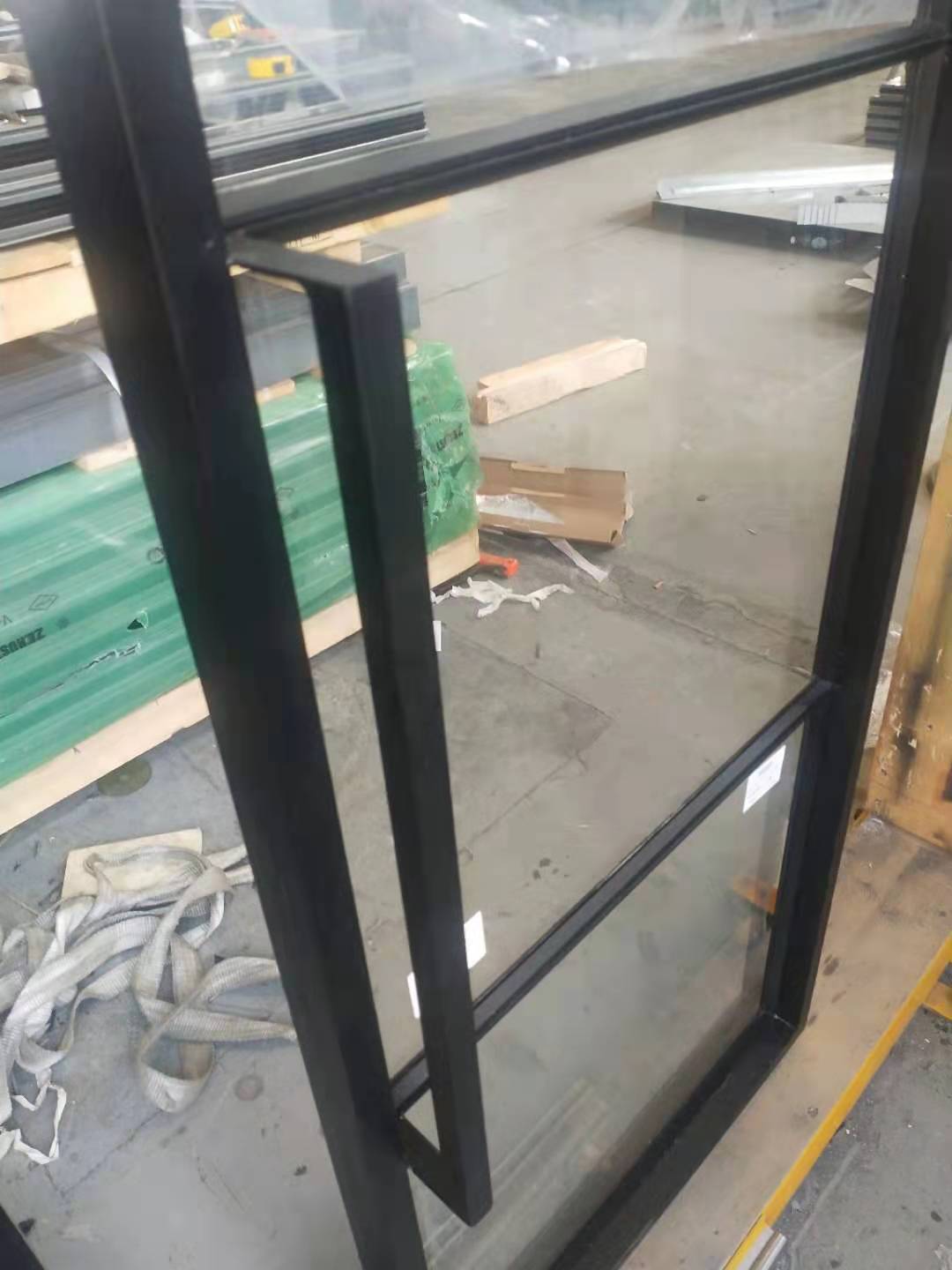
Selecting the right steel doors and windows is one of the most critical decisions in any commercial or residential building project. These structural elements protect your investment, enhance energy efficiency, improve security, and define the aesthetic character of your property. Whether you are renovating an existing structure or constructing a new facility, understanding how to choose steel doors and windows ensures you make informed decisions that balance performance, cost, and long-term value. The process involves evaluating material quality, design standards, environmental conditions, and specific project requirements.
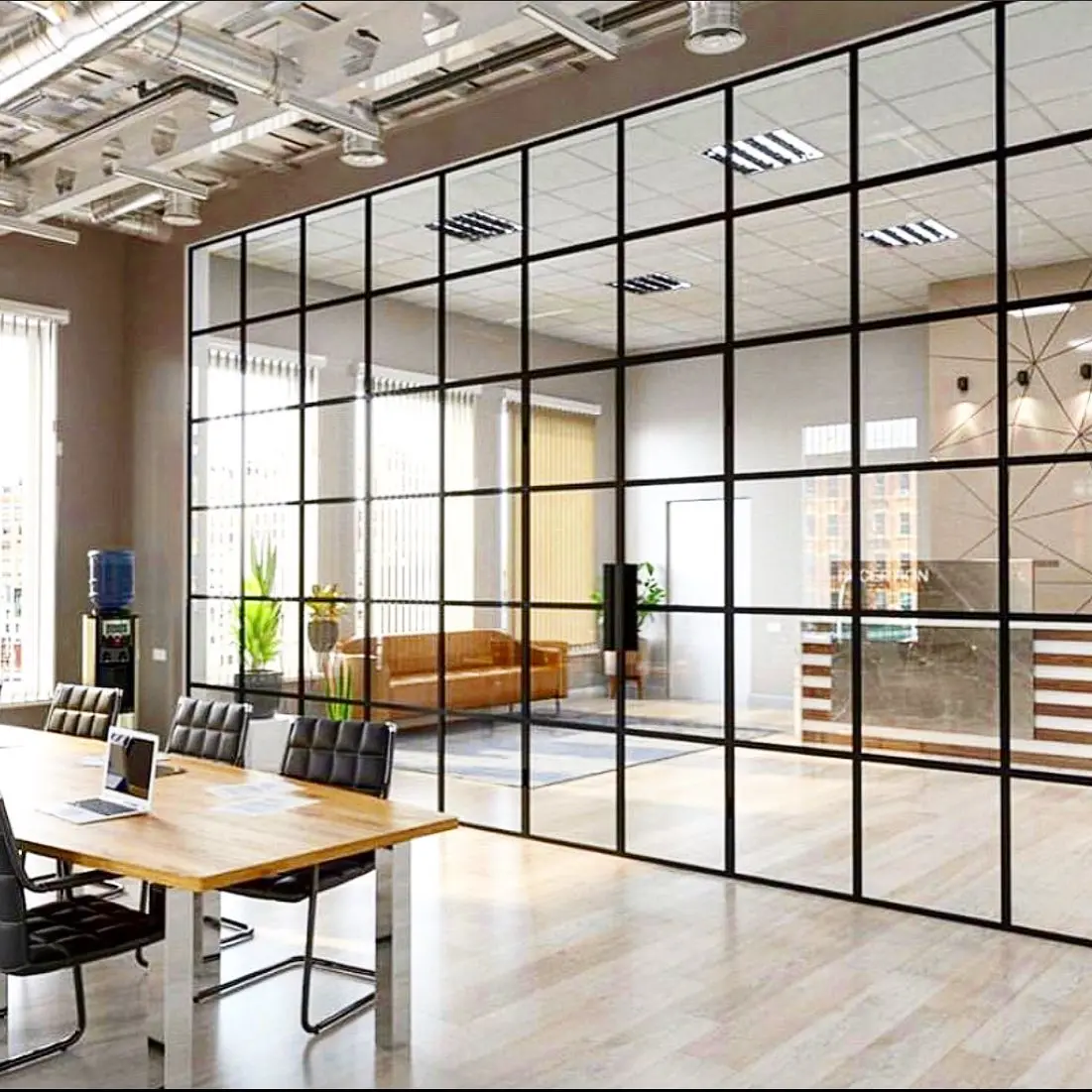
The complexity of selecting steel doors and windows extends beyond basic functionality. Modern commercial and residential projects demand solutions that meet building codes, resist environmental stresses, support thermal comfort, and integrate seamlessly with architectural designs. Property owners, architects, and contractors must evaluate multiple factors simultaneously, including material specifications, frame construction, glazing options, weatherproofing systems, and installation requirements. This comprehensive guide walks you through the essential criteria and practical considerations that distinguish high-performing steel doors and windows from inferior alternatives.
Understanding Material Quality and Construction Standards
Steel Grade and Structural Integrity
The foundation of superior steel doors and windows lies in material composition and structural design. High-quality steel doors and windows are fabricated from steel grades specifically engineered for architectural applications, offering superior strength-to-weight ratios compared to aluminum or vinyl alternatives. Steel's inherent rigidity allows manufacturers to create thinner frame profiles while maintaining structural integrity, maximizing glass area and improving visibility. When evaluating steel doors and windows, verify that the steel meets international standards such as ASTM A36 or equivalent specifications. The frame thickness, weld quality, and corner reinforcement directly impact the longevity and performance of your steel doors and windows.
Surface Treatment and Corrosion Protection
Corrosion resistance is paramount for steel doors and windows exposed to moisture, salt air, or humidity-prone environments. Premium steel doors and windows incorporate multi-layer protective systems including hot-dip galvanization, epoxy powder coating, or specialized paint finishes. For coastal or industrial projects, specify steel doors and windows with enhanced corrosion-resistant coatings such as polyester, polyurethane, or fluoropolymer systems. The coating thickness, measured in microns, directly correlates with corrosion resistance longevity. Commercial steel doors and windows in demanding environments should feature coatings of 70 microns or greater for durability. Inadequate surface treatment is a primary cause of premature failure in steel doors and windows, making this selection criterion non-negotiable.
Thermal Performance and Energy Efficiency
Insulation and Thermal Breaks
Modern steel doors and windows must deliver superior thermal performance to meet building energy codes and occupant comfort standards. Traditional steel doors and windows suffered from thermal bridging—heat transfer directly through the steel frame. Contemporary steel doors and windows incorporate thermal break technology using polyurethane or polyamide insulation materials between the interior and exterior steel frame components. This innovation dramatically reduces heat transfer, improving U-values and reducing heating and cooling loads. When selecting steel doors and windows, review the thermal break specifications, typically measured in millimeters, with thicker breaks providing superior insulation. Verify that your specified steel doors and windows meet the thermal performance requirements mandated by local building codes for your climate zone.
Glazing Selection and Glass Performance
The glazing system represents a critical component of overall steel doors and windows performance. Insulated glass units (IGU) with low-emissivity coatings, argon gas fills, and spacer bar design significantly enhance the thermal properties of steel doors and windows. For commercial and residential projects, dual-pane glazing with low-E coatings provides optimal balance between solar heat gain reduction and visible light transmission. Triple-glazed steel doors and windows offer maximum thermal resistance for high-performance applications in cold climates. When specifying steel doors and windows, consider solar heat gain coefficient (SHGC), U-value, visible transmittance (VT), and sound attenuation ratings to ensure the glazing strategy aligns with your project's climate, orientation, and occupant requirements.
Security Features and Weatherproofing Systems
Security Hardware and Locking Mechanisms
Security is a primary consideration when choosing steel doors and windows for residential and commercial applications. Steel's inherent strength provides a superior security foundation compared to softer materials, but hardware specifications are equally critical. High-performance steel doors and windows feature multi-point locking systems with shoot bolts, deadbolts, and security hinges that distribute stress across the frame rather than concentrating force on a single latch point. For commercial installations, specify steel doors and windows with hardware rated for the intended security classification, such as test results from certified third-party laboratories. Architectural steel doors and windows in high-security applications may incorporate reinforced frames, laminated glass, and specialized locking mechanisms designed to resist forced entry. Evaluate hardware durability by reviewing corrosion resistance ratings and mechanical cycle test results.
Air Sealing and Water Management
Steel doors and windows must prevent air infiltration and water intrusion to maintain indoor comfort and protect building assemblies from moisture damage. Superior steel doors and windows incorporate multiple sealing strategies including compression seals, gaskets, and sealant backup systems that work in concert to create continuous weatherproof barriers. When evaluating steel doors and windows, verify that the weatherproofing design meets ASTM air leakage standards (typically less than 0.3 cubic feet per minute per square foot at 75 pascals). Water resistance testing to ASTM E330 standards ensures that steel doors and windows resist wind-driven rain penetration. Proper installation practices are equally important as product design—the best steel doors and windows will fail if installed without proper flashing, sealants, and detailing. Specify installation requirements and conduct quality inspections to verify field performance.
Design Flexibility and Aesthetic Integration
Contemporary steel doors and windows offer architectural flexibility that complements modern and traditional designs alike. Steel's strength permits slender sightlines and expansive glass areas that enhance natural lighting and visual connection to outdoor spaces. The ability to create custom shapes, mullion patterns, and finish options means steel doors and windows can be tailored to specific design visions whether contemporary minimalist or historically sensitive restoration projects. Finish options for steel doors and windows range from powder-coated colors to anodized metallics, allowing aesthetic integration with building facades. Consider the maintenance implications of your finish selection, as textured or matte finishes on steel doors and windows may require different cleaning protocols than glossy finishes.
Selecting steel doors and windows that balance performance, durability, security, and design ensures your project delivers long-term value and user satisfaction. By prioritizing material quality, thermal performance, weatherproofing integrity, and professional installation, property owners and designers can confidently specify steel doors and windows that perform reliably across decades of use. The investment in premium steel doors and windows pays dividends through reduced energy costs, enhanced security, minimal maintenance, and lasting aesthetic appeal.
FAQ
What is the typical lifespan of high-quality steel doors and windows?
Premium steel doors and windows with proper maintenance typically last 50 to 80 years or longer. The longevity depends on surface coating quality, environmental exposure, installation practices, and maintenance frequency. Coastal or chemically aggressive environments may reduce the lifespan unless steel doors and windows feature enhanced corrosion-resistant coatings. Regular maintenance including cleaning, resealing, and hardware inspection extends the performance life of steel doors and windows significantly.
How do steel doors and windows compare to aluminum alternatives in terms of cost?
Steel doors and windows typically cost 15 to 30 percent more than aluminum alternatives upfront, but deliver superior thermal performance, strength, and longevity that justify the initial investment. The total cost of ownership for steel doors and windows is often lower than aluminum because of reduced replacement frequency, lower energy consumption, and minimal maintenance requirements. For commercial applications and residential projects prioritizing performance and durability, the long-term value proposition of steel doors and windows is compelling.
Can steel doors and windows be installed in existing residential and commercial buildings?
Yes, steel doors and windows can be retrofit into existing structures, but installation requires careful coordination with existing wall assemblies, insulation systems, and building code compliance. Replacement of existing steel doors and windows or installation in renovation projects demands professional assessment of rough opening dimensions, structural adequacy, and sealing compatibility with existing conditions. Proper flashing, waterproofing, and sealant integration ensure that new steel doors and windows perform as designed in retrofit applications.