 EN

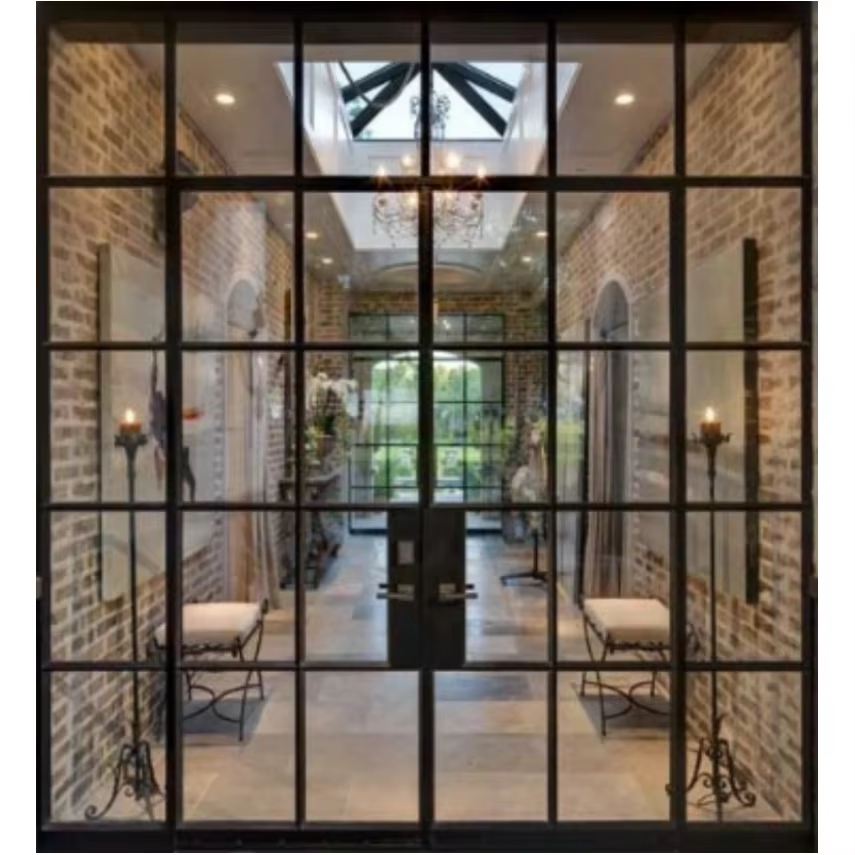
Choosing glazing for steel glazed doors means balancing safety, visibility, privacy, energy needs, and the conditions at the opening. The right glass is not simply the thickest or clearest option; it must suit the door’s location, frame, hardware, and applicable building requirements. Buyers can make a stronger specification by reviewing each factor together.
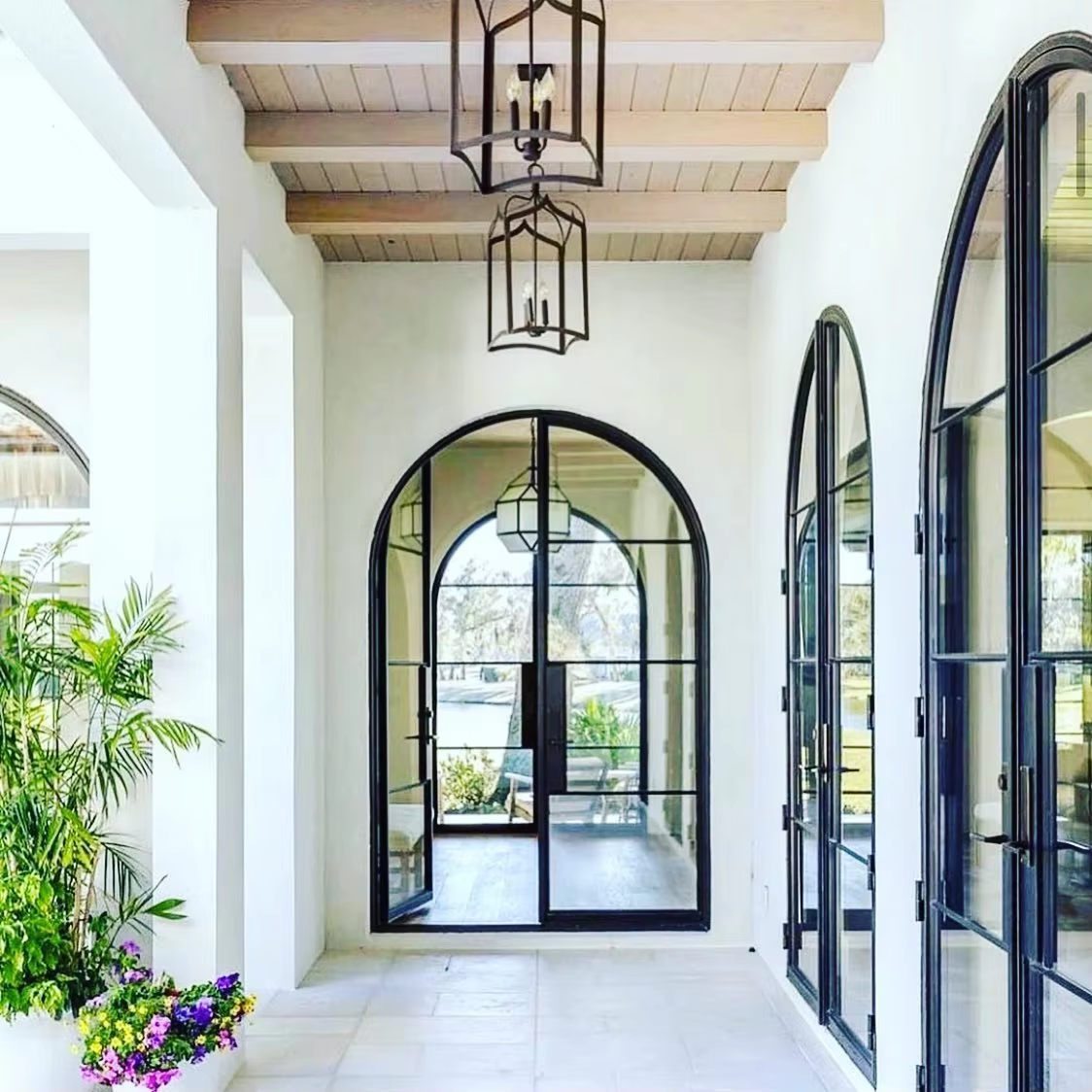
Start by defining what the door needs to do: admit daylight, separate spaces, control access, or withstand frequent use. Then compare glass types and documented performance against those needs. Well-matched commercial glass door frames, clear tempered glass door specifications, and suitable security rated glazed entrances help turn a design preference into a workable procurement decision.
Match the glass to the door’s purpose
Set priorities before choosing a glass type
For an interior office partition, visibility and a light, open appearance may lead the brief. An exterior entrance may require attention to weather exposure, thermal comfort, and impact risk. In either case, commercial glass door frames should be considered alongside the glazing, because the frame system affects the supported glass size, edge protection, and overall fit.
Ask building users what they need to see through the door, and whether sightlines should be limited in meeting rooms, treatment spaces, or staff-only areas. Clear glass supports visibility, while patterned, frosted, or applied treatments can reduce direct views. Record these requirements when reviewing commercial glass door frames so design intent is not lost during ordering.
The intended application also informs tempered glass door specifications. A door in a busy circulation route faces different everyday contact risks from a lightly used internal room, and exterior exposure introduces further considerations. Confirm the required glass construction and safety classification with the project professional, rather than assuming that one specification works in every opening.
Understand safety glass choices
Tempered glass is heat-treated to increase strength compared with ordinary annealed glass and is designed to break into smaller pieces if it fails. Laminated glass holds fragments together through an interlayer after breakage. These characteristics can influence the appropriate selection, but neither description alone confirms compliance for a particular installation.
Review tempered glass door specifications for glass type, thickness, treatment, dimensions, and any required markings or standards. The specification should match the complete door assembly and local code requirements. Ask for supporting documentation that identifies the proposed glass, rather than relying on a general description such as safety glazing.
Balance comfort, visibility, and security
Consider privacy and thermal performance
Where daylight is welcome but direct views are not, choose a privacy approach that fits the space and maintenance plan. Obscure glass can provide a permanent visual screen, while films or blinds may offer more flexibility. Ensure the chosen treatment is compatible with the door design and does not obscure required safety markings.
For exterior applications, low-emissivity coatings or insulated glazing may be relevant, depending on the building’s climate, energy objectives, and door construction. Confirm how the proposed glass affects visible light, solar gain, and thermal transfer. Commercial glass door frames must also suit the glass build-up and maintain the intended weather and thermal interfaces.
Use tempered glass door specifications to check whether coated or insulating glass is actually included, and clarify which glass surface carries any coating. Ask how the assembly is intended to perform at the door perimeter, where frame, seals, and installation quality matter. This avoids comparing a stated coating with an entire door system as if they were equivalent.
Define the level of security required
Security requirements should be based on the threat and function of the opening, not on appearance alone. A glazed lobby entrance, controlled staff entry, and internal office door may call for different levels of resistance. Security rated glazed entrances require attention to the tested assembly, including glass, frame, fixings, locks, and installation conditions.
Ask what test or rating supports a security claim, and whether it applies to the complete door set or only a glazing component. Changes to glass thickness, frame details, or hardware can affect tested performance. Make sure the requested security rated glazed entrances correspond to the project’s risk assessment and accepted standards.
Where a project requires forced-entry resistance, ordinary tempered glass may not provide the needed protection by itself. Laminated or specialist glazing may be considered, but the complete system must be verified for the specified level. Coordinate the security rated glazed entrances with access control and escape requirements so added protection does not compromise safe operation.
Verify the specification before ordering
Coordinate glass, frame, and hardware details
A reliable purchase specification describes the opening and the assembled door, not just the glass. Confirm clear opening dimensions, handing, glazing dimensions, frame finish, hardware, and installation conditions. Commercial glass door frames should be checked for compatibility with the selected glass thickness and the intended duty of the door.
Request drawings or schedules that show the glass make-up and its location within the frame. Confirm whether glazing beads, gaskets, and setting blocks are included in the proposed system. These details help the project team review commercial glass door frames accurately and identify conflicts before fabrication or site work begins.
Check that tempered glass door specifications identify the glass construction precisely, including any laminated layers, coatings, or decorative treatment. Verify dimensions, tolerances, and relevant compliance documentation with the responsible project parties. If substitutions are proposed, compare the revised information against the original performance requirements before approving a change.
Use a clear procurement review
Before sign-off, bring the architect, door supplier, installer, and building representative into the same review where possible. Resolve questions about sightlines, privacy, safety, security, and energy objectives in the door schedule. This shared review helps prevent separate decisions from producing an assembly that does not meet the opening’s intended use.
For higher-risk openings, request evidence for the complete assembly and confirm that installation follows the tested configuration. Security rated glazed entrances should not be specified through a glass label alone. Record approved hardware, frame details, and installation assumptions so later changes can be assessed consistently.
A final review should also confirm cleaning access, replacement needs, and how damage will be reported. Those operational details matter in schools, healthcare settings, offices, and other buildings with frequent door use. When the brief is complete, steel glazed doors can be selected on a defined set of needs rather than a vague preference for a particular appearance.
FAQ
Is tempered glass always the best choice for a steel door?
No. The best option depends on the location, safety rules, and required performance. Compare tempered glass door specifications with the project conditions, and confirm whether laminated or another approved construction is needed.
Do commercial glass door frames affect glass selection?
Yes. Frame capacity, glazing details, dimensions, and seals influence which glass build-up can be accommodated. Confirm compatibility between commercial glass door frames and the selected glass before approving the assembly.
What should buyers request for a security-focused entrance?
Request evidence for the specified complete door assembly, including glass, frame, fixings, and hardware. Verify that security rated glazed entrances meet the project’s required standard and installation conditions.