 EN


Importers evaluating steel frame glass doors need to check more than appearance and dimensions. The right standards depend on where the doors will be installed, how they will be used, and whether they form part of commercial glass partition systems. Establishing compliance requirements early also helps clarify steel frame door installation cost by preventing avoidable redesign, testing, or documentation gaps.
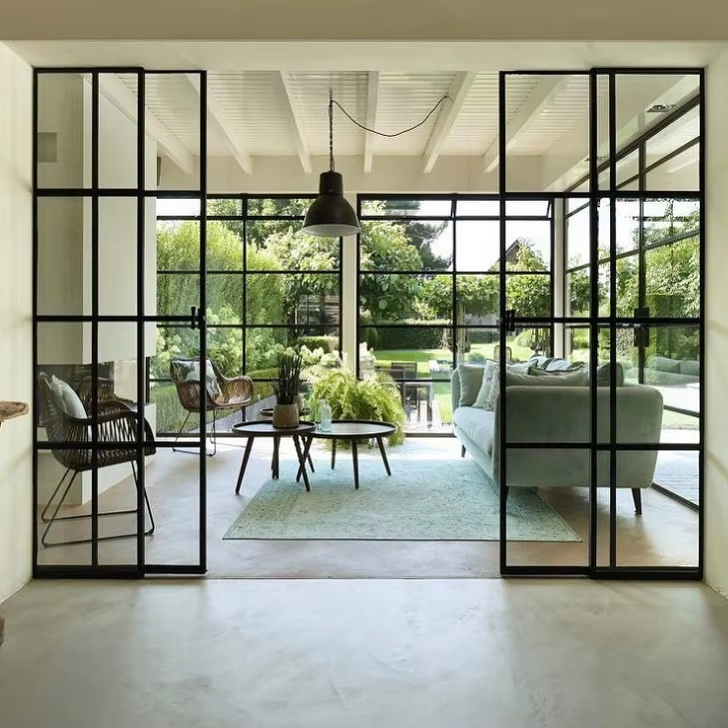
A practical review covers safety glazing, frame and hardware performance, fire or accessibility requirements where applicable, and evidence that matches the supplied configuration. Assess tempered glass door frames durability in the intended environment, not as an isolated product claim. The checks below help buyers decide what to request, what to verify, and when a standard applies.
Identify the Standards That Apply to the Project
Start with location, use, and risk
First establish the destination market, building type, door location, and expected traffic. Requirements for an interior office entrance can differ from those for an exterior opening, a public corridor, or a rated compartment. For commercial glass partition systems, confirm whether the door is assessed as part of the complete partition assembly or as a separate doorset.
Ask the project specifier or local code professional to identify mandatory national and local rules before approving production. Standards such as ANSI Z97.1 or 16 CFR Part 1201 may be relevant to safety glazing in the United States; EN 12150 addresses thermally toughened soda lime silicate safety glass in European contexts. Applicability depends on the market and use.
Do not assume that a glass certificate covers the steel frame, hinges, lock, or finished door assembly. Confirm the specified glass type, thickness, edge treatment, and marking, then check that the test evidence describes the supplied product. This distinction matters when reviewing tempered glass door frames durability, because glass impact resistance does not establish frame corrosion or hardware life.
For commercial glass partition systems, clarify whether the opening must meet acoustic, smoke-control, or fire-resistance criteria. A fire-rated opening may require a tested doorset, compatible seals, and approved hardware rather than ordinary glass and steel components. Ask for the applicable classification and test scope, and avoid treating a component certificate as proof of full assembly compliance.
Match performance evidence to the exact configuration
Compare drawings and schedules against the product under review, including frame profile, glass make-up, maximum dimensions, handing, and hardware. A test report for a different size or hinge arrangement may not support the ordered configuration. When specifying commercial glass partition systems, request written confirmation of permitted variations and any limits on field modification.
Review tempering, impact, and applicable safety-glazing evidence alongside finish and corrosion details. Tempered glass door frames durability depends on the full combination of materials, coatings, drainage, maintenance, and exposure; ask how the declared performance applies to the project conditions. Include the exact glass and frame build in the specification to reduce interpretation gaps.
Verify Documents, Quality Controls, and Cost Inputs
Request traceable technical documentation
A complete submittal should identify the product, revision, tested configuration, standards, test laboratory, and date. Request drawings, glass specifications, hardware schedules, installation instructions, and inspection records. For steel frame door installation cost, use the same configuration and scope when comparing quotations, including delivery, site preparation, glazing, access equipment, and any required inspections.
Check whether certificates are valid for the destination market and whether reports are issued by a competent laboratory. Verify that model names, dimensions, glass thickness, and frame details correspond to the purchase documents. A quality-management certificate can indicate process controls, but it is not a substitute for product-specific test evidence or regulatory approval.
Ask how production batches are identified and how glass, steel sections, finishes, and hardware are inspected before dispatch. These controls support traceability if damage or a nonconformity appears after delivery. Buyers of commercial glass partition systems should also clarify packaging, handling instructions, and responsibility for checking goods on arrival.
Use a written scope to assess steel frame door installation cost rather than relying on a unit price alone. Confirm whether the quotation includes frames, glazing, seals, locks, threshold details, freight, unloading, and installation labor. Site tolerances, wall construction, floor levels, and coordination with adjacent partitions can change the work required.
Assess installation and whole-project implications
Before release, compare the installation method with the opening details and local practice. Confirm fixing points, substrate requirements, shimming allowances, sealant compatibility, and the sequence for setting glass and adjusting hardware. A clear method statement helps control steel frame door installation cost and reduces the risk of site changes caused by missing preparation.
For commercial glass partition systems, check interfaces between the door frame, adjoining panels, ceiling, and floor. Confirm movement allowances and perimeter sealing, especially where partitions meet different materials. Drawings should show the finished opening and hardware clearances so the installer can coordinate adjacent trades without cutting or altering tested components.
Confirm Durability, Safety, and Acceptance Criteria
Evaluate materials against the service environment
Specify the exposure the door will face, including indoor humidity, cleaning chemicals, coastal air, temperature changes, and expected traffic. Request details of steel grade, coating system, surface preparation, and maintenance needs. Tempered glass door frames durability is better judged from documented materials and environmental suitability than from broad assurances without defined conditions.
Inspect how glass is retained and protected from direct contact with steel, and confirm that setting blocks, gaskets, and edge clearances suit the design. For commercial glass partition systems, consider repeated opening cycles, impact risks, and access needs. The selected hardware should match door weight and traffic, with adjustment and replacement provisions understood.
Define acceptance criteria before shipment: dimensions, finish, glass markings, hardware operation, and visible defects. Agree on sampling or inspection procedures and how discrepancies will be recorded. This gives importers a consistent basis to review steel frame door installation cost alongside quality requirements, instead of treating the lowest initial figure as the complete project value.
Plan for routine inspection after installation, especially at hinges, locks, seals, and exposed finishes. Establish who can adjust hardware and what cleaning products are permitted. When assessing tempered glass door frames durability, include maintenance access and replacement logistics; a sound initial specification should remain practical throughout the door's service life.
Set clear approval and handover conditions
Make approval conditional on receiving the required certificates, coordinated drawings, and installation guidance before production or shipment. Record exceptions in writing and obtain technical review when a proposed substitution changes glass, frame, or hardware. A linked product reference for steel frame glass doors can support initial review, but project compliance must be confirmed against the actual specification.
At handover, retain approved submittals, inspection records, care instructions, and any required declarations. Confirm that the installed doors match the approved configuration and that operational checks are complete. These records help building teams maintain commercial glass partition systems and give importers a clear basis for resolving later questions about compliance or service.
FAQ
Which standards should importers check first?
Begin with the destination market's building and safety requirements, then identify standards for glazing, fire performance, accessibility, and the complete doorset where relevant. Check steel frame door installation cost only after the required scope and documentation are defined.
Does safety-glass certification prove the whole door complies?
No. Glass evidence addresses the tested glass product or performance, not automatically the frame, hardware, installation, or full assembly. For commercial glass partition systems, verify each applicable requirement and confirm that test evidence matches the ordered configuration.
How can buyers judge long-term durability?
Review material and coating specifications, environmental suitability, hardware ratings, maintenance guidance, and the scope of relevant testing. Tempered glass door frames durability should be assessed for the real exposure and use conditions, not inferred from a general product description.