 EN

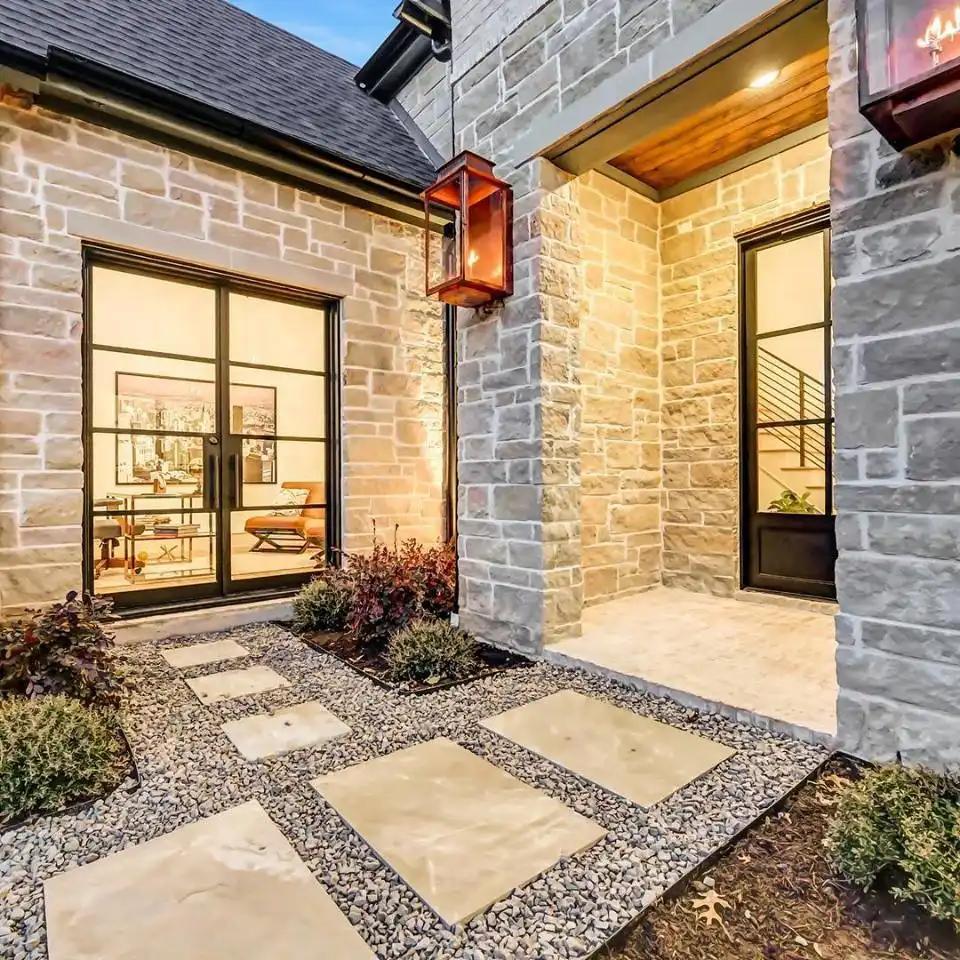
Buyers should verify more than a sample’s appearance when evaluating steel window frames manufacturers. Production capability determines whether the supplier can consistently translate drawings into compliant frames, manage finishes and glazing interfaces, and support delivery and installation. A useful assessment connects documented process controls to the project’s dimensions, exposure, performance requirements, and construction schedule.
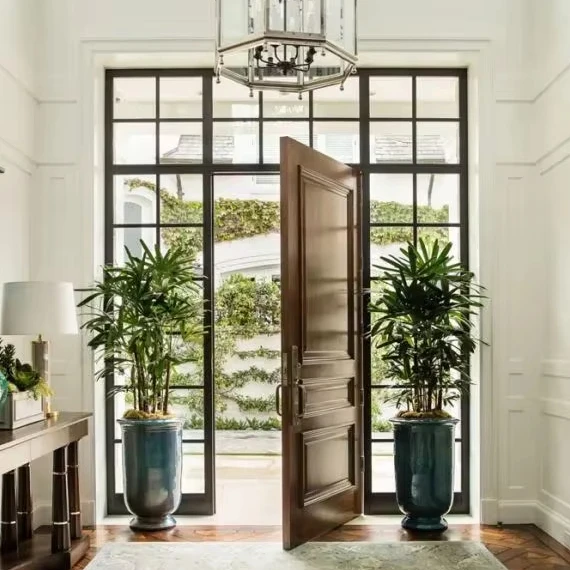
Ask for evidence at each production stage, not only a finished unit or a general capability statement. The most useful discussion covers material purchasing, profile forming, joint fabrication, dimensional inspection, coating, assembly, packaging, and site coordination. Reviewing these details helps buyers identify where quality is controlled, what records are available, and how changes are managed before a production run begins.
Verify material control and fabrication consistency
Trace materials from specification to batch
Start by asking how the manufacturer defines and records steel grade, section dimensions, wall thickness, and protective treatment. Durable steel window frame materials and specifications should be tied to approved drawings and purchase records, rather than communicated only as a general product description. Ask whether incoming material is checked against the agreed requirements and whether batches can be identified after fabrication.
The phrase durable steel window frame materials and specifications should cover the complete assembly, including fasteners, reinforcement, seals, glazing support, and finish compatibility. Request sample inspection records and clarify how the factory handles substitutions when a specified input is unavailable. Durable steel window frame materials and specifications also need to reflect the building’s exposure, because indoor conditions and weather-facing elevations create different corrosion and maintenance considerations.
Assess repeatability across profiles and joints
Review how profiles are cut, joined, and checked for squareness, alignment, and opening size. Durable steel window frame materials and specifications are only useful when the fabrication process holds the required tolerances across repeated units. Ask which checks occur during production, who records results, and what happens when a measurement falls outside the approved range.
A capable shop should explain how it controls corner joints, drainage paths, hardware preparation, and interfaces between frame members. Request drawings or a first-article review for unusual shapes and large openings. Durable steel window frame materials and specifications should remain traceable through these operations, while inspection evidence should distinguish routine sampling from checks required for critical dimensions. Confirm that approved revisions reach the operators before work continues.
Examine production planning and installation support
Confirm capacity, sequencing, and quality records
Ask how production is scheduled against the project’s release dates, finish approvals, glazing requirements, and delivery sequence. Commercial steel window frame installation and maintenance depends partly on predictable fabrication: delayed or mixed-up units can disrupt opening preparation and site coordination. Request a production plan showing key approval points, inspection stages, packaging responsibilities, and how the factory identifies each unit for its destination.
Commercial steel window frame installation and maintenance should be discussed before fabrication, not left until frames reach the site. Verify that the manufacturer can provide current shop drawings, opening schedules, hardware information, and handling instructions in a format the project team can review. Ask how nonconforming work is isolated and corrected, and whether final checks compare completed frames with approved dimensions and finish samples.
Check delivery, field coordination, and service process
Clarify the boundary between factory scope and installer scope, including anchorage details, shimming, sealant interfaces, and responsibility for field measurements. Commercial steel window frame installation and maintenance is more manageable when these responsibilities are documented and the frame package arrives with clear identification. Ask what technical support is available when site conditions differ from drawings, and how approved changes are recorded.
Packaging and handling are production capabilities because transport damage can compromise finish quality or alignment. Ask how completed units are protected, stacked, and labeled, and whether the delivery plan accounts for storage conditions at the project. Commercial steel window frame installation and maintenance also calls for usable care guidance, including finish cleaning, inspection intervals, adjustment points, and a process for reporting defects after handover.
Validate thermal design and performance evidence
Understand the thermal-break construction
Where energy performance matters, ask the manufacturer to explain how the thermal break separates interior and exterior metal paths and how that detail continues at corners, meeting rails, and frame transitions. Thermal break steel window frames for energy efficiency should be evaluated as a complete assembly, not by the presence of an insulating component alone. Request section drawings that show the break, seals, glazing pocket, and adjoining wall condition.
Thermal break steel window frames for energy efficiency must also suit the project’s glazing selection and intended operating conditions. Ask which configuration the available performance data represents, and whether changes in dimensions, hardware, or glazing affect the result. Thermal break steel window frames for energy efficiency are best assessed using test reports or calculations that identify the tested assembly and applicable rating method, rather than unqualified statements.
Review test scope and project-specific fit
Request evidence for relevant air leakage, water penetration, structural loading, and thermal performance requirements where those criteria apply. Confirm the report covers a representative frame type and configuration, and ask how the production unit is kept consistent with the tested design. Thermal break steel window frames for energy efficiency should have a clear relationship between documented results, the approved shop drawings, and the units being manufactured.
If project geometry or exposure differs from a standard configuration, discuss what needs engineering review before approval. Thermal break steel window frames for energy efficiency may require attention to perimeter interfaces, condensation risk, and continuity with adjacent envelope components. Ask who reviews those interfaces and what information the buyer must provide. This makes the selection decision grounded in project conditions rather than an assumption that one frame design fits every opening.
FAQ
What records should buyers request before approving production?
Request approved shop drawings, material and finish information, inspection procedures, relevant test evidence, and a production schedule. Confirm that revisions, unit identification, and nonconformance handling are documented and available to the project team.
How can a buyer assess whether production capacity fits a project?
Discuss the number and variety of units, release dates, approval lead times, inspection resources, and delivery sequence. Ask the factory to explain how it will manage custom configurations and recover from a quality issue without obscuring schedule impacts.
What should be agreed before frames arrive on site?
Document installation responsibilities, opening tolerances, anchorage and sealing details, storage and handling needs, and the route for technical questions. Agree on care guidance and how defects or adjustments will be handled after handover.