 EN

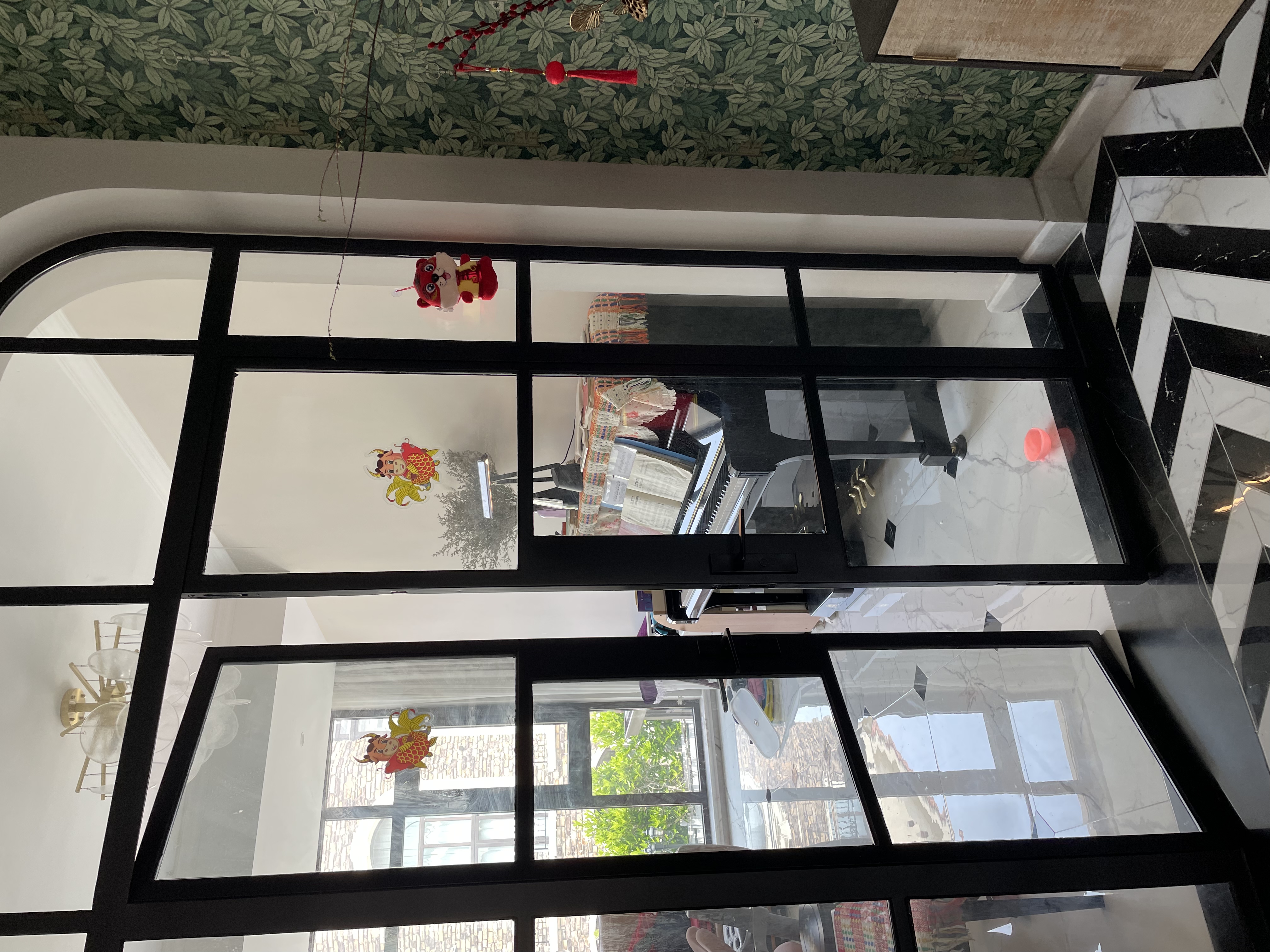
Steel window frames manufacturers offer several surface treatments, from durable powder coatings to metallic finishes and protective primers. The right option depends on the project’s exposure, appearance requirements, maintenance plan, and installation conditions. For buyers reviewing commercial steel window frame installation, it helps to assess the complete coating system rather than choose by color alone.
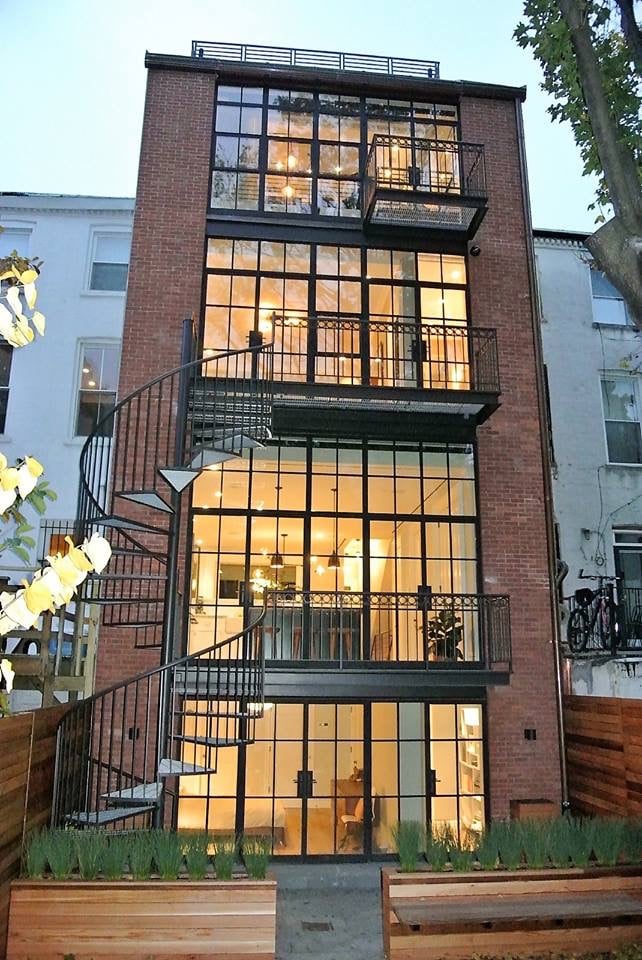
A useful specification connects the finish to the frame’s material preparation, fabrication details, and expected service environment. thermal break steel window frames specifications may also affect finish selection because the assembly contains different materials and interfaces. Considering industrial steel window frames durability and maintenance at the design stage helps teams balance appearance, corrosion resistance, repairability, and lifecycle effort.
Common Surface Treatment Options
Powder coating and wet paint systems
Powder coating is a common choice when a consistent color and even coverage are priorities. The coating is applied to prepared metal and cured to form a continuous finish, with available colors and textures determined by the project brief. For commercial steel window frame installation, confirm how the selected finish will be protected during transport, handling, and site fitting.
Wet paint systems can suit custom colors, field touch-ups, or projects with specific coating requirements. Performance depends on surface preparation, primer compatibility, application conditions, and film thickness. When reviewing thermal break steel window frames specifications, ask whether the proposed finish is suitable for every exposed component and how coating continuity is maintained around joints and edges.
Metallic finishes and corrosion protection
Metallic appearances may be created with specialist coatings or layered paint systems rather than relying on bare steel. A clear finish can alter sheen and visual depth, but it does not replace the need for an appropriate corrosion-protection layer. industrial steel window frames durability and maintenance should be considered together, since a dramatic finish may require more careful cleaning or periodic inspection.
Protective primers and zinc-rich systems may form part of a coating specification where exposure makes corrosion control important. The exact system should reflect the substrate, fabrication process, and project environment; no single coating is suitable for every location. During commercial steel window frame installation, damaged areas should be identified and repaired using methods approved for the specified coating.
How to Specify a Finish for the Project
Match the coating to exposure and design
Start by documenting whether frames face sheltered interiors, urban pollution, coastal air, frequent washing, or direct weather. These conditions influence preparation and coating requirements. steel window frames manufacturers can clarify which system is offered for each exposure, but the project team should confirm that the specification matches local building requirements and the intended cleaning regime.
Color, gloss, and texture should be approved using samples that reflect the actual proposed process. A small sample helps the design team assess how light changes the finish, while a larger mock-up can reveal consistency across profiles and corners. Include thermal break steel window frames specifications in the review so the visible finish and the frame assembly are assessed as one coordinated product.
Ask for written details on preparation, primer, topcoat, curing, and any required inspection. Clear documentation makes it easier to compare proposals without assuming that similar color names indicate equivalent systems. In commercial steel window frame installation, agree on acceptable handling marks and repair procedures before delivery, especially where frames will be stored or installed over an extended period.
Fabrication details matter because welds, cut ends, fastener locations, and concealed edges can be more vulnerable than broad visible faces. Specify how these areas are cleaned and protected, and clarify whether coating occurs before or after assembly. For industrial steel window frames durability and maintenance, accessible drainage paths and sound seals also matter; a coating cannot compensate for water trapped in the frame.
Coordinate treatment with frame construction
A thermal break separates interior and exterior metal sections with an insulating component, so finish decisions need to respect the complete assembly. Confirm coating compatibility with gaskets, sealants, hardware, and glazing interfaces. thermal break steel window frames specifications should identify materials that must remain uncoated and explain how masking or post-fabrication finishing protects those interfaces.
The order of fabrication and treatment affects both appearance and access. Coating components before assembly can provide broad coverage, while finishing assembled frames may simplify color continuity but make hidden surfaces harder to reach. steel window frames manufacturers should explain the selected sequence and how they manage edges, joints, and touch-up work without compromising fit.
Site conditions can influence the finish even when the factory coating is appropriate. Keep frames dry, separated from abrasive materials, and protected from cement residue or other contaminants during storage. For commercial steel window frame installation, use the coating supplier’s handling guidance and avoid unapproved cleaners, tapes, or repair products that may stain or soften the surface.
Samples, submittals, and inspection criteria should align before production begins. Record the approved color reference, sheen, coating build, and any agreed appearance tolerances. This coordination supports industrial steel window frames durability and maintenance by giving the owner a reliable baseline for later inspections and helping installers distinguish genuine damage from normal variations in texture.
Maintenance and Quality Checks
Protect the finish through installation and service
A practical maintenance plan begins with gentle cleaning at intervals suited to exposure. Remove dust and deposits using soft materials and a compatible mild cleaner, then rinse where appropriate. Avoid abrasive pads and harsh chemicals unless expressly approved. industrial steel window frames durability and maintenance improves when routine care prevents contaminants from remaining on the coating for long periods.
Inspect corners, lower rails, joints, and hardware interfaces for scratches, blistering, or persistent moisture. Record findings and address small defects using the specified repair process. thermal break steel window frames specifications can guide inspection around dissimilar materials and seals, where movement or interface damage may need attention alongside the visible coating.
Quality checks should verify the finish against approved samples and project documentation, not just visual preference. Confirm that surfaces are clean, coverage is consistent, and no transport damage is concealed by temporary protection. steel window frames manufacturers can provide care instructions and coating records, which help facilities teams plan inspection frequency and select compatible repair materials.
The best surface treatment is the one that fits the exposure, appearance brief, construction sequence, and owner’s maintenance capacity. A well-defined specification reduces ambiguity for fabricators and installers while supporting consistent review after delivery. For commercial steel window frame installation, preserve the approved finish details with the handover documents so future repairs follow the original system.
FAQ
Which finish is commonly selected for steel frames?
Powder coating and wet paint systems are common options, but suitability depends on exposure, appearance, and maintenance needs. Ask steel window frames manufacturers to document preparation and coating layers, then review samples against the project conditions.
How should thermal breaks affect finish specification?
Review the complete assembly, including gaskets, sealants, and interfaces, rather than specifying a finish for visible steel alone. thermal break steel window frames specifications should clarify compatibility, masking, and finishing sequence.
What helps preserve a coated frame after installation?
Protect frames from impact and contamination during commercial steel window frame installation, then clean with approved materials and inspect vulnerable edges. A documented care plan supports industrial steel window frames durability and maintenance over the service period.