 EN

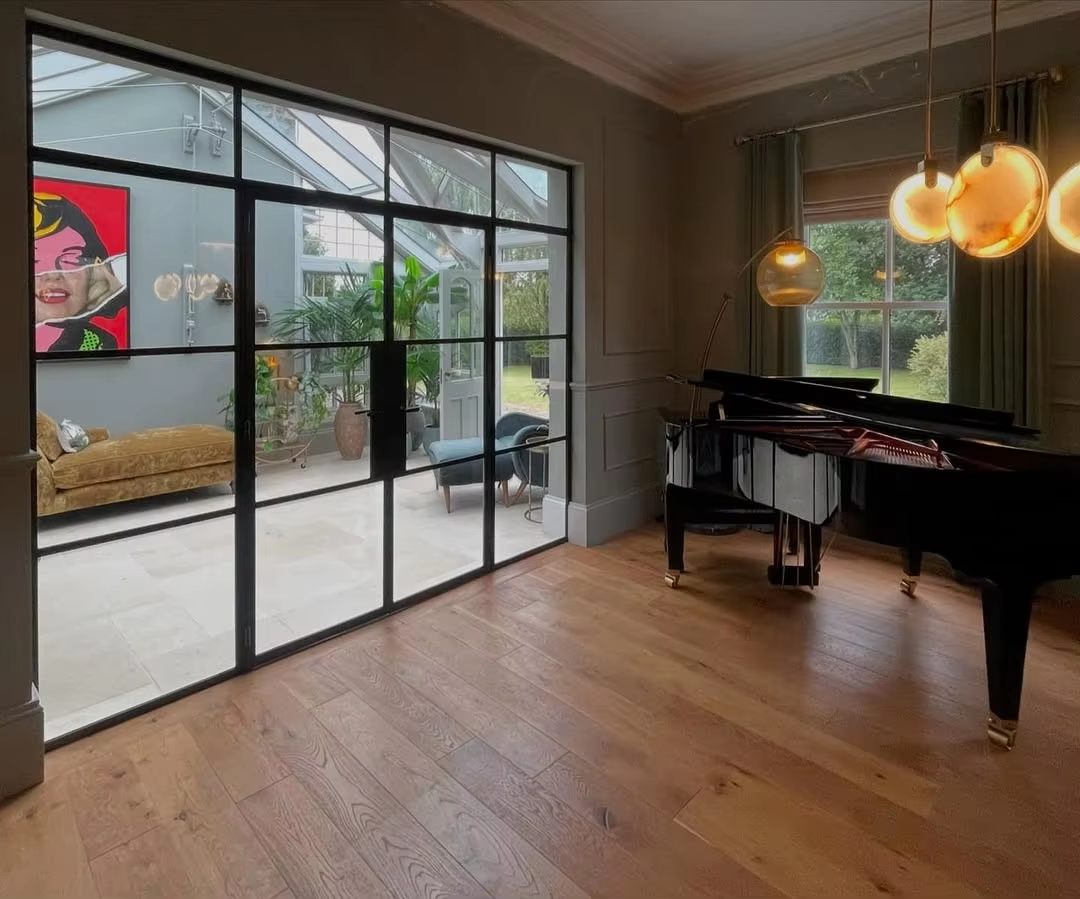
Before approving a window package, buyers should confirm dimensions, materials, glazing, finishes, performance evidence, and installation responsibilities with metal window suppliers. These details affect whether the specified units suit the building, coordinate with the façade, and can be installed as planned. A product description alone is not enough; request project-specific documentation and clarify how each requirement will be verified.
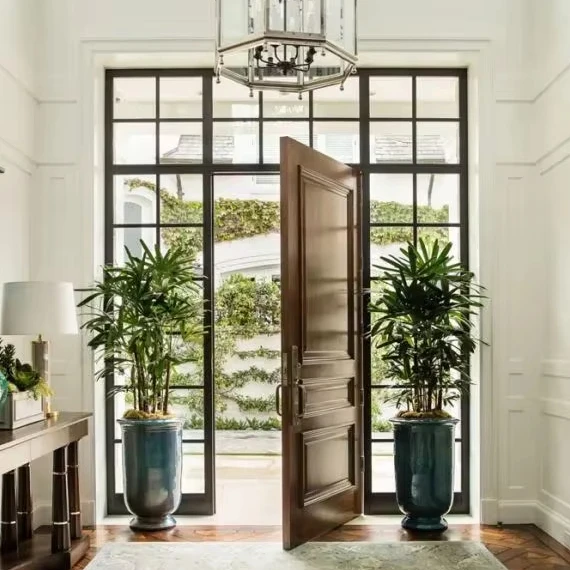
The right review is not simply a comparison of frame materials. Buyers need to connect architectural intent, opening conditions, code obligations, and site sequencing. Discussing commercial metal windows, aluminum window frames, and steel window installation in the same technical conversation helps expose gaps early, before drawings are finalized or fabrication begins.
Confirm the Window Scope and Material Specifications
Lock down dimensions, configuration, and interfaces
Start with a schedule that identifies every opening, its rough-opening dimensions, operating style, handing, and required accessories. For commercial metal windows, confirm whether measurements describe the frame, daylight opening, or structural opening; these are not interchangeable. Ask metal window suppliers to document tolerances and field-verification steps, and make sure aluminum window frames shown on the drawings match the proposed frame depth, sightlines, and connection details.
Define frame construction, glazing, and finish
Specify the actual metal, alloy or steel grade where relevant, section thickness, corner construction, and corrosion-protection approach instead of relying on a general product label. For commercial metal windows, establish glass type, thickness, safety requirements, insulating-glass makeup, and setting method. Review aluminum window frames for thermal-break details where required, and ask metal window suppliers how finish color, sheen, and touch-up procedures will be controlled across the project.
A complete submittal should also show gaskets, sealants, hardware, drainage paths, and perimeter connections. Confirm which components are included and which are supplied by other trades, since unclear scope can leave gaps at procurement or installation. Compare the proposed aluminum window frames with the approved elevations and wall assembly, while recording any substitutions for written design-team review. This keeps commercial metal windows consistent in appearance and coordinated at interfaces.
Verify Performance Evidence and Installation Coordination
Match tested performance to project requirements
Ask for relevant test reports, ratings, and product data tied to the proposed configuration, not just a similar unit. Requirements may cover air leakage, water penetration, structural pressure, thermal performance, acoustics, or safety glazing, depending on location and use. For commercial metal windows, check that size, mullions, glass, hardware, and operable sections represented in the evidence align with the project. Metal window suppliers should identify limitations and explain how deviations will be assessed.
Resolve the installation sequence and trade boundaries
Before release, establish who verifies openings, receives and stores units, installs anchors, applies perimeter sealants, and inspects completed work. A steel window installation plan should address access, lifting, protection, shimming, fastening, and the sequence for connecting the frame to the wall. If aluminum window frames are used in another façade zone, coordinate their interfaces and details so the installation teams do not assume identical methods. Request written responsibilities from metal window suppliers.
The site team also needs clear tolerances and a procedure for out-of-square or damaged openings. Confirm when dimensions are rechecked and who authorizes adjustments, then coordinate installation with waterproofing and interior finishes. A steel window installation review should examine anchor locations, substrate capacity, sealant compatibility, and inspection access before work starts. These checks help the project team avoid treating commercial metal windows as a standalone package when their performance depends on adjoining construction.
Close Documentation, Quality, and Delivery Gaps
Review submittals, samples, and inspection records
Set a submittal list that covers shop drawings, product data, finish samples, glazing details, care instructions, and available test documentation. Ask metal window suppliers to mark project-specific dimensions and identify assumptions rather than returning generic sheets. For commercial metal windows, approve a representative sample or mock-up when appearance and interfaces warrant it. Check aluminum window frames against the approved finish and profile, and define who records revisions and final acceptance.
Confirm packaging, delivery, and closeout requirements
Agree on production milestones, delivery batches, labeling, protective packaging, and storage conditions suited to the site schedule. Clarify the process for reporting shortages, transit damage, or fabrication discrepancies, including the information needed to resolve each issue. For commercial metal windows, connect delivery dates to opening readiness rather than assuming units can be stored indefinitely. Metal window suppliers should also provide maintenance guidance and the records required for handover.
Before purchase approval, consolidate unanswered points into a responsibility matrix or written clarification record. A final steel window installation check can verify that approved drawings, field dimensions, anchoring details, and sealant requirements are available to the installer. Confirm that the selected aluminum window frames and related components meet the same documented scope used for pricing. Clear decisions now give the project team a traceable basis for fabrication, inspection, and closeout.
FAQ
Which documents should buyers request before approval?
Request project-specific shop drawings, product data, finish information, glazing details, applicable test evidence, and installation instructions. For commercial metal windows, compare these documents with the opening schedule and performance requirements, and record any exceptions before fabrication release.
How should buyers review frame material and finish?
Confirm the specified metal and construction details, then review profile dimensions, corrosion protection, color, and sheen against the design documents. For aluminum window frames, verify any required thermal-break details and approve a representative sample when visual consistency is important.
What should be settled before installation starts?
Confirm field measurements, opening readiness, anchoring, sealant responsibilities, storage, and inspection steps. A coordinated steel window installation plan should identify trade boundaries and escalation procedures, so site teams know how to respond to dimensional conflicts or damaged units.