 EN

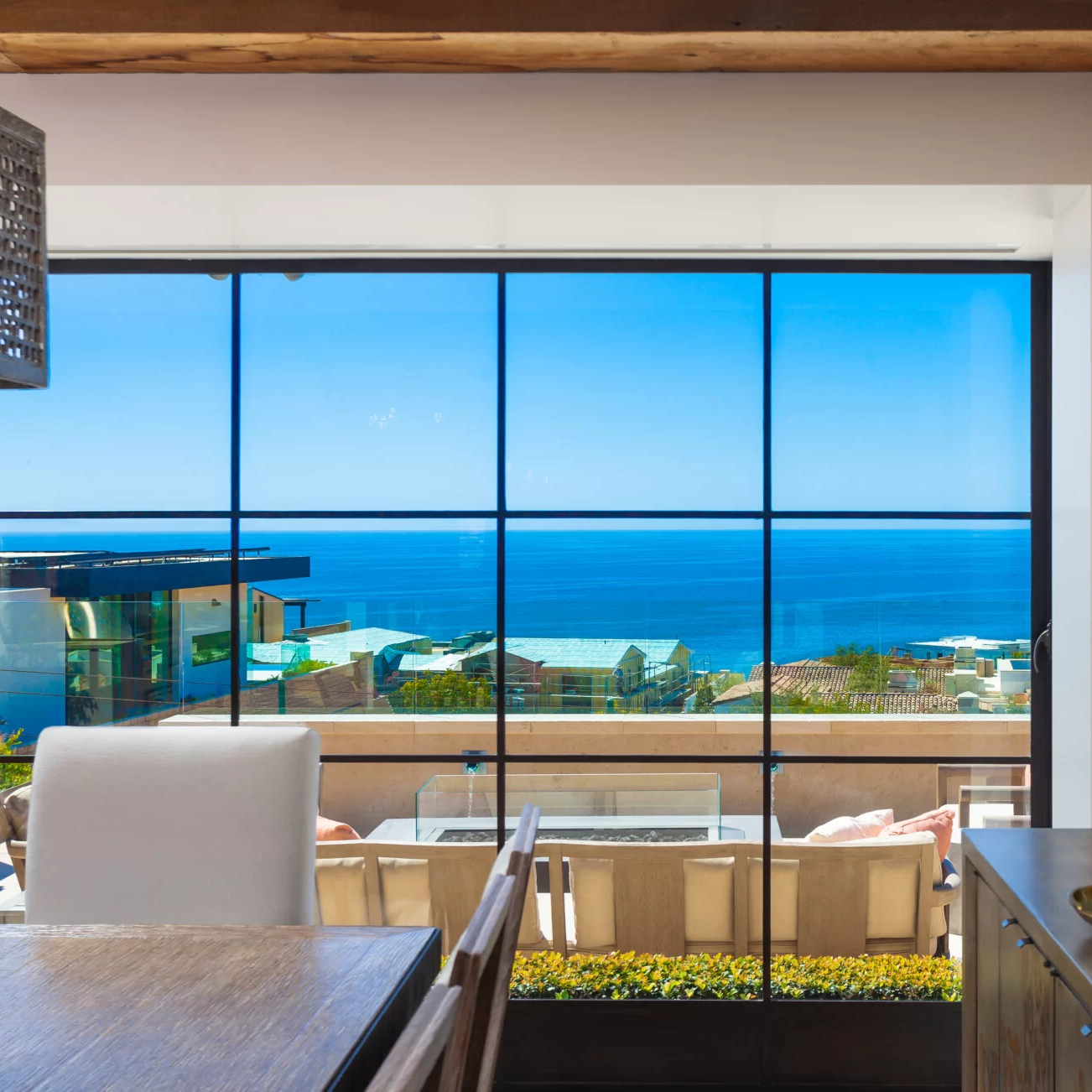
Distributors looking for reliable steel casement doors manufacturers need more than a product catalogue. They need evidence that a manufacturer can meet project specifications, maintain consistent fabrication, and support dependable delivery. A structured search also helps distinguish suppliers prepared for commercial requirements from those offering only limited product information. Compare thermal break casement windows, commercial steel frame doors, and weather-resistant casement door seals as related specification areas, not as interchangeable products.
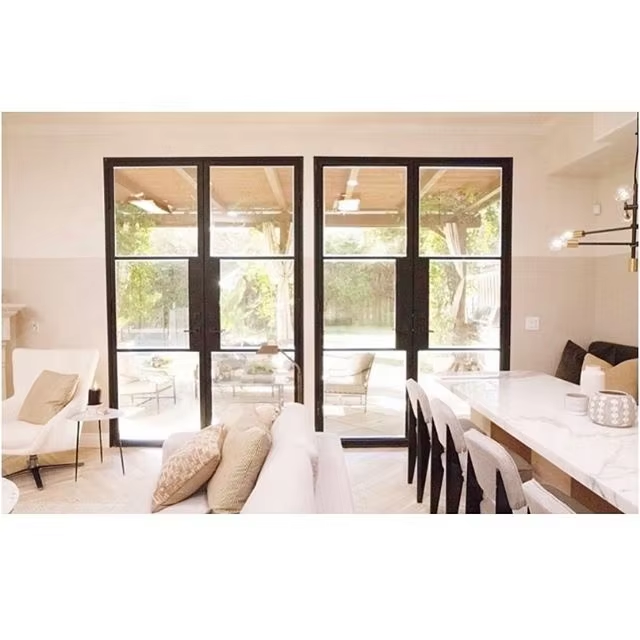
The most productive places to start are established trade networks, industry exhibitions, technical directories, and direct manufacturer outreach. Use those channels to build a shortlist, then verify each candidate against drawings, material details, sample quality, and communication practices. When reviewing thermal break casement windows, commercial steel frame doors, or weather-resistant casement door seals, ask for specific evidence that relates to the project rather than relying on broad claims.
Start the Search with Verifiable Sources
Use industry channels to build a qualified shortlist
Trade fairs and building-product exhibitions let distributors inspect profiles, hardware, and finish quality while speaking directly with technical staff. Industry directories and professional associations can also reveal firms with relevant fabrication experience. Search specifically for steel casement doors manufacturers that publish product specifications and project documentation. If a candidate also lists thermal break casement windows or commercial steel frame doors, confirm that the listed capabilities apply to its own production rather than a separate partner.
Referrals from architects, contractors, and façade consultants can help identify manufacturers familiar with local project demands. Treat a referral as an introduction, not proof of suitability. Ask whether the company has completed comparable openings, finishes, and operating configurations. For weather-resistant casement door seals, request details about the seal material, installation method, and maintenance expectations. A clear response helps establish whether the manufacturer understands the practical performance questions behind the specification.
Check production capability before discussing volume
A credible manufacturer should explain how it moves from approved drawings to fabrication, inspection, packing, and dispatch. Distributors should confirm who controls dimensional checks and how design changes are recorded. When comparing commercial steel frame doors, ask whether the proposed frame construction, hinges, locks, and finishes match the application. The same discipline applies to thermal break casement windows: confirm the frame build-up and request product-specific technical documents rather than assuming a familiar label defines the assembly.
Early capacity discussions should cover realistic order quantities, production scheduling, sample lead times, and the process for handling nonconforming units. Ask for a named contact who can address technical and order questions, especially when specifications change. Manufacturers offering steel casement doors should be able to describe their normal quality checks in plain language. For weather-resistant casement door seals, clarify how the seals are fitted and checked, since small assembly details can affect the finished opening.
Verify Technical Fit and Product Quality
Match specifications to the project environment
Before requesting a quotation, give shortlisted firms the opening sizes, operating requirements, finish expectations, and relevant site conditions. This allows them to identify missing information before pricing. For thermal break casement windows, ask for drawings that show the frame arrangement and thermal separation clearly. When the project includes commercial steel frame doors, confirm door swing, hardware preparation, threshold details, and interfaces with adjacent construction. Complete inputs make supplier responses easier to compare.
Weather exposure deserves equally specific attention. Discuss drainage paths, frame joints, glazing interfaces, and the intended installation method rather than asking only whether a product is weatherproof. Request the supporting test information available for the proposed configuration and check whether it reflects the size and hardware being quoted. Weather-resistant casement door seals should be assessed as part of the assembled door system, not as a standalone accessory. This helps distributors avoid promising performance beyond the evidence supplied.
Review samples, drawings, and quality records
A sample can reveal workmanship that a brochure cannot: corner joints, weld finishing, coating consistency, hardware alignment, and the smoothness of operation. Compare samples with approved drawings and note any deviations before approving production. For steel casement doors, inspect the opening and closing action and confirm the stated materials correspond to the delivered sample. Thermal break casement windows also merit careful review of the visible frame details and the documentation describing their construction.
Ask how inspections are recorded and what happens if an item fails a check. Useful evidence may include material records, dimensional inspection notes, finish requirements, and a process for approving pre-production samples. For commercial steel frame doors, review hardware schedules and confirm that the specified components can be supplied consistently. For weather-resistant casement door seals, check that the selected profile is identified on drawings or in the bill of materials. Traceable details reduce confusion between quotation, sample, and production.
Confirm Commercial Readiness Before Appointment
Assess communication, delivery, and after-sales support
Reliable sourcing depends on operational clarity as much as product fit. Ask how the manufacturer confirms orders, communicates schedule changes, protects finished goods, and reports dispatch status. Clarify packaging requirements for transit and the information provided for receiving inspections. Distributors handling thermal break casement windows or commercial steel frame doors should also determine how replacement parts and service questions are managed. Written answers create a useful reference for the sales and project teams.
Discuss delivery terms, documentation, and responsibility for resolving damage or specification discrepancies before placing an order. A supplier should be willing to explain the limits of its delivery commitments and identify dependencies such as approved drawings or hardware selection. For steel casement doors, confirm the process for reporting a defect and the evidence needed to assess it. Ask the same practical questions about weather-resistant casement door seals, particularly where a replacement may need to match an installed system.
Use a documented approval process
Once a candidate passes initial checks, record the agreed specifications, drawings, finish, hardware, inspection points, and delivery expectations in the purchase documentation. Keep approved samples and revision records accessible to everyone involved. This is especially useful when orders include thermal break casement windows alongside other openings, because separate configurations may look similar while requiring different details. Clear records let distributors verify that production follows the agreed scope instead of relying on informal email summaries.
Before appointing a manufacturer for repeat business, consider a controlled first order or project-specific sample approval. Review the delivered product against the documented requirements and capture any corrective actions before expanding the relationship. Commercial steel frame doors may involve coordination across several trades, so assess how promptly technical questions are resolved. Confirm that weather-resistant casement door seals and related components remain consistent with approved documentation. This evidence-based approach helps distributors build a dependable supply relationship without treating initial claims as guarantees.
FAQ
Where should distributors begin their manufacturer search?
Start with relevant trade exhibitions, professional directories, referrals, and direct outreach. Shortlist companies with clear technical information, then verify production processes, samples, and project-specific fit. For steel casement doors, a documented capability review is more useful than a catalogue alone.
What documentation should a distributor request?
Request product drawings, material and finish details, hardware schedules, available test information, inspection records, and written delivery terms. Thermal break casement windows and commercial steel frame doors should have documentation that matches the actual proposed configuration.
How can seal suitability be checked before ordering?
Ask for the seal profile, material information, fitting details, and its relationship to the complete door assembly. Compare those details with drawings and sample construction. Weather-resistant casement door seals should be verified for the specified product rather than assumed suitable across different designs.