 EN

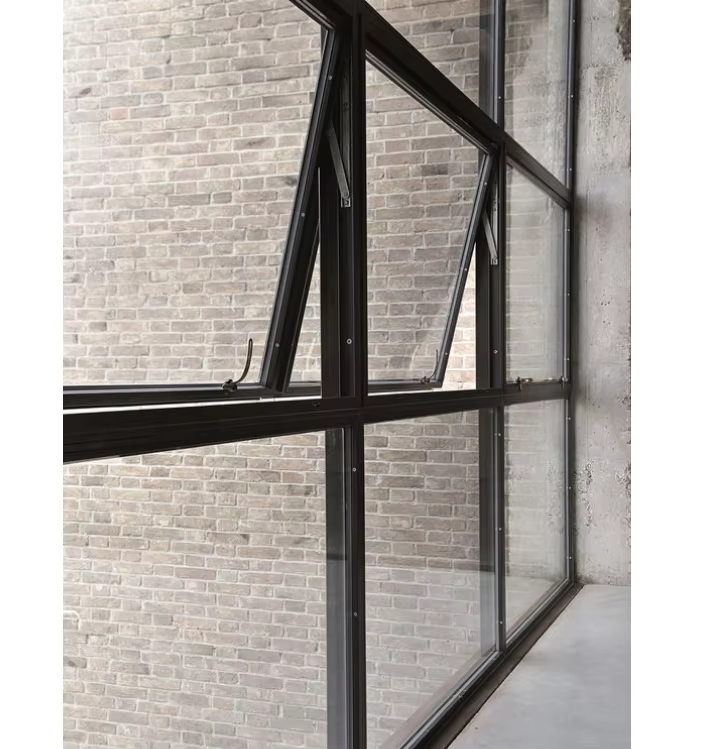
Choosing a coating is not simply a color decision. For a project team comparing metal window suppliers, the right finish depends on the base metal, exposure, appearance goals, and maintenance plan. Understanding available coating options helps connect specification choices to the building’s location and intended service life.
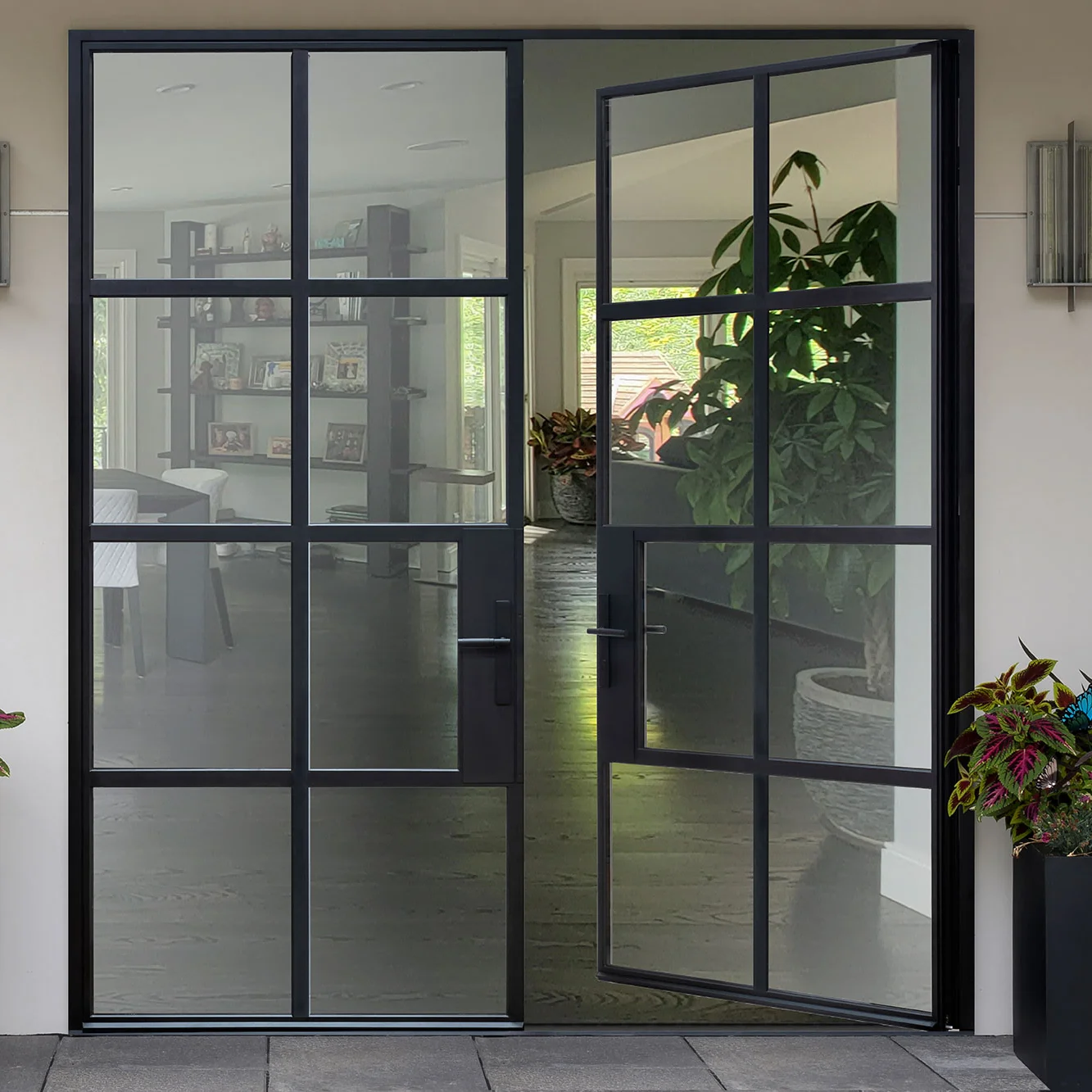
Common choices include liquid-applied paint, powder coating, anodizing for aluminum, and specialized protective systems for steel. Each can suit commercial metal window frames, but performance depends on preparation and application as much as the coating name. Considering these differences early also helps coordinate finishes with aluminium window installation details and future service requirements.
Coating types and how they differ
Paint and powder-coated finishes
Liquid paint and powder coating are widely specified for commercial metal window frames because they allow a broad selection of colors and sheen levels. Liquid systems can work well when a particular appearance or repair approach matters, while powder coating is applied as a dry material and cured on the prepared component. In either case, metal window suppliers should explain the coating system, surface preparation, and applicable project specification rather than naming a finish alone.
A coating schedule should state color, gloss, substrate, and any project-required performance criteria. For commercial metal window frames in coastal, industrial, or high-traffic settings, the design team should assess exposure and cleaning practices before choosing a system. During aluminium window installation, handling and storage also matter: an appropriate factory finish can still be damaged by abrasion, contact with incompatible materials, or poor protection at the site.
Anodized aluminum and protective steel systems
Anodizing changes the aluminum surface through an electrochemical process, creating an integral oxide layer rather than a conventional paint film. Its appearance is often more limited than a full paint palette, so sample review is important when adjacent commercial metal window frames must match. Metal window suppliers can clarify available colors and explain how substrate variation, fabrication, and viewing light may affect the finished appearance.
Steel usually needs a suitable protective coating to help manage corrosion risk, especially where moisture can reach edges, joints, or damaged areas. The specified system may involve a primer and finish coat, with preparation and application controlled to the project requirements. When steel window replacement services are being planned, confirm how the proposed finish works with the existing opening, repair scope, and expected exposure; a coating cannot compensate for unresolved water entry or deteriorated surrounding construction.
Matching the finish to building conditions
Exposure, use, and maintenance demands
Start with the conditions the windows will face. Sunlight, airborne contaminants, moisture, and routine cleaning all influence finish selection, but their effects vary by site and coating system. For commercial metal window frames, specify the actual exposure rather than relying on a general label such as exterior grade. Metal window suppliers can use that information to identify suitable finish documentation and any limits that should be understood before approval.
Maintenance planning is another selection factor. A finish that is easy to clean may be useful in public-facing spaces, while a repairable system may matter where access is difficult or operational interruption is costly. Discuss approved cleaners, inspection practices, and touch-up procedures before aluminium window installation begins. These details help prevent incompatible cleaning products or site repairs from changing the color, sheen, or protective properties of the coating.
Color coordination and project context
Color selection should be judged on representative samples, not just a screen image or a small printed chip. Confirm the finish under relevant lighting and alongside adjacent materials, including cladding, doors, and interior trim. This is particularly helpful when commercial metal window frames form a repeated façade element. Metal window suppliers can advise on sample availability and clarify whether the selected appearance is consistent across the specified profiles and components.
For a renovation, compare the proposed finish with retained frames and nearby openings before finalizing the schedule. If steel window replacement services are part of a phased project, establish whether new units need to blend with existing painted steel or intentionally create a defined contrast. During aluminium window installation, protect finished surfaces until surrounding construction is complete. A coordinated plan for samples, sequencing, and protection reduces avoidable visual differences between delivered units and the completed building.
Specifying and verifying a coating
Information to confirm before approval
A useful specification identifies the substrate, coating type, color reference, sheen, preparation method, and relevant acceptance requirements. Ask for written details on the full coating system, not only the final color. For commercial metal window frames, this gives the project team a basis for reviewing submittals and checking that the proposed finish aligns with the drawings. Metal window suppliers should also make clear which components receive the finish and how exposed edges are treated.
Request samples early enough to resolve color and texture decisions before fabrication milestones. If the project includes aluminium window installation, verify how site handling, temporary storage, and installation tools will protect the approved finish. For steel window replacement services, clarify whether existing coatings require removal, how concealed conditions will be addressed, and which party is responsible for field repairs. Clear responsibilities help avoid gaps between factory work and site completion.
Inspection, delivery, and long-term care
At delivery, inspect representative units for visible damage, consistency, and conformance with approved samples. Review documentation against the submittal and note any transit or storage concerns before installation proceeds. On projects with commercial metal window frames across several elevations, a consistent inspection process supports a uniform appearance. Metal window suppliers can provide product-specific care guidance, but the project team should record acceptance criteria and communicate them to installers.
After installation, follow the coating manufacturer’s maintenance instructions and address scratches or coating damage using an approved method. Keep records of finish references and repair materials for future work. Thoughtful care supports appearance without implying that any coating is maintenance-free. For aluminium window installation and steel window replacement services alike, good coordination between specification, handling, inspection, and ongoing care is what makes the selected finish practical for the building.
FAQ
Which coating is suitable for commercial windows?
There is no single choice for every building. Compare exposure, substrate, color goals, and care needs when specifying commercial metal window frames. Ask metal window suppliers to document the proposed system and its project-specific suitability.
Does aluminum always need a painted finish?
No. Aluminum may be anodized or receive a paint or powder-coated finish, depending on appearance and project requirements. Review samples and coordinate the chosen finish with aluminium window installation handling and protection plans.
What should a steel replacement project verify?
Confirm the condition of the opening, the coating system, and responsibility for preparation and field repairs. For steel window replacement services, commercial metal window frames should be inspected against approved finish samples, with care instructions retained for later maintenance.