 EN

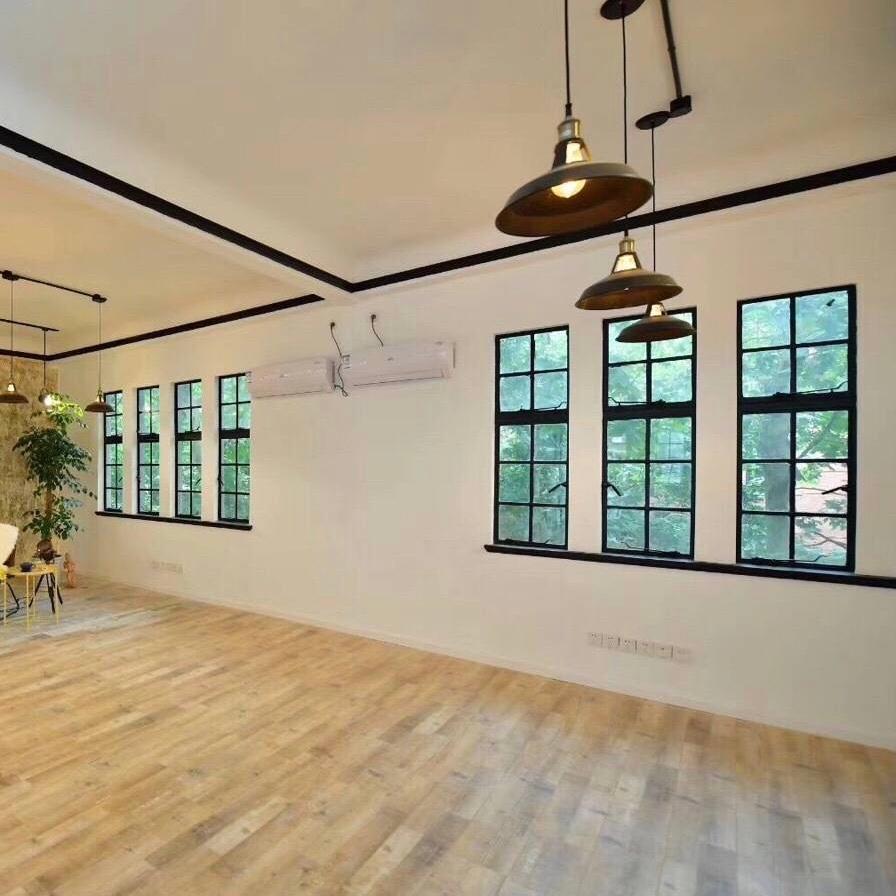
Choosing coatings that extend the service life of steel fixed windows starts with understanding exposure, fabrication, and maintenance conditions. A coating system is not just a color layer: it protects steel from corrosion, helps preserve appearance, and supports reliable performance at joints and edges. The right specification for industrial window frames also needs to account for thermal break steel windows and security fixed glazing where those features are part of the assembly.
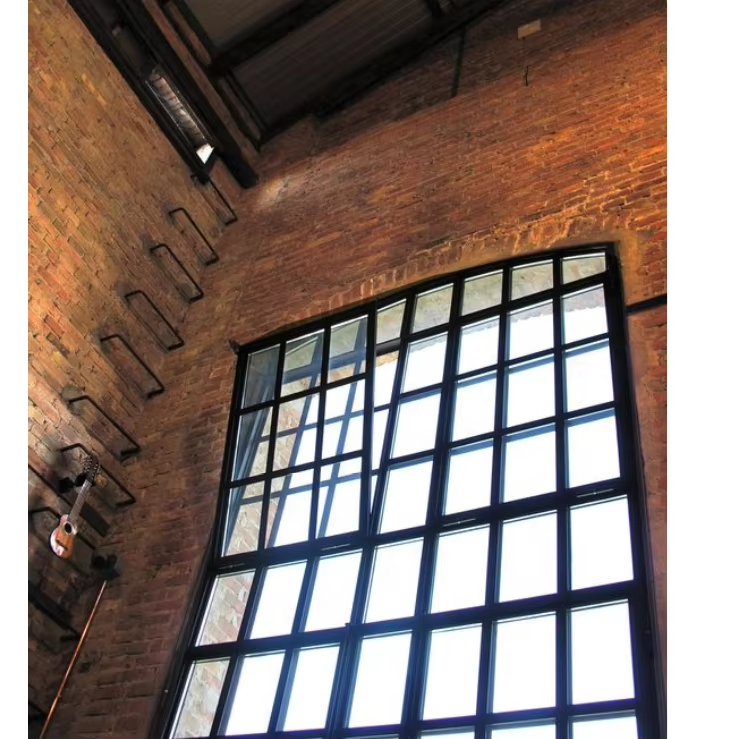
There is no single coating that suits every building. Coastal salt, industrial pollutants, persistent condensation, ultraviolet exposure, and cleaning chemicals place different demands on a finish. For steel fixed windows, durability comes from matching the coating chemistry and surface preparation to the actual site, then protecting vulnerable details during fabrication, transport, and installation.
Assessing exposure before selecting a coating
Corrosion risk and site conditions
Begin with the window’s environment rather than a preferred color or finish. Salt-laden air, airborne chemicals, standing water, and repeated wetting can accelerate corrosion, particularly at cut edges and concealed joints. Industrial window frames in sheltered interiors may face less direct weather but still encounter condensation or cleaning agents. Record exposure on each elevation so the specification reflects real conditions.
Thermal break steel windows need attention to both the metal surfaces and the interfaces between materials. Temperature differences can encourage condensation, while trapped moisture around seals or drainage paths can undermine otherwise sound protection. Security fixed glazing also relies on secure, stable frame details, so coating selection should support the assembly without obstructing glazing pockets, fasteners, or drainage openings.
Consider how often the facade can be inspected and cleaned. A coating exposed to regular washdown may need resistance to the specified detergents, while a high facade with limited access calls for a durable finish and a practical inspection plan. For industrial window frames, note nearby processes that release dust, fumes, or abrasive particles, since deposits can retain moisture and wear the surface.
Preparation and detail design
Even a capable coating can fail when applied over oil, mill scale, rust, or contamination. Define cleaning, abrasion, and pretreatment requirements before fabrication, and verify that the process suits the selected primer and topcoat. Thermal break steel windows require controlled handling so protected surfaces are not damaged as components are assembled, moved, or fitted with seals.
Pay particular attention to welds, corners, fastener recesses, and cut edges, where coating coverage can be thinner than on broad faces. Security fixed glazing may have deeper rebates and hardware interfaces that are difficult to reach after assembly. Specify access and coating sequence early, then inspect these details before glazing closes them off.
Comparing protective coating systems
Zinc-rich primers and layered protection
A zinc-rich primer can provide sacrificial corrosion protection when the steel has been properly prepared and the complete system is compatible. It is typically paired with intermediate and finish coats selected for exposure, appearance, and chemical resistance. Industrial window frames benefit from clearly documented dry-film thickness and curing requirements, rather than relying on a product name alone.
For thermal break steel windows, confirm that the primer, finish, sealants, and insulating components can coexist through fabrication and service. Coating overspray or excessive build can interfere with fit, drainage, or thermal-break connections. Review the fabrication sequence and protect adjoining materials so the protective system remains continuous without compromising designed interfaces.
A layered system is useful when corrosion resistance and color stability must be addressed together. The primer protects the substrate, while the topcoat shields the lower layers from weathering and routine cleaning. Security fixed glazing should receive consistent coverage around glazing rebates and retention features, while keeping functional surfaces and drainage routes clear.
Powder and liquid-applied finishes
Powder coatings can provide a uniform factory-applied finish, but their success depends on pretreatment, component geometry, application control, and curing. Complex corners and recesses require particular attention to coverage. When specifying industrial window frames, ask for the full process description and acceptance criteria, including how damaged areas will be repaired after handling.
Liquid-applied systems can offer flexibility for certain geometries, colors, or project conditions, but performance still depends on preparation and application discipline. For thermal break steel windows, check compatibility across all exposed metal components and establish how field touch-ups will match the original finish. Security fixed glazing needs careful masking so coatings do not contaminate gaskets, glass-contact surfaces, or hardware.
Neither coating type is automatically superior for every project. Compare exposure ratings, documented system build, repair procedures, color requirements, and the ability to coat edges and recesses. On industrial window frames, an approved sample can help confirm appearance and practical details before full production; it should represent the actual preparation and application process.
Maintaining coating performance through service
Inspection, cleaning, and repairs
Set inspection intervals according to exposure and access, and record early signs such as blistering, chalking, scratches, rust staining, or failed sealant. Thermal break steel windows should be checked at joints and drainage paths as well as visible faces, because retained moisture can be concealed. Use cleaning methods approved for the coating rather than abrasive tools or unverified chemicals.
Small coating damage is easier to manage when the repair method is specified before handover. Remove loose material, prepare the affected area, and apply compatible repair products according to the coating supplier’s instructions. For security fixed glazing, coordinate any repair near the glazing pocket with the responsible facade professional so protective work does not disturb retention, seals, or glass.
Keep records of coating batches, preparation checks, inspection findings, cleaning products, and repairs. These records make it easier to identify recurring exposure problems and plan maintenance budgets. Industrial window frames can vary by elevation, so note where staining or wear appears rather than assuming every facade area needs the same intervention.
Writing a durable project specification
A useful specification states the exposure assumptions, substrate preparation, coating layers, target thickness, inspection points, curing conditions, and repair approach. It should also identify areas requiring special attention, including welds, edges, fixings, and concealed faces. Thermal break steel windows require coordination between coating requirements and the assembly details so protection does not compromise fit or thermal performance.
Request evidence that the proposed system is appropriate for the project environment, and agree how quality will be checked before delivery. Include handling and installation controls to prevent abrasion, plus a clear process for documenting site damage. Security fixed glazing benefits from a specification that assigns responsibility for protecting frame finishes while glazing and hardware are installed.
When coating requirements are tied to actual exposure, fabrication details, and maintainability, steel fixed windows are better positioned to retain both protection and appearance. The most durable outcome is usually a coordinated system: sound preparation, compatible layers, full coverage at vulnerable details, careful installation, and proportionate inspection over the service life.
FAQ
Which coating approach suits a corrosive site?
Choose a complete system based on the site’s corrosion exposure, substrate preparation, and documented compatibility. Industrial window frames in coastal or polluted environments may need a more robust primer-and-topcoat specification, with special attention to edges and joints. Confirm the maintenance and repair approach before approval.
Does coating choice affect thermal-break assemblies?
It can. Thermal break steel windows combine metal profiles with insulating and sealing components, so coatings and application processes must not interfere with interfaces, drainage, or fit. Confirm compatibility and fabrication sequencing with the project team before production begins.
How should security glazing frame finishes be maintained?
Inspect for scratches, corrosion, coating breakdown, and sealant defects, especially around rebates and hardware. Security fixed glazing should be cleaned with approved products, and repairs near glass or retention details should follow the assembly requirements. Keep inspection and repair records to guide future maintenance.