 EN

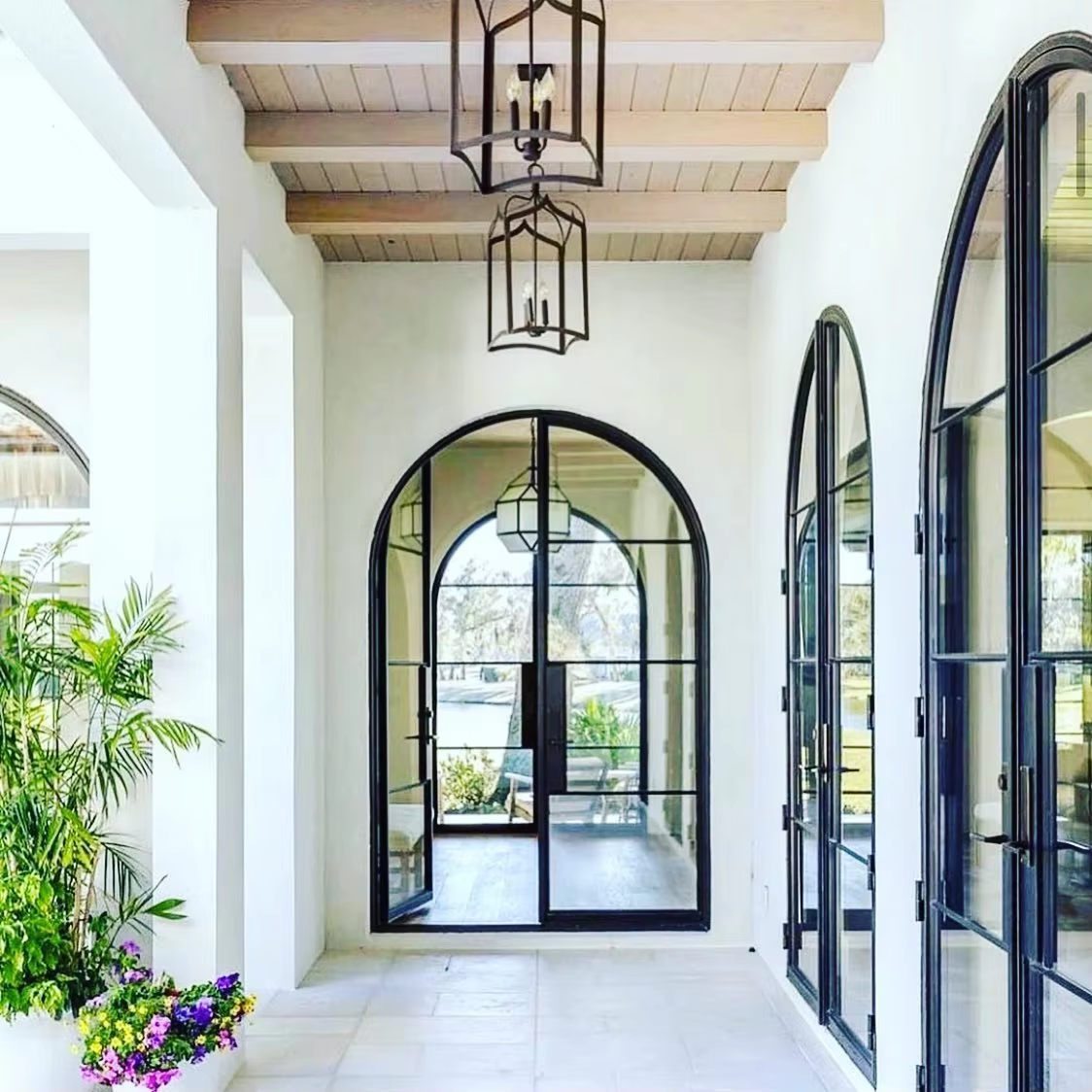
Which custom options can steel window suppliers provide? Project teams can often tailor frame profiles, glazing, finishes, hardware, opening styles, and delivery details to suit a building’s design and operating needs. The right choices depend on use, code requirements, exposure, and coordination with the rest of the envelope.
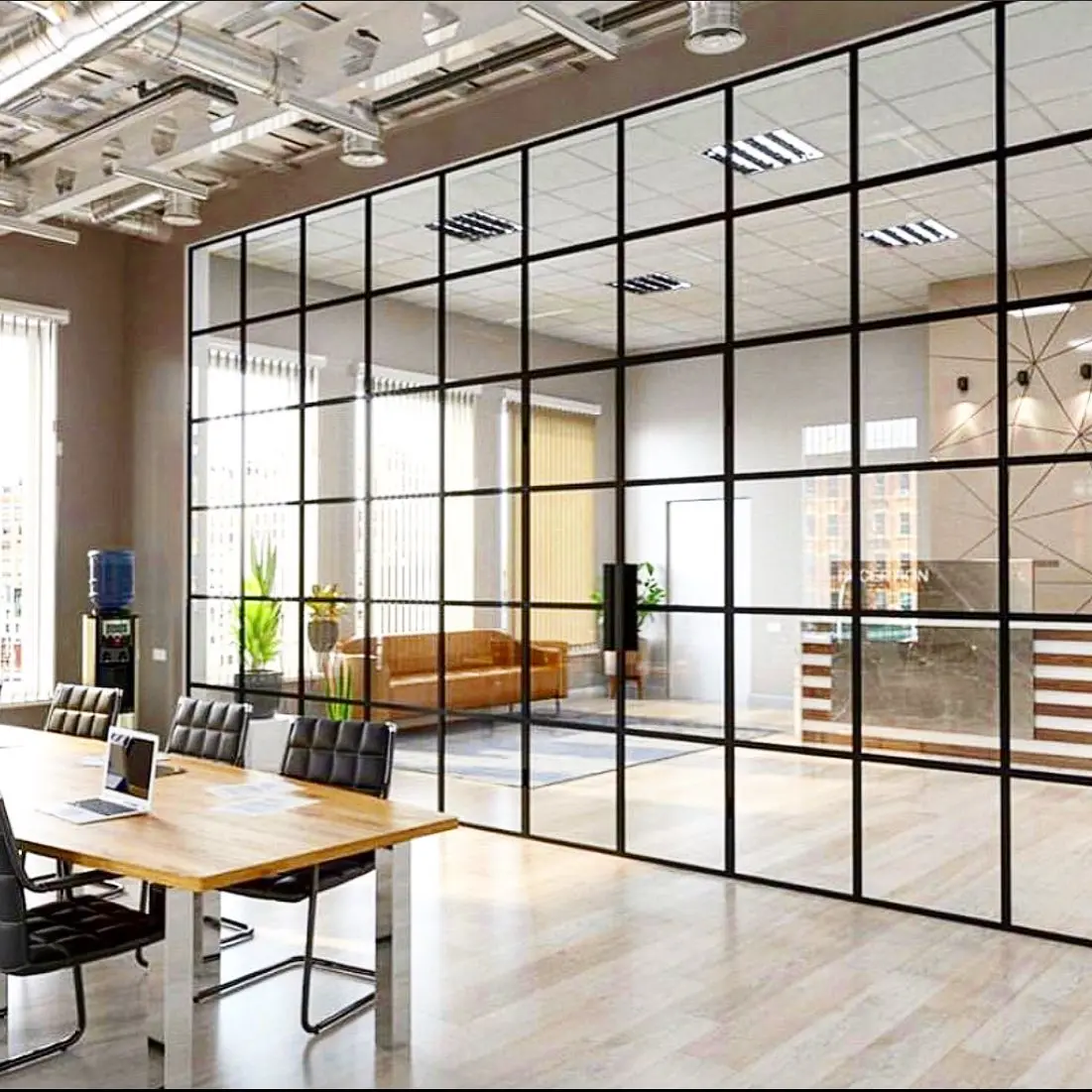
For a useful brief, bring steel window suppliers clear performance targets and site information early. That gives the project team a basis for reviewing commercial steel windows installation, residential steel window frames specifications, and durable steel windows maintenance and repair before details are fixed.
Frame and glazing choices shape the design
Profiles, sightlines, and opening styles
Frame depth and sightline are among the most visible custom decisions. A narrow profile can support a contemporary elevation, while a deeper section may be needed to accommodate glazing, hardware, or structural conditions. Discuss how residential steel window frames specifications relate to the actual wall assembly, rather than treating the frame as a standalone product.
Ask about fixed, casement, awning, tilt, or other available configurations according to the project’s ventilation and access needs. For residential steel window frames specifications, note the room function, opening clearance, and whether occupants need a simple, accessible operating motion. These requirements may affect sash dimensions and hardware selection.
A coordinated schedule can identify each opening, its dimensions, operation, and glass requirement. This makes residential steel window frames specifications easier to check against architectural drawings and helps limit late changes. For commercial steel windows installation, confirming opening types early also supports interface planning with adjacent systems.
Glass selection and project performance
Glazing can be customized by thickness, composition, appearance, and safety requirements, subject to the system’s tested limits. The design team should establish priorities such as thermal control, acoustic separation, daylight, privacy, or impact resistance, then confirm compatible options. Commercial steel windows installation depends on clear glass and frame details, since substitutions can affect dimensions and installation clearances.
Residential steel window frames specifications should record the intended glazing build-up and applicable safety conditions for each location. Do not assume that a visual sample alone establishes compliance or performance. Request supporting technical information and review it with the project consultant, especially where large panes or unusual exposures are involved.
Where appearance matters, teams can also review divided-light patterns, grille layouts, and relationships between glass and mullions. Ask whether a proposed pattern changes sightlines, cleaning access, or the way the window operates. These details should be coordinated with residential steel window frames specifications rather than added after fabrication planning begins.
Finishes and hardware adapt windows to use
Color, coating, and exposure choices
Finish options may include selected colors, sheen levels, and coating systems appropriate to the project environment. Review samples in representative lighting and confirm how the finish will meet adjoining doors, cladding, or interior trim. For coastal, industrial, or high-contact areas, discuss exposure and cleaning conditions instead of relying only on color preference.
The finish specification should state the expected appearance, preparation, and any project-specific durability requirements. This information supports commercial steel windows installation by helping site teams identify protected surfaces and handle components appropriately. Keep approved samples and finish references available through procurement and installation so acceptance is based on a shared standard.
Maintenance planning belongs in the finish conversation too. Durable steel windows maintenance and repair begins with understanding routine cleaning, inspection points, and the correct response to coating damage. Ask for care guidance that matches the actual finish and site conditions; unsuitable cleaning products or delayed attention to damage can complicate upkeep.
Operating hardware, security, and service access
Handle type, hinges, locks, restrictors, and access control can be selected around use patterns and applicable safety requirements. A hotel, office, and private residence may need different operating logic, even when their exterior windows share a similar appearance. Confirm hardware finish, handing, and accessibility needs for each opening before schedules are issued.
For commercial steel windows installation, provide clear information about security interfaces, operator access, and any connection to building controls. Hardware choices must fit the sash, frame, and intended operation. Include service access in the design review, because components that are difficult to reach can make durable steel windows maintenance and repair less straightforward.
A practical maintenance plan identifies who inspects moving parts, what signs of wear require attention, and how replacement components will be specified. Durable steel windows maintenance and repair may involve cleaning, checking fixings, adjusting hardware, or addressing finish damage, depending on the product and use. Ask for written care instructions and retain product records for the facilities team.
Project coordination makes custom options buildable
Submittals, samples, and installation interfaces
Customization works best when design decisions are captured in coordinated documents. Provide opening schedules, elevations, wall sections, finish requirements, glass criteria, and hardware preferences in one review package. Steel window suppliers can then flag missing information, but the architect and contractor should verify dimensions and interfaces against the construction documents.
Commercial steel windows installation should be planned around the rough opening, anchorage, perimeter sealing, drainage, and sequencing with adjacent trades. Confirm who measures openings and at what project stage. Field conditions can differ from drawings, so an agreed verification process helps prevent fabrication or delivery from moving ahead on unconfirmed dimensions.
Residential steel window frames specifications should similarly state frame size, glass makeup, operation, finish, and relevant code or safety criteria. Review shop drawings against each room and elevation, not only against a typical detail. This can expose conflicts involving trim, screens, interior finishes, or clearance for the sash before they become site questions.
Samples are valuable for checking finish, grille proportion, and the visual relationship between frame and glass. A full-size corner or operating sample may help resolve details that are difficult to judge from a small color chip. Record decisions and approvals so commercial steel windows installation teams receive consistent information rather than informal revisions.
Delivery planning and long-term ownership
Custom options can affect lead times, packaging, handling, and installation sequence. Ask when dimensions and selections must be finalized, how units will be identified, and what site storage conditions are required. For commercial steel windows installation, coordinate delivery zones and lifting access with the contractor’s work plan to reduce avoidable handling risks.
Before closeout, gather approved drawings, finish references, operating instructions, and warranty or service documentation supplied for the project. Durable steel windows maintenance and repair is easier to organize when facility staff can identify each unit and understand its components. Clear records also help distinguish routine care from work requiring qualified service support.
Selection is therefore not simply a matter of choosing a frame color or profile. Match each custom option to a stated design or operational need, confirm that the details work together, and record approvals before fabrication. When steel window suppliers receive coordinated requirements, project teams can assess trade-offs early and deliver openings that suit the building’s use.
FAQ
Can frame profiles be customized for a project?
Often, profile and sightline choices can be discussed, but available dimensions depend on the system and its technical limits. Confirm residential steel window frames specifications against project drawings and required performance information before approval.
What should be confirmed before commercial installation?
Confirm verified opening dimensions, anchorage, perimeter conditions, glazing, hardware, and delivery sequence. These details help commercial steel windows installation proceed with fewer unresolved interfaces.
How should owners plan ongoing care?
Follow product-specific cleaning and inspection guidance, keep records, and address damage or operating issues promptly. Durable steel windows maintenance and repair requirements vary with finish, exposure, and usage.