 EN

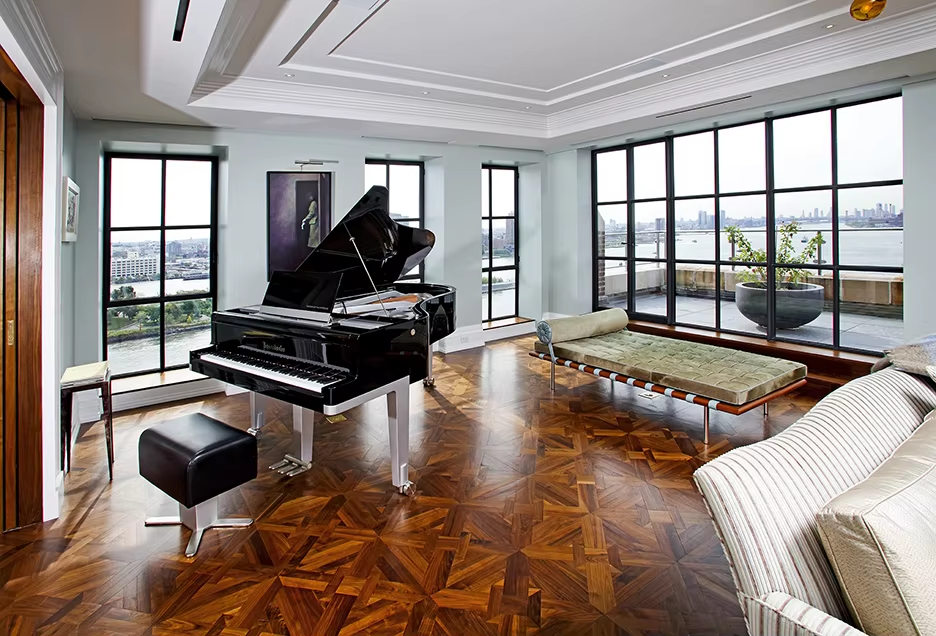
Which finishes are available for steel awning windows? The main choices are factory-applied paint systems, powder coating, and protective metal treatments, with the right option depending on appearance, exposure, and upkeep. When comparing commercial awning window frames, consider the whole assembly, not just the visible color: preparation, coating coverage, drainage, and hardware compatibility all influence the result.
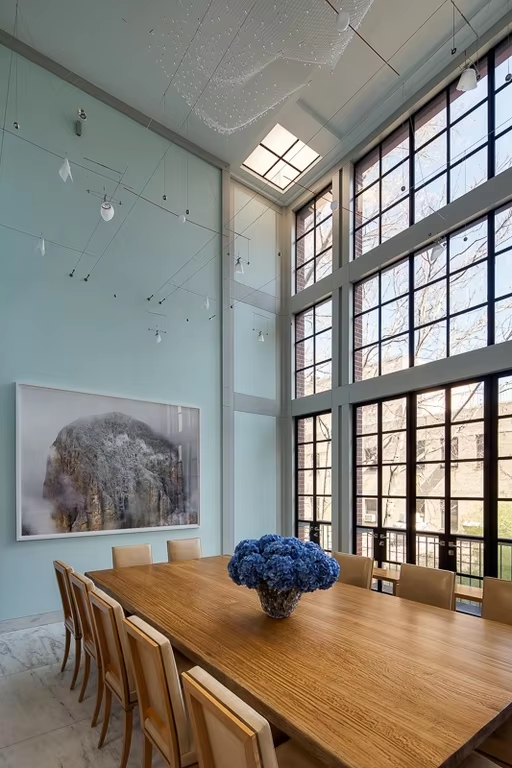
A finish protects the steel while shaping the window’s visual relationship with cladding, interior surfaces, and other metalwork. For steel awning windows, ask what coating system is offered, how it is applied, and which care instructions apply. Good awning window weatherproofing and sealing also depends on sound frame details, gaskets, and installation, rather than color or coating alone.
Available finish systems for steel frames
Powder coating and liquid-applied paint
Powder coating is a dry finish applied to prepared metal and cured to form a continuous surface. It is commonly specified for commercial awning window frames because it offers a consistent appearance across visible profiles and can be selected in a broad range of colors. Confirm available textures, gloss levels, and color-matching limits before approving samples.
Liquid-applied paint may be used where a project requires a particular coating system, finish appearance, or repair approach. Ask whether the coating is applied in a controlled factory setting and how edges, corners, and joints are treated. On commercial awning window frames, finish uniformity matters around operable sashes, where narrow profiles can make inconsistencies easy to notice.
Neither coating type should be judged by color alone. The substrate preparation, specified coating build, curing or drying process, and quality checks all affect the finished surface. For awning window weatherproofing and sealing, verify that coating does not obstruct drainage paths, compression seals, hinges, or locking points.
The choice also affects future touch-ups. Ask for written guidance on cleaning agents, acceptable repair materials, and how to address scratches without damaging adjacent surfaces. As part of steel window installation and maintenance planning, record the coating identification and care requirements so facilities teams can respond consistently.
Metal treatments and architectural appearance
Some projects consider metallic-looking coatings or protective metal treatments to achieve a distinctive architectural expression. The term can describe different processes, so request a clear specification rather than assuming that a visual effect represents a particular protective layer. For commercial awning window frames, confirm whether the treatment is suitable for the intended indoor or outdoor exposure.
A dark, matte, or textured finish can emphasize the slim geometry of steel, while a lighter color may sit more quietly against a façade. Review a physical sample in the project’s lighting and beside the selected cladding. Include finish compatibility in steel window installation and maintenance documents, especially when different materials meet at the opening.
Finish selection should not replace water-management design. Sealant joints, sill conditions, weep paths, and properly fitted gaskets remain essential to awning window weatherproofing and sealing. A coating protects surfaces, but it cannot correct gaps, poor drainage, or an incorrectly installed frame.
Choosing a finish for the project conditions
Exposure, operation, and cleaning demands
Start with the window’s location. Exterior frames exposed to rain, sunlight, airborne contaminants, or frequent washing need a finish specified for those conditions. For commercial awning window frames, consider exposure on each elevation, because a sheltered entrance and a wind-driven façade may face different maintenance demands.
Next, consider how often the sash will open and what the surrounding environment contains. Frequent operation places attention on hinges, handles, and contact points, while industrial or coastal atmospheres may call for closer review of the specified protection. Awning window weatherproofing and sealing should be assessed alongside these conditions, including gasket fit and the inspection access available.
Cleaning routines are another practical filter. If staff use strong chemicals or abrasive tools, confirm that the proposed finish and approved cleaning method are compatible. Include these instructions in steel window installation and maintenance records so routine cleaning does not unintentionally dull, scratch, or weaken the coating.
Color, coordination, and replacement planning
A sample helps teams judge color, sheen, and texture more accurately than a digital image. View it in daylight and interior lighting, and compare it with adjacent materials. When commercial awning window frames form a repeated façade element, confirm whether the project requires consistent appearance across different production batches or replacement units.
For renovations, existing frames and new sections may age differently, even when their original color codes match. Discuss batch variation and future touch-up expectations before finalizing the selection. Keep a labeled sample or finish reference with the project file to make later steel window installation and maintenance decisions more informed.
Color preference should remain secondary to documented suitability. A visually attractive finish is not automatically appropriate for every exposure, and a more elaborate appearance may need special care. Review coating recommendations together with awning window weatherproofing and sealing details so aesthetics and practical performance are considered as one specification.
Specifying and maintaining the selected finish
Information to confirm before approval
Ask for the finish name, application method, available color references, and stated use conditions. Clarify whether the specification covers the frame, sash, exposed edges, and accessories or only selected visible surfaces. For commercial awning window frames, these details prevent misunderstandings between design intent and the product delivered to site.
Request installation and care documents before procurement is complete. Confirm the approved cleaning method, inspection points, and procedures for handling damage during transport or construction. Include awning window weatherproofing and sealing requirements in the review, since coating decisions should work with—not interfere with—gaskets, joints, and drainage features.
A useful submittal should also identify any limitations on field repair and explain how to protect finished surfaces during installation. Record the accepted sample and finish reference with the window schedule. Clear records support later steel window installation and maintenance when replacement parts or local repairs are needed.
Care that preserves the intended appearance
Routine care usually begins with gentle cleaning and visual checks, following the product’s instructions rather than relying on a universal chemical or tool. Look for scratches, coating damage, blocked drainage, and loose or deteriorated seals. On commercial awning window frames, regular observation can help teams distinguish a surface issue from a hardware or water-management concern.
If damage appears, identify its cause before applying a repair product. A mark caused during installation may need a different response from wear at a moving contact point. Keep awning window weatherproofing and sealing in the same inspection routine, because intact finishes and functional seals address different parts of the opening’s protection.
Maintenance planning is most effective when it reflects actual exposure, cleaning schedules, and how the windows operate. Retain coating details, approved care methods, and repair records for the facilities team. This practical approach to steel window installation and maintenance helps preserve appearance while supporting informed decisions about future service.
FAQ
Which finish is most common for commercial projects?
Powder coating is a frequently specified option, but suitability depends on the project specification and exposure. Compare the offered system, sample, and care requirements for commercial awning window frames, and confirm how the finish works with awning window weatherproofing and sealing details.
Does a finish make a window waterproof?
No. A coating protects the frame surface, while water control also relies on correct installation, drainage, gaskets, and joints. Review awning window weatherproofing and sealing as part of the assembly, and follow the documented steel window installation and maintenance guidance.
How should a project team choose a frame color?
Compare physical samples with nearby materials and view them in relevant lighting. Then confirm that the finish is suitable for the exposure and that future care is practical. For commercial awning window frames, retain the approved reference and care information with project records.