 EN

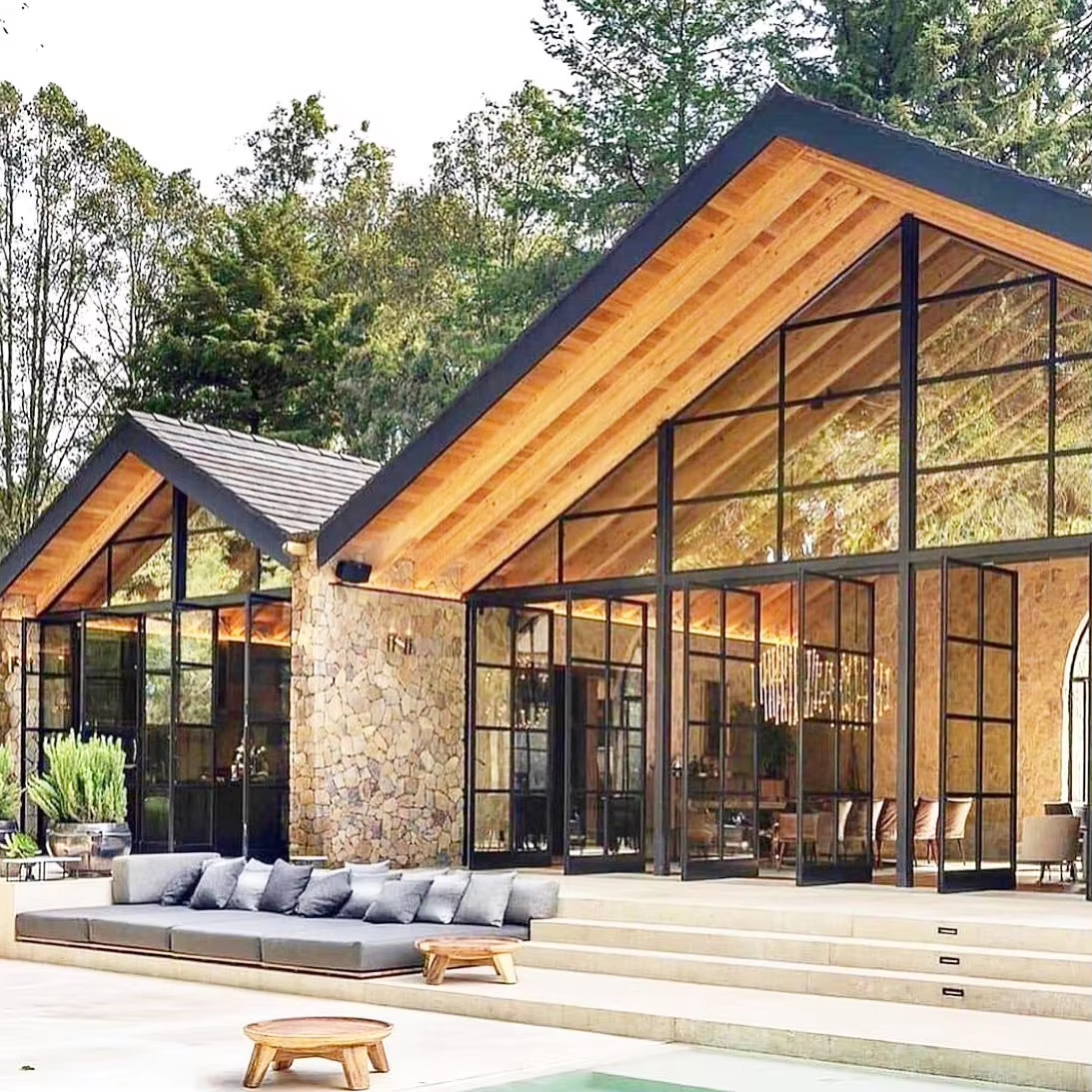
Professional steel window suppliers can offer several glass configurations, from single glazing in carefully defined renovation settings to insulated units designed for demanding new construction. The right choice depends on building use, energy goals, safety requirements, frame depth, and the appearance the project needs. Reviewing commercial steel windows specifications early helps align glass thickness and performance with the window system.
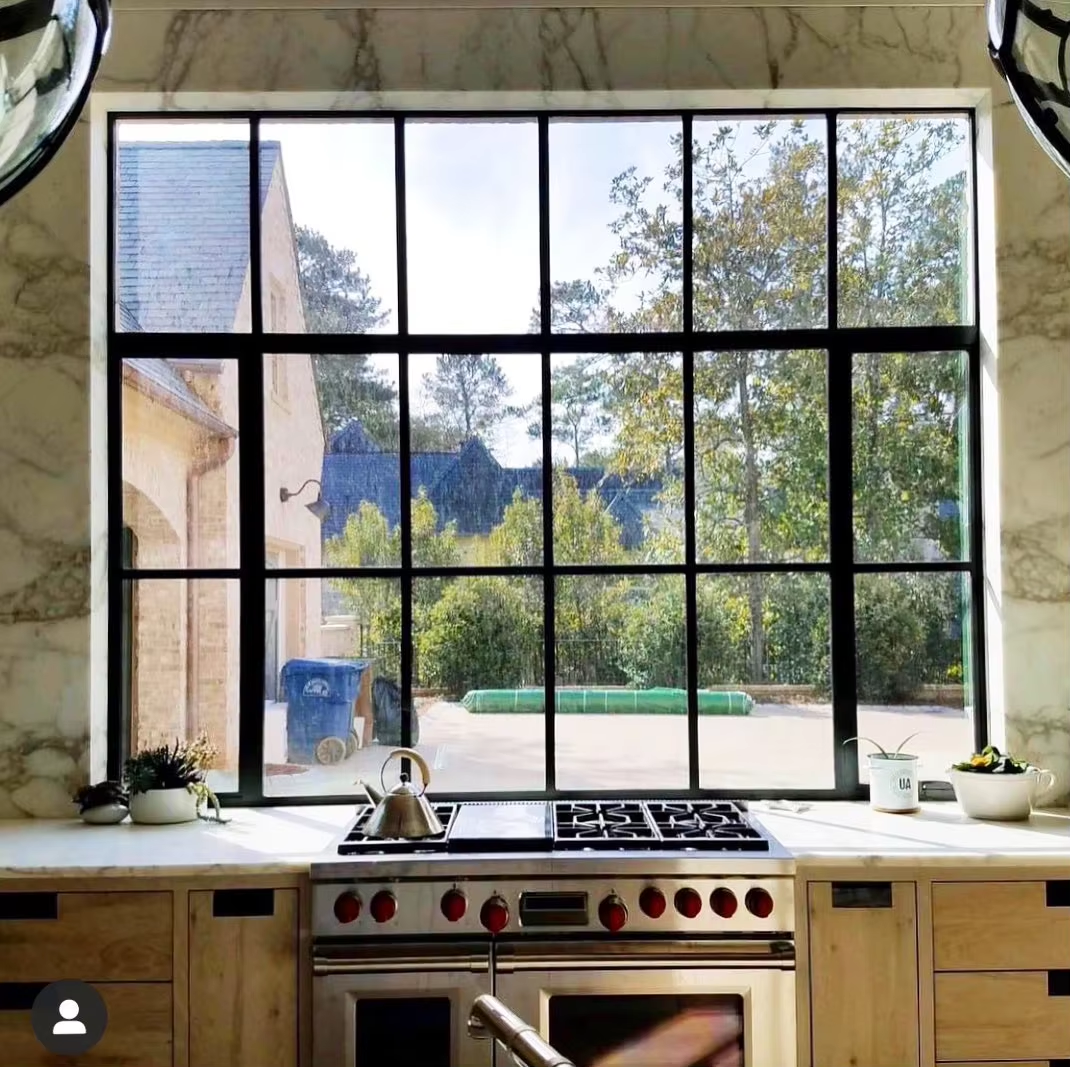
A useful comparison starts with how glazing layers, coatings, and frame profiles work together rather than treating glass as a stand-alone choice. Residential steel window installation costs can change with opening dimensions, access, and the selected glazing build-up, while industrial steel window frames durability depends on matching the assembly to exposure and use. These factors help narrow the available configurations before drawings are finalized.
Core glass configurations for steel windows
Single glazing and insulated glazing
Single glazing uses one pane and can suit interior partitions, protected spaces, or projects where existing openings and conservation constraints shape the design. For commercial steel windows specifications, clarify the intended location and thermal expectations before carrying a single-pane option into procurement. Residential steel window installation costs may also reflect whether the opening requires custom adaptation, and industrial steel window frames durability calls for checking how the exposed assembly will be maintained.
Insulated glazing units combine two or more panes separated by a sealed cavity. They are often considered where thermal comfort, condensation management, or outside noise matters, but the added thickness must fit the frame and glazing beads. Compare commercial steel windows specifications with the unit dimensions, then review residential steel window installation costs for any fitting changes. For industrial steel window frames durability, also confirm that seals and edge details suit the site conditions.
Laminated and toughened glass
Laminated glass bonds layers with an interlayer, helping retain fragments if the glass breaks. Toughened glass is heat-treated for increased strength and breaks into smaller pieces than ordinary annealed glass. The project brief should identify whether impact resistance, safe breakage behavior, or security is the priority. Document those needs in commercial steel windows specifications, consider their effect on residential steel window installation costs, and connect the selection to industrial steel window frames durability requirements.
These safety glass types are not interchangeable, and neither automatically resolves every hazard. Door-adjacent glazing, low-level panels, and exposed locations may have different requirements from high internal windows. Ask the design team to confirm applicable codes and glass markings before approval. This keeps commercial steel windows specifications clear, makes residential steel window installation costs easier to assess, and gives the project a sound basis for judging industrial steel window frames durability over the planned service period.
Configuration choices by project use
Commercial spaces and public-facing buildings
Offices, hospitality spaces, and retail projects often balance daylight, thermal comfort, privacy, and a slim sightline. Tinted, low-emissivity, or patterned glass may address specific design goals, but appearance and performance should be checked together. Set out the relevant commercial steel windows specifications, assess how each option affects residential steel window installation costs when similar details cross project types, and verify that industrial steel window frames durability is not compromised by unsuitable exposure assumptions.
Large glazed areas can increase solar gain or heat loss if the glass is poorly matched to orientation and building services. Consider the facade direction, shading, occupancy, and cleaning access before selecting coatings. Steel window suppliers can coordinate these details with mullion spacing and opening sections; a steel window suppliers can also be evaluated by the clarity of its configuration documentation. Keep commercial steel windows specifications, residential steel window installation costs, and industrial steel window frames durability in view as distinct project checks.
Homes, renovations, and industrial buildings
In homes, the desired character may favor narrow profiles and generous daylight, while comfort and condensation control still matter. Renovation openings can be irregular, so measured surveys should precede final glass orders. Discuss the room use and ventilation plan, then compare residential steel window installation costs against the full installation scope. Commercial steel windows specifications can inform performance checks, while industrial steel window frames durability remains relevant for homes exposed to coastal air or heavy weather.
Industrial sites may prioritize impact exposure, cleaning conditions, security, or compatibility with production spaces. Glass selection should follow a site risk review rather than assumptions based on building type alone. Specify the relevant commercial steel windows specifications where the facility has public areas, evaluate residential steel window installation costs only when residential-style details are part of the work, and focus industrial steel window frames durability on corrosion exposure, maintenance access, and expected operating conditions.
Selection and specification workflow
Confirm performance before choosing appearance
Start by defining the purpose of each opening, required safety behavior, thermal targets, acoustic needs, and privacy level. Then confirm frame capacity, glass thickness, opening method, and any coating or pattern. A concise brief can connect commercial steel windows specifications to tested assembly details, help clarify residential steel window installation costs, and set realistic expectations for industrial steel window frames durability. This prevents a visually attractive choice from conflicting with the building requirements.
Next, check whether the selected glass is available in the dimensions and edge treatment the design requires. Confirm the relationship between glass weight, hinges, hardware, and frame sections, especially for operable sashes. Request drawings that show glazing build-up and sightlines. Use commercial steel windows specifications to resolve performance questions, review residential steel window installation costs for installation allowances, and define how industrial steel window frames durability will be maintained after handover.
Coordinate installation and long-term care
Before ordering, verify site measurements, access routes, substrate condition, and tolerances around each opening. Installation details affect weather sealing and the finished appearance, so responsibilities should be agreed between project trades. Include these items in commercial steel windows specifications, account for survey and fitting work within residential steel window installation costs, and identify installation practices that support industrial steel window frames durability in the building's actual environment.
A complete selection also considers cleaning, seal inspection, coating care, and replacement access. The appropriate schedule depends on exposure and use; avoid assuming every glass or frame needs the same maintenance. Record approved glass types and finishes for future repairs. Clear commercial steel windows specifications aid service planning, transparent residential steel window installation costs help homeowners scope work, and documented industrial steel window frames durability considerations support facility maintenance decisions.
FAQ
Which glass option suits a thermally demanding building?
An insulated glazing unit is commonly assessed when heat transfer and comfort are important, subject to frame capacity and project targets. Confirm the full assembly in commercial steel windows specifications and include the likely fitting scope when reviewing residential steel window installation costs.
Does safety glass fit every steel window?
No. The location and risk determine whether laminated, toughened, or another compliant configuration is suitable. Confirm the requirement for each opening, then check industrial steel window frames durability against the exposure and maintenance plan rather than treating safety glass as a substitute for a suitable frame.
What should be confirmed before placing an order?
Approve surveyed dimensions, glass build-up, coatings, safety requirements, frame details, and installation responsibilities. Make sure commercial steel windows specifications match the drawings, residential steel window installation costs reflect the actual scope, and industrial steel window frames durability assumptions suit the site's conditions.