 EN

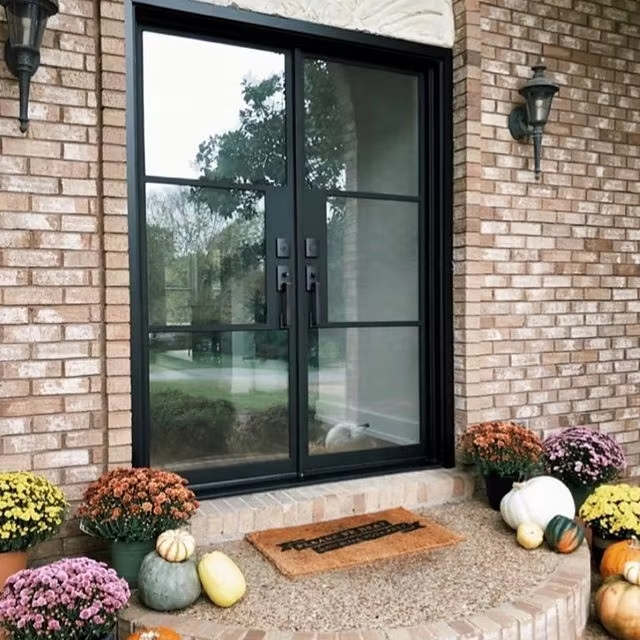
Choosing glass for thermal break steel doors means balancing heat flow, daylight, safety, appearance, and the conditions on both sides of the opening. The best option is not automatically the thickest or most complex glazing; it is the specification that suits the building, frame dimensions, exposure, and performance targets. Consider energy efficient door frames alongside the glass rather than treating the glazing as a separate decision.

For many exterior entrances, insulated double glazing is a practical starting point, while triple glazing may fit colder climates or higher energy targets when the frame and hardware are designed for its weight. Compare thermal insulation metal doors as complete assemblies, including glass, spacers, seals, and frame. Also assess condensation prevention steel entrance details, because indoor humidity and edge temperatures affect real-world comfort.
Set the glazing priorities for the entrance
Match the glass to climate and use
Start by identifying whether the door separates conditioned space from outdoors, a heated vestibule, or an unconditioned service area. That distinction changes the value of extra glazing layers. For energy efficient door frames at a frequently used public entrance, assess the full door system’s thermal performance and air leakage, not just the center-of-glass rating.
Double glazing uses two panes with a sealed cavity, often filled with an insulating gas, to reduce heat transfer compared with a single pane. It is widely adaptable, but edge conditions still matter. Specify thermal insulation metal doors with compatible glazing pockets, gaskets, and glass thickness so the door closes reliably and the insulated unit is properly supported.
Triple glazing adds a second cavity and can be useful where winter conditions are severe, indoor comfort targets are demanding, or the entrance sits in a high-performance envelope. Its added mass can affect hinges, closer selection, and operation. For condensation prevention steel entrance planning, ask how the glass edge and frame perform together rather than assuming another pane alone solves moisture.
Balance light, privacy, and appearance
Clear glass maximizes views and daylight, making it suitable for reception areas and entries where visibility supports wayfinding. Tinted or reflective glass can reduce glare and alter the exterior appearance, but may also change visible-light transmission and color perception. Energy efficient door frames should be paired with a glass choice that meets the project’s daylight and solar-control goals.
For offices, healthcare spaces, or street-facing facilities, translucent, patterned, or obscured glass can provide privacy while admitting useful light. Confirm that the selected finish is available in the required safety-glazing construction and does not conflict with signage or visibility needs. With thermal insulation metal doors, review a physical sample under the project’s actual interior and exterior lighting.
Choose coatings and pane construction
Use low-emissivity coatings purposefully
A low-emissivity, or low-E, coating limits radiant heat transfer through the glazing. Its location within a sealed unit and its solar properties should be selected for the climate and façade orientation. When specifying thermal insulation metal doors, compare whole-assembly data and confirm the coating choice with the energy model, especially where the entrance receives strong afternoon sun.
Solar-control coatings can reduce unwanted heat gain and glare, while other low-E configurations focus more on retaining indoor heat. These functions are not identical, so avoid choosing by coating name alone. Energy efficient door frames benefit when glass solar gain, visible light, and insulation are considered together; excessive tinting may reduce daylight without addressing air leakage around the door.
Ask the glazing supplier to identify the coating surface, unit build-up, spacer type, and applicable performance values in the proposed specification. Then check that the sealed unit fits the door manufacturer’s approved dimensions. Condensation prevention steel entrance details depend partly on warm edge spacers and sound perimeter sealing, but room humidity and ventilation remain important factors.
Specify safety glass for door locations
Because doors are impact locations, glazing must meet applicable safety-glazing requirements for the building and jurisdiction. Tempered glass is heat-treated to break into smaller pieces, while laminated glass uses an interlayer that helps hold fragments together after breakage. The appropriate construction depends on the hazard, code, security brief, and maintenance requirements.
Laminated glass can be considered where retaining the pane after breakage is important, while tempered glass may suit applications emphasizing impact resistance and a clean, frameless-looking appearance. Some insulated units combine different glass types on each side. For thermal break steel doors, confirm the glass make-up, edge cover, and retention method with the door system designer before ordering.
Acoustic needs may also guide pane selection, particularly near transport routes or noisy loading areas. Different pane thicknesses in an insulated unit can help address sound transmission, although results depend on the complete assembly and installation. Thermal insulation metal doors should therefore be assessed against the project’s acoustic target as well as thermal, safety, and visual requirements.
Coordinate glass with frame and site conditions
Check compatibility with the complete door
The glass specification must fit the frame’s glazing pocket, bead, gasket, and drainage approach. Confirm maximum unit thickness and weight, door leaf dimensions, hinge capacity, and closer requirements. A high-performing unit is not a good fit if it overloads the hardware or prevents dependable latching. Energy efficient door frames need robust perimeter seals and careful adjustment to limit drafts.
Review the project’s installation details, including the connection between frame and wall, sill drainage, and transitions to adjacent insulation. Thermal breaks reduce heat transfer through the metal profile, but they do not replace air and water management at the opening. For condensation prevention steel entrance performance, coordinate interior air sealing, exterior weather protection, and a continuous thermal layer.
In humid buildings, such as pools, kitchens, or washdown areas, indoor moisture can condense on cold surfaces even when suitable glazing is installed. Maintain appropriate ventilation and manage moisture sources, then consider glass edge temperatures and frame surface temperatures during design. Thermal insulation metal doors work best when the glazing and surrounding construction are specified for the actual indoor environment.
Make the final selection from project evidence
A useful submittal review compares the center-of-glass values with whole-door performance, verifies safety markings, and confirms the proposed unit’s dimensions and weight. Check coating orientation, privacy appearance, and warranty conditions too. For energy efficient door frames, request documented values for the assembled door where available, since frame area and edge effects influence overall performance.
In a mild climate with a modest energy target, well-specified double glazing may deliver an appropriate balance of comfort, daylight, and manageable door weight. A colder site or more demanding envelope may justify triple glazing if compatible hardware and frame capacity are available. Condensation prevention steel entrance measures should be reviewed in either case, including humidity, ventilation, and installation quality.
For a busy entrance, prioritize compliant safety glass, durable seals, and glazing that the door can operate smoothly. For a quiet office, give acoustic construction more weight; for a sun-exposed façade, assess solar control and glare. Thermal insulation metal doors are not a single glass product choice, but a coordinated specification matched to location, use, and verified assembly performance.
FAQ
Is double glazing sufficient for an exterior steel door?
Often, double glazing is a suitable starting point, but the right choice depends on climate, energy targets, door dimensions, and the complete assembly. Compare documented whole-door performance and confirm that the frame and hardware accept the selected unit.
Does triple glazing always prevent condensation?
No. Additional glazing can improve interior surface temperatures in some conditions, but condensation also depends on indoor humidity, ventilation, edge details, and installation. Review those factors together before changing the pane count.
Which glass is appropriate for a door with high impact exposure?
Select safety glazing that meets local code and the project’s hazard requirements. Tempered and laminated constructions behave differently after breakage, so confirm the required type and unit configuration with the design team.