 EN

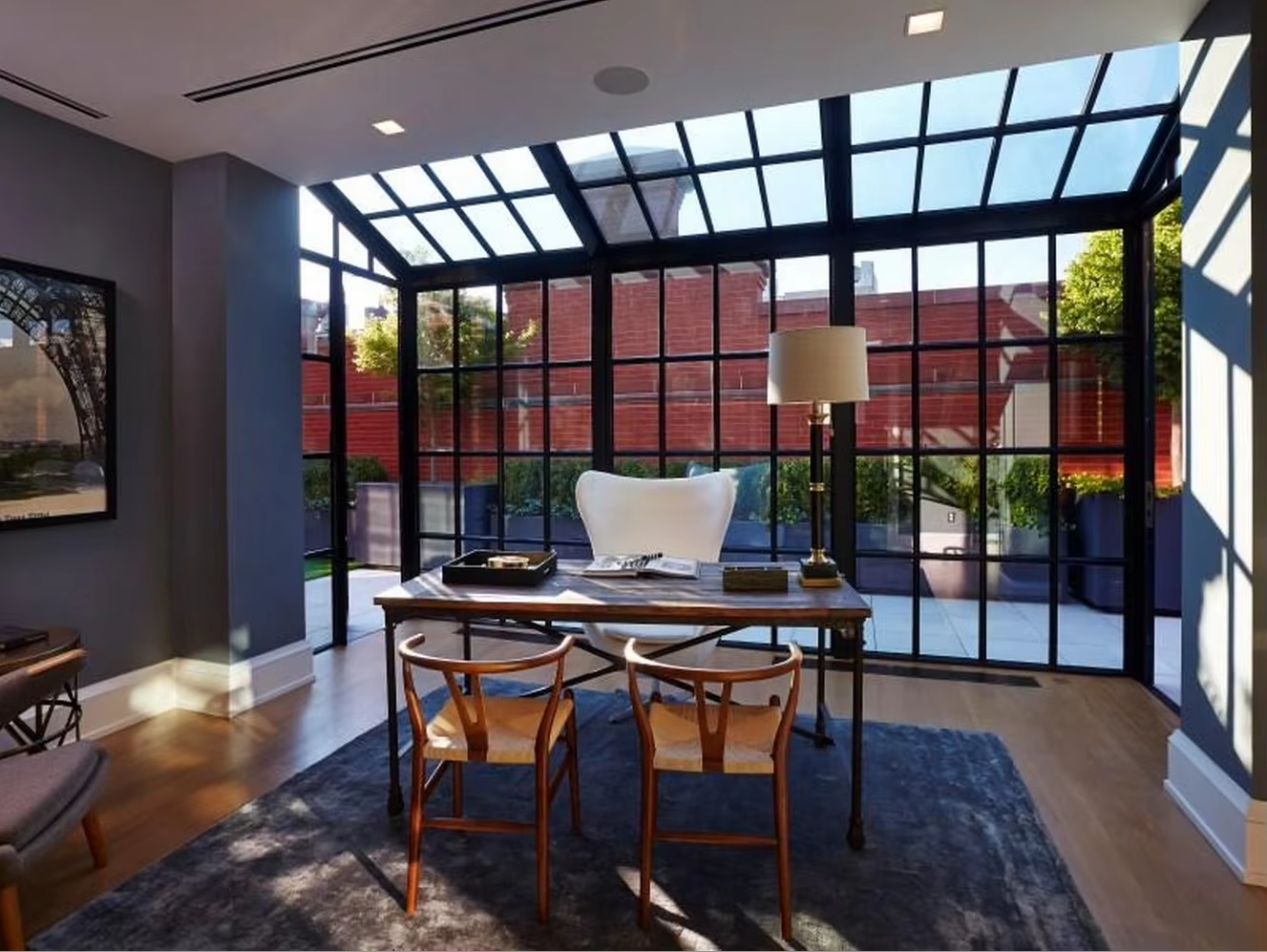
Choosing glazing for modern steel window frames means balancing appearance with thermal performance, safety, and the frame’s capacity. The right glass depends on the opening, climate, exposure, and how the building will be used. Thermal break steel windows can support insulated glazing, while contemporary industrial window design still benefits from slender sightlines and carefully selected glass.
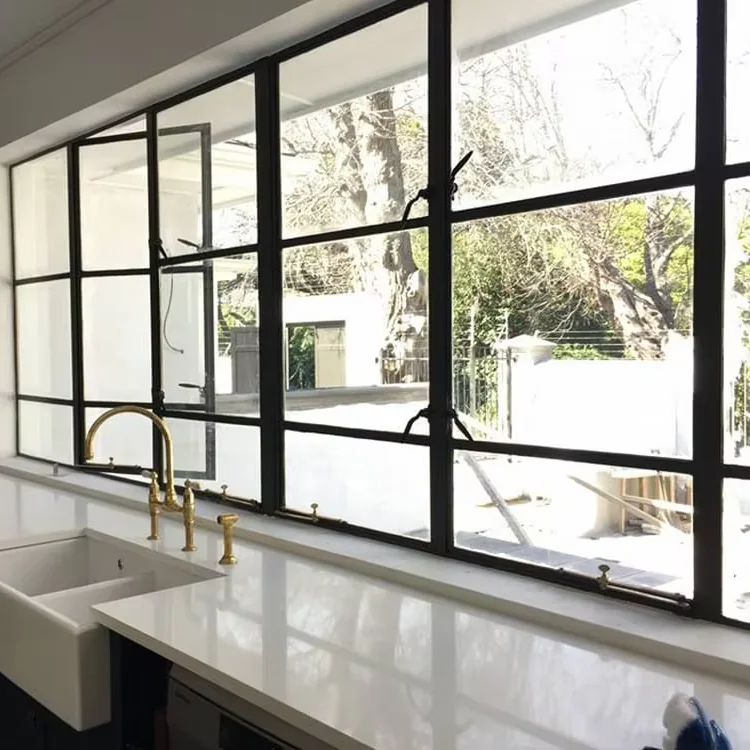
There is no single glazing build-up suited to every project. Start by checking the frame system’s approved glass thickness, support details, and performance documentation, then match those limits to the required comfort and safety levels. This approach helps connect thermal break steel windows, contemporary industrial window design, and steel window maintenance and durability to real project conditions.
Start with frame capacity and project requirements
Confirm the glazing pocket and support method
Before comparing glass types, confirm the glazing pocket depth, rebate width, gasket arrangement, and maximum unit weight. These dimensions determine whether a frame can receive a single pane, a sealed insulating unit, or laminated construction. Thermal break steel windows may be designed for a particular unit thickness, so verify the system details rather than assuming that a slim exterior profile accepts any glazing configuration.
Also establish whether the glass is supported on setting blocks, retained by beads, or secured through another tested method. A unit that fits the opening still needs correct edge clearance and continuous weather seals. Contemporary industrial window design depends on a neat frame-to-glass junction, but visual alignment should never replace the clearances and retention specified for the actual assembly.
Translate building needs into glass performance
List the conditions each opening must address: heat loss, solar gain, noise, impact risk, privacy, and daylight. A quiet office beside a busy road may need acoustic attention; a sun-exposed façade may need solar control; and an internal partition may prioritize visibility or safety. Steel window maintenance and durability also depend on keeping water away from vulnerable edges and preserving accessible seals.
These requirements should be coordinated instead of considered in isolation. Thermal break steel windows paired with suitable insulating glass can form part of a more efficient envelope, but the result also depends on installation, perimeter sealing, and adjacent wall construction. For a project exploring contemporary industrial window design, document both the intended sightline and the performance criteria before selecting a glass make-up.
Match glazing construction to the application
Use insulating glass where envelope performance matters
Insulating glass units combine two or more panes with a sealed cavity. They are commonly considered for exterior windows where reducing heat transfer and improving indoor comfort are priorities. When specifying thermal break steel windows, check the complete unit dimensions, cavity configuration, coatings, and compatible edge seals against the frame supplier’s documented limits.
A larger or heavier unit can affect handling, hardware, and frame loading, so confirm structural suitability for the opening size and local design conditions. The cavity and coatings should be selected for the project’s climate and orientation, not copied from another façade. Contemporary industrial window design can retain a crisp metal appearance while using insulating glass, provided the frame profile and glazing details are coordinated early.
Choose laminated or safety glass for exposure and use
Laminated glass holds fragments together when the glass breaks, which can be useful where impact, overhead glazing, or occupancy conditions call for retained integrity. Tempered glass is another safety option for appropriate applications, but the correct choice depends on applicable codes, pane location, and the consequences of breakage. Thermal break steel windows do not by themselves determine which safety glass is required.
Acoustic laminated glass may help address sound transmission, while tinted or coated panes can manage glare and solar exposure. Each option can change visible color, reflectance, weight, and cost, so review samples in the intended lighting. Steel window maintenance and durability benefit when edge protection, drainage, and seal compatibility are treated as part of the glass choice, not as later finishing details.
Coordinate details for lasting performance
Resolve condensation, drainage, and weather sealing
Condensation risk depends on indoor humidity, outdoor temperature, glass surface temperature, and the performance of the entire opening. Thermal break steel windows reduce the direct path for heat through the frame, but they cannot eliminate condensation caused by high indoor moisture or poor installation. Review the expected conditions and coordinate ventilation, frame design, and glazing with the project team.
Confirm that glazing gaskets, sealants, and drainage paths are suited to the assembly and exposed conditions. Water should not be trapped at the glass edge or allowed to collect inside the frame. Contemporary industrial window design often makes junctions visually prominent, so careful detailing can protect the appearance while making water management and future inspection practical.
Plan installation and ongoing care
Installation quality affects whether the selected glass performs as intended. Use trained glazing personnel, follow the frame and glass handling instructions, and check that units are set square without unintended edge pressure. For larger projects, record glass types and locations so later repairs can match safety, coating, and appearance requirements.
Routine inspection should look for damaged seals, blocked drainage, loose components, and signs of moisture at the glass edge. Clean with methods compatible with the glass coatings and frame finish. Steel window maintenance and durability depend on prompt attention to small defects, while a clear maintenance plan helps preserve the performance of thermal break steel windows over their service life.
For projects comparing system details, review modern steel window frames alongside approved glazing thicknesses and opening configurations. The product information can help start a discussion, but final suitability should be confirmed against project specifications, site exposure, and applicable regulations. That review keeps contemporary industrial window design grounded in buildable details.
FAQ
Can modern steel frames use double glazing?
Often, yes, when the frame system is designed and documented to accept the unit’s thickness and weight. Confirm the glazing pocket, seals, hardware, and installation method before specifying thermal break steel windows with an insulating unit.
Is laminated glass always necessary for steel windows?
No. The need depends on location, impact exposure, occupancy, and local safety requirements. A project may use laminated, tempered, or other compliant glass in different openings; contemporary industrial window design should follow the applicable risk assessment and code.
How should glazing choices affect maintenance planning?
Record glass specifications, inspect seals and drainage, and use compatible cleaning products. These steps support steel window maintenance and durability and make replacement easier if a pane is damaged. Ask the project team to include access and inspection needs in the final details.