 EN

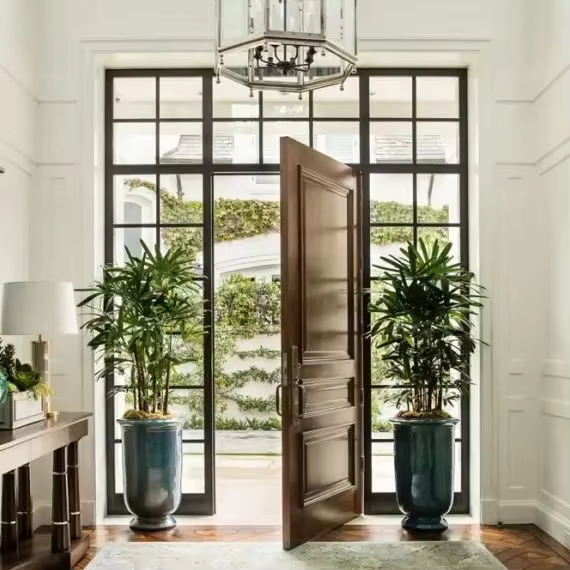
When evaluating steel window frames manufacturers, buyers should request evidence that the factory controls quality, welding, materials, and any regulated product testing relevant to the project. No single certificate proves that every window is suitable. The right review connects each document to the products, processes, and standards named in the contract.
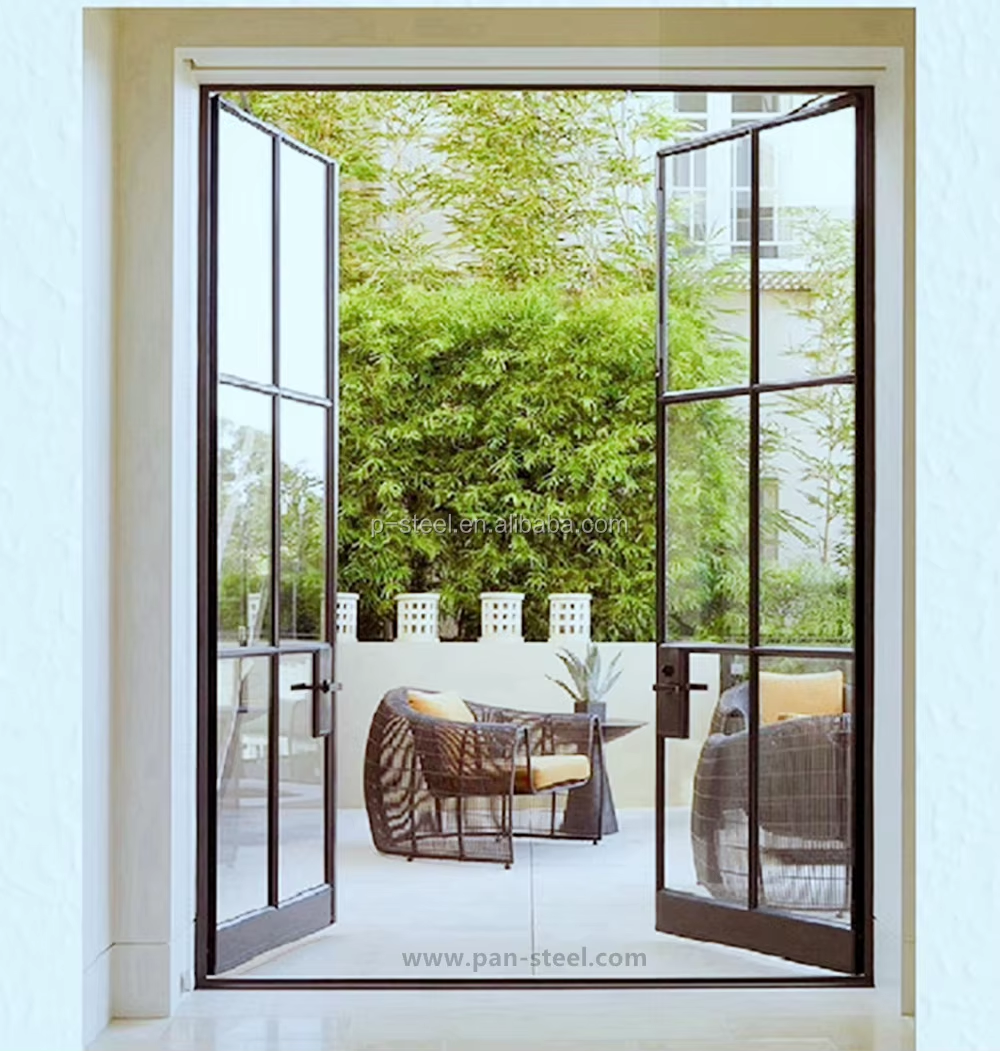
Start with the project’s jurisdiction, building type, and performance requirements, then request certificates and supporting records that address those conditions. Commercial steel window frame specifications, steel window frame installation and durability, and custom steel window frame designs for buildings all affect which evidence is useful; buyers should assess them together rather than treat a certificate as a substitute for technical review.
Core factory and process certifications
Quality management and manufacturing scope
Ask for a current quality management certificate, such as ISO 9001 where applicable, and check that its scope covers the facility and manufacturing activities producing the windows. For steel window frames manufacturers, this is evidence of a documented management system, not proof that a particular frame meets every drawing or performance target. Match the registered site and scope to the proposed production location.
Request the certificate issuer, validity dates, and a way to confirm authenticity. Then ask how the factory controls drawing revisions, incoming steel, dimensional checks, nonconforming work, and final inspection. Commercial steel window frame specifications should identify measurable acceptance criteria; the quality system should show how staff record and act on inspection results against those criteria.
Welding, materials, and protective finishes
Where welded joints are structural or important to assembly, ask whether welding procedures and personnel qualifications follow the standards specified for the project. ISO 3834 may be relevant to welding quality management, but its applicability depends on the contract and local requirements. Buyers should connect certificates to actual processes and components rather than assume a general factory credential covers every joint.
For corrosion protection, request coating system details, preparation records, and inspection results appropriate to the exposure environment. Steel window frame installation and durability depend on more than a coating certificate: drainage, edge treatment, site handling, and maintenance also matter. Ask how the proposed finish relates to the specified environment and whether test reports identify the same coating system and substrate.
Product compliance and document verification
Evidence for applicable building requirements
Determine which product standards and approvals apply where the windows will be installed. Depending on location and intended use, buyers may need declarations, test reports, or certification for characteristics such as air permeability, water tightness, wind resistance, fire performance, or thermal properties. Commercial steel window frame specifications should name the required values and test basis before a document is accepted as relevant.
Check that reports identify the tested model, dimensions, hardware, glazing, and configuration. A report for a similar-looking unit may not represent the ordered assembly. Custom steel window frame designs for buildings can change section geometry or opening arrangements, so request written confirmation of how tested evidence applies to the proposed design and where extrapolation is permitted.
Traceability and independent confirmation
Verify document numbers, issuing bodies, validity, and scope directly when possible. Confirm that the listed legal entity and factory match the contract, and ask for translations if reviewers need them. Steel window frames manufacturers should be able to explain which records belong to the product, which certify a management process, and which demonstrate a test result; these forms of evidence are not interchangeable.
Request material certificates or batch records for critical steel, plus inspection plans and sample production records where project risk warrants them. Keep the approved drawings, test evidence, and revision history together. This gives procurement and site teams a practical reference when commercial steel window frame specifications change during coordination or when a delivered frame needs to be checked.
Project-specific evidence for fit and installation
Connecting certificates to the ordered design
Before approval, compare certificate scope and product evidence with opening sizes, profiles, glass, hardware, finishes, and fixing details. Custom steel window frame designs for buildings may differ from standard tested configurations, so document each variation and its technical effect. Ask the design team and manufacturer to identify any revised calculations, tests, or approvals needed before production release.
A useful submittal package links the approved shop drawings to materials, quality checks, and applicable performance evidence. Steel window frames manufacturers should clarify which items are standard and which are project-specific. Buyers can then resolve gaps early, rather than discover that the certificate covers a different configuration after fabrication or during building-control review.
Installation records and ongoing durability
Certification alone cannot ensure correct site performance. Request installation instructions that address anchoring, tolerances, perimeter sealing, drainage, and coordination with the surrounding wall. Steel window frame installation and durability rely on details at the interface between frame and building, so the design team should confirm that instructions suit the actual substrate and sequence of construction.
Clarify who inspects installation, what evidence is retained, and how defects are reported and corrected. Commercial steel window frame specifications should distinguish factory acceptance from site acceptance. A handover record can include approved details, inspection notes, care guidance, and warranty terms without suggesting that any certificate guarantees service life under every exposure or maintenance condition.
For a final technical discussion, buyers can share the project’s requirements with steel window frames manufacturers and ask for a document matrix showing each requirement, evidence, and responsible reviewer. This makes missing information visible and helps procurement compare submissions against the same scope without relying on certificate count alone.
FAQ
Which certificate should buyers request first?
Begin with a current quality management certificate whose scope matches the manufacturing site, then identify product approvals required by the project location. Steel window frames manufacturers should also explain how their records connect to the ordered unit. Commercial steel window frame specifications define what those records need to demonstrate.
Does a quality certificate prove window performance?
No. A management-system certificate describes controlled processes, while product tests or approvals address specified performance. Ask for evidence applicable to the exact configuration, especially for custom steel window frame designs for buildings. Confirm the test basis and configuration before treating a report as relevant.
What installation evidence is worth retaining?
Keep approved fixing and sealing details, installation instructions, inspection records, and handover guidance. These records support steel window frame installation and durability by showing how the assembly was intended to be fitted and checked. Buyers should confirm responsibilities and acceptance criteria before site work begins.