 EN
EN

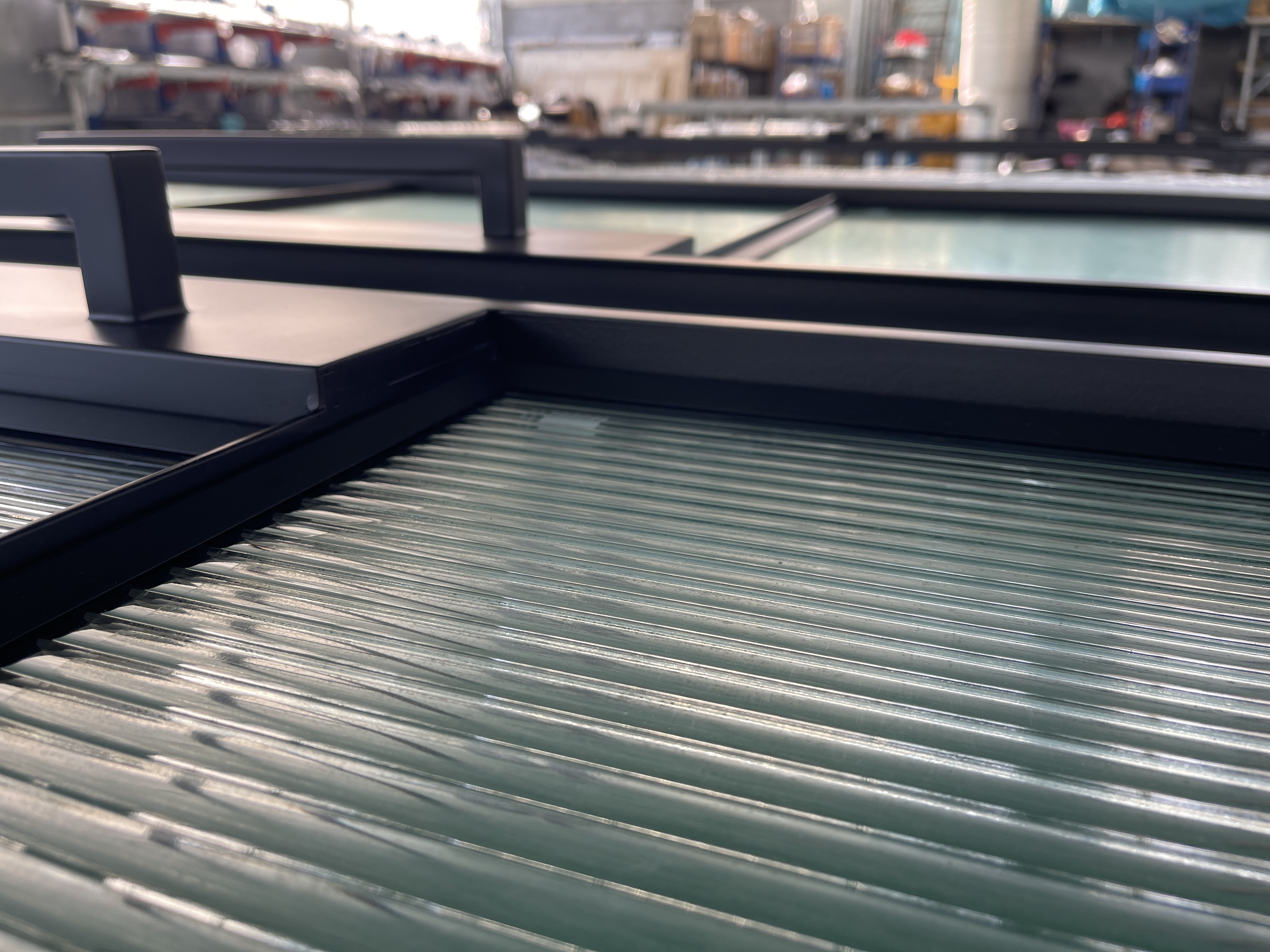
Selecting the right steel doors and windows requires careful evaluation of multiple technical and performance criteria. Steel doors and windows represent a significant investment in your building's structural integrity, energy efficiency, and aesthetic appeal. Whether you're working on a commercial renovation, industrial facility, or residential upgrade, understanding the key factors that influence steel doors and windows quality will help you make informed procurement decisions. Before placing your order, you need to assess material specifications, thermal performance, installation requirements, and long-term maintenance obligations.
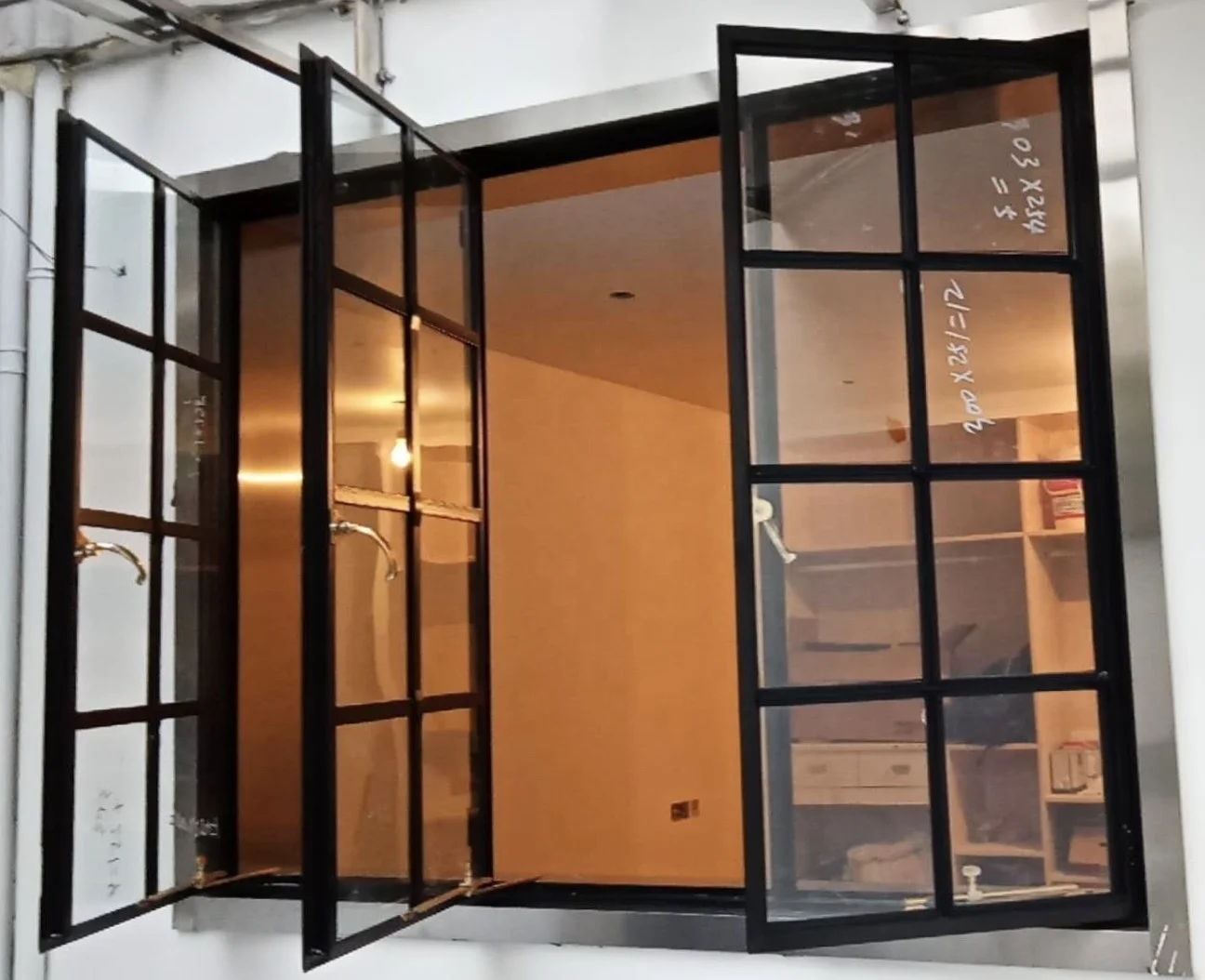
The process of ordering steel doors and windows involves more than simply selecting a frame style and glass type. Quality steel doors and windows demand attention to structural specifications, thermal properties, weatherproofing capabilities, and compliance with building codes. This guide walks you through the seven critical factors that should shape your purchasing decision when sourcing steel doors and windows for any project.
Material Grade and Steel Specification
Understanding Steel Quality Standards
The foundation of any reliable steel doors and windows installation starts with proper material selection. Steel doors and windows are manufactured from various grades, and understanding these differences is essential for ensuring durability and performance. Cold-rolled steel, hot-rolled steel, and stainless steel each offer distinct advantages depending on your environmental exposure and budget constraints. When evaluating steel doors and windows suppliers, request detailed material certifications that specify tensile strength, yield strength, and coating specifications. High-quality steel doors and windows typically use steel grades that meet ASTM or EN standards, ensuring consistent performance across all components.
Coating and Corrosion Resistance
The protective coating applied to steel doors and windows directly impacts their lifespan and maintenance requirements. Steel doors and windows exposed to coastal environments, industrial areas, or extreme weather conditions require enhanced corrosion resistance through galvanizing, powder coating, or specialized paint systems. Verify that steel doors and windows you order include adequate coating thickness measured in microns, typically 60–100 microns for outdoor applications. Some premium steel doors and windows incorporate hot-dip galvanizing or zinc-nickel plating, which provides superior long-term protection. Always request documentation confirming the corrosion resistance rating of your steel doors and windows before placing the order.
Thermal Performance and Energy Efficiency
Thermal Break Technology
Modern steel doors and windows increasingly incorporate thermal break technology to improve energy efficiency and reduce heating and cooling costs. Traditional steel doors and windows conduct heat readily due to steel's high thermal conductivity, but thermal break steel doors and windows integrate insulating materials between interior and exterior frame components. This barrier significantly reduces heat transfer through the frame itself, complementing the insulation value of the glass unit. When ordering steel doors and windows with thermal breaks, confirm the insulating material type, thickness, and whether the break extends through all frame members. Advanced steel doors and windows with thermal breaks can achieve U-values competitive with aluminum or vinyl alternatives.
Glass Specifications and Solar Control
The glass specification you select for your steel doors and windows dramatically affects overall thermal and solar performance. Steel doors and windows can be glazed with single, double, or triple-pane glass depending on climate zone and building energy codes. Low-emissivity (low-E) coatings on glass panes significantly improve thermal resistance in steel doors and windows, reducing unwanted heat gain in summer and heat loss in winter. When ordering steel doors and windows, specify the glass thickness, air gap between panes, and whether inert gas fills are included. Triple-tempered glass in steel doors and windows provides superior strength and safety compared to standard glass options.
Frame Dimensions, Tolerances, and Installation Compatibility
Accurate Dimensional Specifications
Precise frame dimensions are critical when ordering steel doors and windows to ensure proper fit within existing or new openings. Steel doors and windows must be measured to exact tolerances, typically ±2–3 millimeters depending on the manufacturer's specifications. Request detailed drawings showing face dimensions, frame depth, sill slope, and any special features like transom bars or muntins. Before finalizing your steel doors and windows order, verify that all measurements account for structural framing, waterproofing membranes, and exterior cladding systems. Dimensional errors in steel doors and windows procurement can result in expensive field modifications, water infiltration, and installation delays.
Structural Load Capacity and Wind Resistance
The structural performance of steel doors and windows must match or exceed the wind load requirements for your building's location and elevation. Steel doors and windows are engineered to withstand specific positive and negative wind pressures, which are determined by local building codes and site conditions. When ordering steel doors and windows, confirm that the frame profile, glass thickness, and fastening systems are rated for your design wind speed. High-rise applications and coastal environments typically require heavy-duty steel doors and windows with reinforced frames and specialized glazing systems. Always provide your supplier with local wind speed data and building code requirements when ordering steel doors and windows.
Weather Sealing, Water Drainage, and Weatherproofing Design
Drainage System Effectiveness
Effective water management within steel doors and windows is essential for preventing interior water damage and maintaining building envelope integrity. Steel doors and windows frames should incorporate internal drainage channels that direct moisture safely to the exterior, with multiple weep holes positioned at sill corners and vertical mullion locations. When ordering steel doors and windows, verify that the drainage system includes proper slope, internal gutters, and accessible clean-out provisions. Quality steel doors and windows designs separate external water from internal structure through compartmentalized frame geometry and strategic gasket placement. Request detailed drainage diagrams when ordering steel doors and windows to confirm the system meets your building's performance requirements.
Gasket and Weatherstripping Performance
The sealing system of steel doors and windows determines air infiltration rates and water resistance performance. Steel doors and windows typically use EPDM rubber, silicone, or polyurethane gaskets positioned in multiple locations around operable sash and frame perimeters. Premium steel doors and windows incorporate dual-stage gasket systems with compression seals and secondary water barriers for enhanced performance. When ordering steel doors and windows, confirm gasket durability ratings, UV resistance specifications, and replacement accessibility. High-performance steel doors and windows may include thermoplastic gaskets that maintain flexibility across wide temperature ranges, improving long-term seal integrity.
Compliance with Building Codes and Certifications
Testing Standards and Performance Ratings
Steel doors and windows must comply with applicable building codes and industry standards that vary by region, building type, and application. Before ordering steel doors and windows, confirm that products carry required certifications such as NFRC ratings for energy performance, ASTM air infiltration and water resistance ratings, and structural performance documentation. Commercial and institutional steel doors and windows often require fire-rated options certified to NFPA standards, which may necessitate special glazing and frame assemblies. Building officials and engineering consultants should review the proposed steel doors and windows specifications and certifications before procurement. Documentation of compliance for your steel doors and windows selection protects your project from code violations and ensures insurability.
Accessibility and Safety Requirements
Accessible design principles and safety regulations influence specifications for commercial and institutional steel doors and windows installations. Steel doors and windows used in accessible routes must meet ADA requirements for operating force, hardware design, and vision panel placement. Safety-critical applications may require laminated or tempered glass in steel doors and windows to prevent breakage and injury. When ordering steel doors and windows for public buildings or accessible facilities, coordinate specifications with accessibility consultants and safety engineers. Proper documentation of steel doors and windows safety features protects occupants and demonstrates regulatory compliance throughout the building's operational lifecycle.
Customization Options and Lead Times
Design Flexibility and Special Requirements
Custom configurations for steel doors and windows can address unique architectural or performance requirements but typically extend lead times and increase costs. Steel doors and windows manufacturers offer options for specialized frame profiles, custom colors, integrated hardware systems, and non-standard dimensions. When ordering steel doors and windows with significant customization, establish clear design specifications, approval processes, and manufacturing timelines in your purchase agreement. Complex steel doors and windows projects may require sample fabrication for color matching, thermal testing, or mockup validation before full production. Budget adequate lead time when ordering steel doors and windows with custom specifications to avoid project delays.
Production Capacity and Delivery Scheduling
Manufacturer production capacity and logistics coordination are practical considerations when ordering large quantities of steel doors and windows. Standard steel doors and windows may be available from inventory, while custom configurations typically require 6–12 week lead times depending on complexity and order volume. When ordering steel doors and windows, clarify production schedules, quality control checkpoints, and shipping arrangements with your supplier. Coordinate delivery timing with your installation schedule to avoid site storage issues and weather exposure. Establish contingency plans when ordering steel doors and windows to minimize project delays due to supply chain disruptions.
FAQ
What thermal performance should I expect from steel doors and windows with thermal breaks?
Steel doors and windows equipped with thermal break technology can achieve U-values ranging from 0.25 to 0.45 depending on frame depth, insulation material, and glass specifications. Triple-glazed steel doors and windows with low-E coatings and thermal breaks typically outperform standard aluminum windows and approach the efficiency of premium vinyl systems. Performance varies based on climate zone, orientation, and site-specific conditions, so request detailed NFRC ratings when ordering steel doors and windows to confirm suitability for your project requirements.
How often do steel doors and windows require maintenance and repainting?
Maintenance frequency for steel doors and windows depends on environmental exposure, coating quality, and material grade selected. Steel doors and windows in benign indoor environments may require only periodic cleaning and gasket inspection, while coastal or industrial steel doors and windows may need comprehensive maintenance every 3–5 years. High-quality coatings on steel doors and windows typically last 10–15 years before repainting becomes necessary, while unprotected or low-grade coatings may fail within 5 years. When ordering steel doors and windows, request maintenance guidelines and coating warranty information from manufacturers.
Can steel doors and windows meet energy efficiency standards in cold climates?
Yes, modern steel doors and windows with thermal breaks and triple glazing can meet or exceed energy code requirements even in severe cold climate zones. Steel doors and windows designed for cold climates typically feature thicker frame profiles, enhanced thermal breaks, and specialized triple-pane glass assemblies with inert gas fills. When ordering steel doors and windows for cold regions, coordinate specifications with energy consultants and verify compliance with local building energy codes. Performance testing and NFRC certification documentation should confirm that steel doors and windows selections achieve required U-values and solar heat gain coefficients for your climate.