 EN
EN

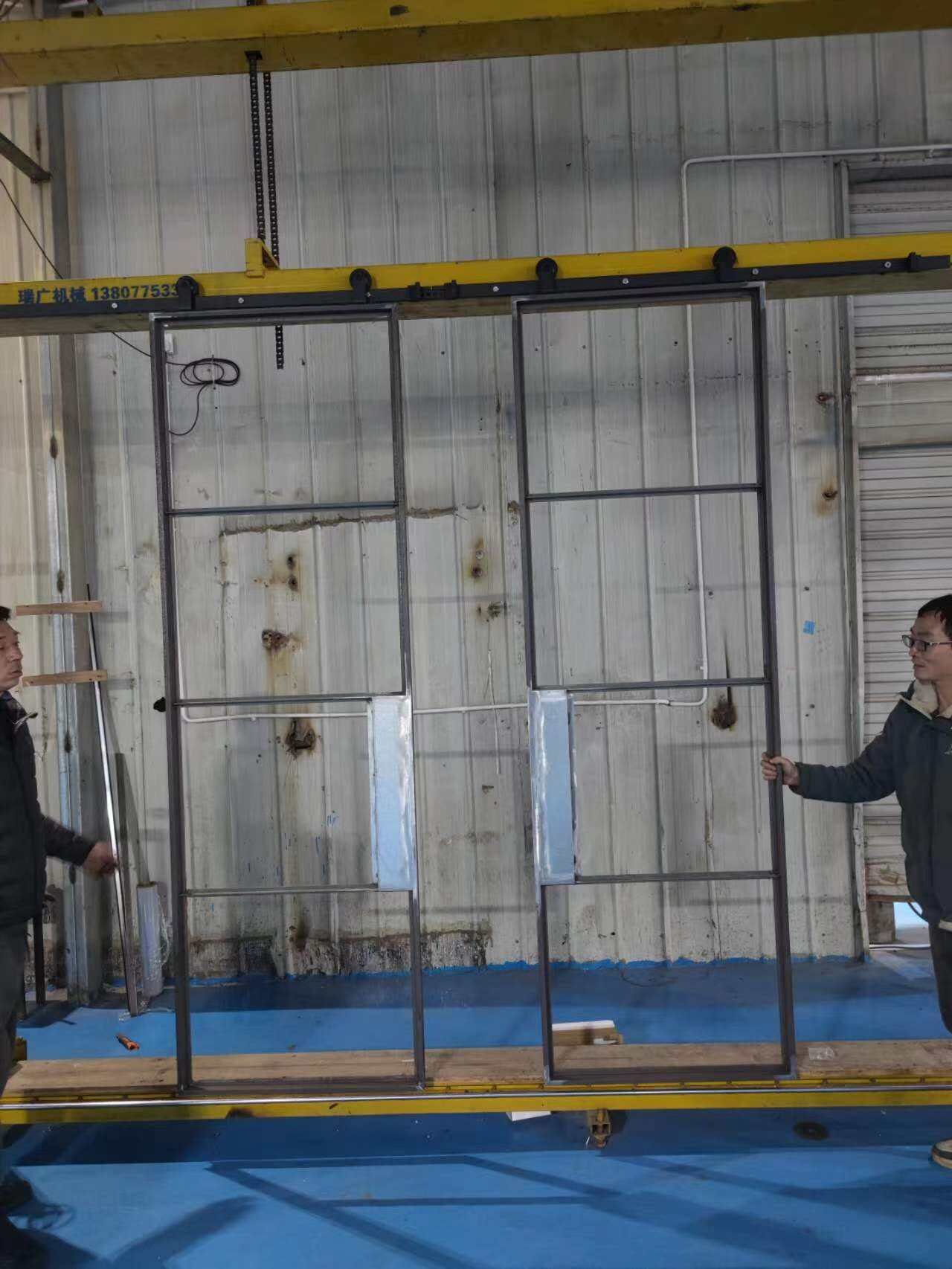
Industrial-style homes have gained tremendous popularity among homeowners seeking a blend of functionality and aesthetic appeal. These architectural designs often feature open floor plans, exposed structural elements, and raw materials that create a distinctive urban atmosphere. However, one common challenge faced by residents of industrial-style homes is maximizing space efficiency while maintaining the authentic design aesthetic. Traditional swing doors can consume valuable floor space and disrupt the clean, minimalist lines that define industrial interiors. This is where innovative solutions like steel barn door options become particularly valuable for modern homeowners looking to optimize their living spaces.
Understanding Space-Saving Solutions in Industrial Design
The Challenge of Traditional Door Systems
Conventional hinged doors require a significant arc of clearance space to operate properly, which can limit furniture placement and overall room functionality. In industrial-style homes where every square foot matters, this clearance requirement becomes a critical design consideration. The swing radius of a standard door typically extends 30 to 36 inches into the room, creating dead space that cannot be utilized for storage or living purposes. This limitation becomes even more pronounced in smaller industrial lofts and converted warehouse spaces where maximizing usable area is essential.
Additionally, traditional doors can create visual barriers that interrupt the flowing, open aesthetic that defines industrial design. The constant opening and closing of hinged doors can feel disruptive in spaces designed to promote seamless movement and visual continuity. Many homeowners find that conventional door systems clash with the streamlined, functional philosophy that industrial-style architecture embodies.
The Evolution of Sliding Door Technology
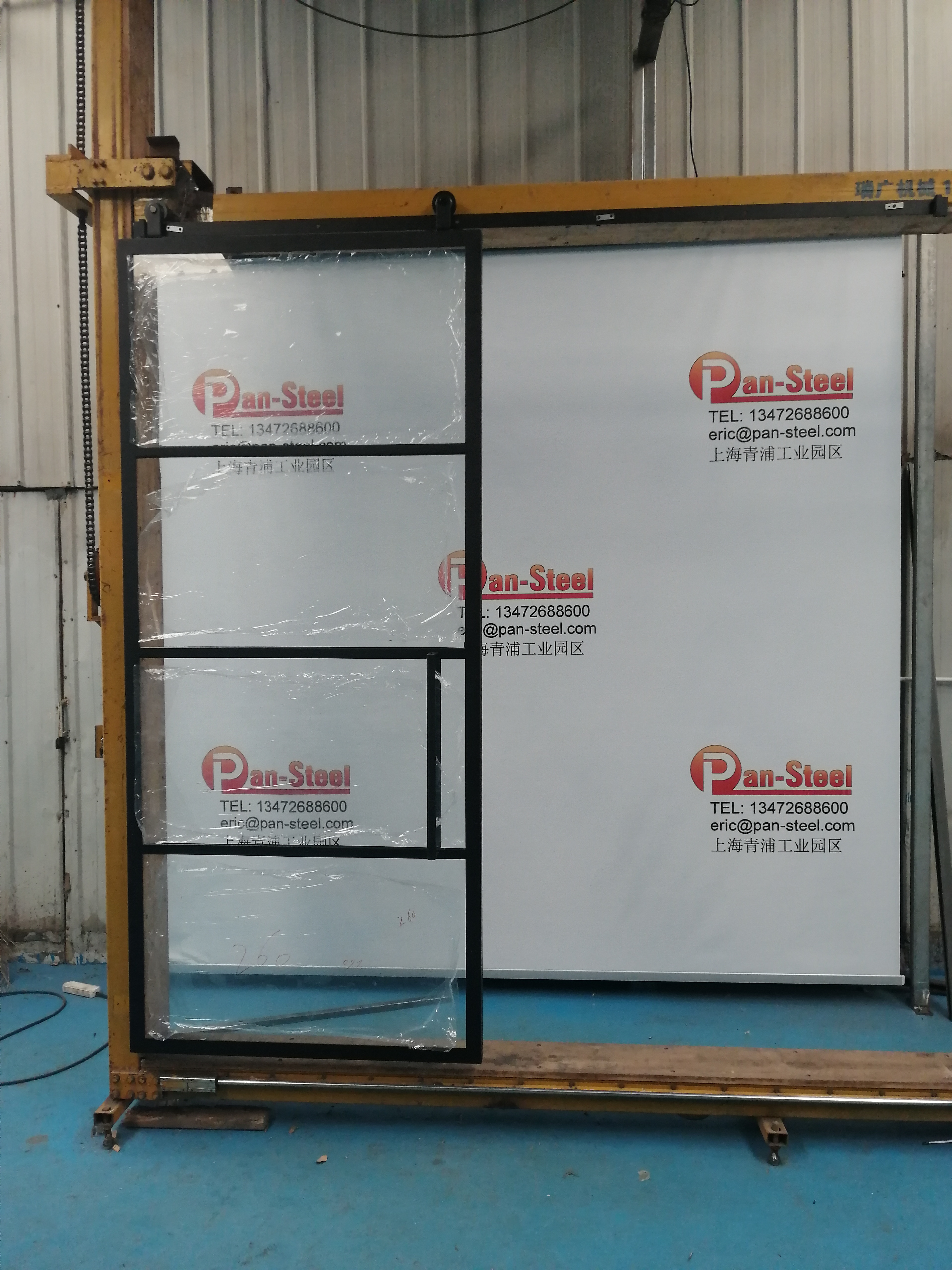
Sliding door mechanisms have evolved significantly from their agricultural origins to become sophisticated architectural elements suitable for residential applications. Modern steel barn door systems incorporate precision hardware, smooth-operating tracks, and durable materials that ensure reliable performance in high-use environments. These systems eliminate the space requirements associated with swing doors while adding a distinctive design element that complements industrial aesthetics.
The engineering behind contemporary sliding door systems focuses on weight distribution, smooth operation, and long-term durability. High-quality track systems can support substantial door weights while maintaining effortless sliding motion. This technological advancement has made steel barn door installations practical for various residential applications, from room dividers to closet doors and privacy screens.
Architectural Benefits of Steel Barn Door Integration
Maximizing Floor Plan Efficiency
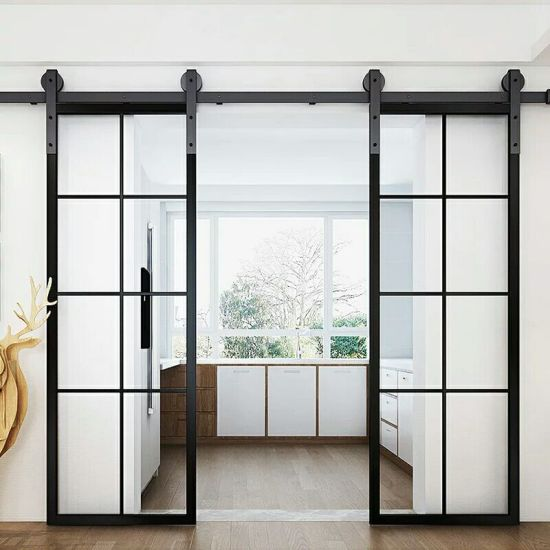
The installation of a steel barn door system can immediately reclaim valuable floor space that would otherwise be consumed by traditional door swing patterns. This recovered area can be utilized for furniture placement, storage solutions, or simply to create a more spacious feeling within the room. In industrial-style homes where clean lines and uncluttered spaces are paramount, this space optimization becomes a significant advantage.
The sliding mechanism allows doors to move parallel to walls, effectively eliminating the three-dimensional space requirements of hinged systems. This arrangement enables homeowners to position furniture closer to doorways and create more flexible room layouts. The improved space utilization directly translates to better functionality and increased living comfort in industrial-style environments.
Enhancing Visual Continuity
Steel barn door systems contribute to the seamless visual flow that characterizes well-designed industrial spaces. When open, these doors slide completely out of the way, creating unobstructed sight lines and maintaining the open-concept feel that many industrial homeowners desire. The steel barn door becomes an architectural feature that enhances rather than disrupts the overall design narrative.
The material composition and finish options available in modern steel barn door systems allow for perfect integration with existing industrial design elements. Raw steel finishes, powder-coated surfaces, and weathered textures can complement exposed beams, concrete floors, and metal fixtures commonly found in industrial-style homes. This material harmony creates a cohesive design environment that feels authentic and purposeful.
Technical Considerations for Steel Barn Door Installation
Structural Support Requirements
Proper installation of a steel barn door system requires adequate structural support to handle the weight and operational forces involved. The track mounting system must be securely anchored to structural elements capable of supporting both the static weight of the door and the dynamic loads created during operation. Professional assessment of wall framing, beam locations, and load-bearing capacity ensures safe and reliable installation.
Modern steel barn door hardware typically includes heavy-duty brackets, reinforced track systems, and precision-engineered rollers designed to distribute weight evenly across mounting points. These components work together to create a stable, long-lasting installation that can withstand regular use without compromising structural integrity or operational smoothness.
Hardware Selection and Quality Considerations
The performance and longevity of a steel barn door system depend heavily on the quality of hardware components used in the installation. Premium track systems feature ball-bearing rollers, corrosion-resistant finishes, and precision-machined components that ensure smooth operation over extended periods. Investing in high-quality hardware reduces maintenance requirements and provides superior user experience.
Hardware selection should consider factors such as door weight, frequency of use, environmental conditions, and aesthetic preferences. Stainless steel components offer excellent corrosion resistance, while powder-coated finishes provide durability and color options. The track design should accommodate the specific door dimensions and weight requirements while providing adequate clearance for smooth operation.
Design Applications in Industrial-Style Homes
Room Division and Privacy Solutions
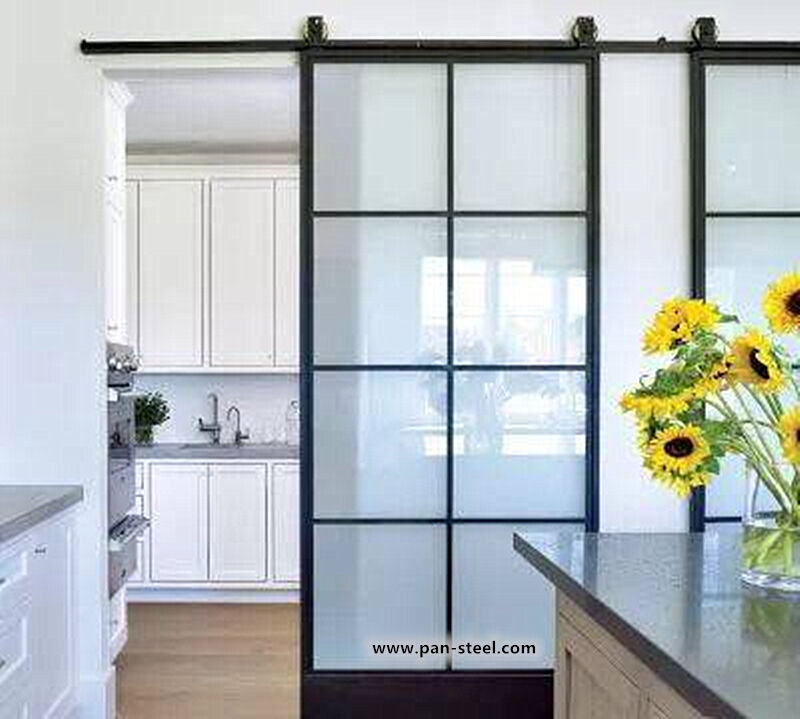
Steel barn door systems excel at creating flexible room divisions in open-concept industrial spaces. These doors can separate work areas from living spaces, provide privacy for bedrooms, or create temporary partitions for multi-functional rooms. The ability to slide doors completely out of the way when full openness is desired makes them ideal for spaces that need to adapt to different uses throughout the day.
The steel construction provides excellent sound dampening properties compared to lighter door materials, making steel barn door options effective for creating quiet zones within open floor plans. This acoustic performance is particularly valuable in industrial-style homes where hard surfaces like concrete and steel can amplify sound transmission.
Storage and Closet Applications
Industrial-style homes often feature exposed storage solutions and minimal built-in cabinetry, making efficient closet and storage access crucial for maintaining organized living spaces. Steel barn door systems provide excellent solutions for closet doors, pantry access, and storage room entrances. The sliding mechanism eliminates the clearance space required for traditional closet doors, allowing for more efficient storage organization and easier access.
The durability of steel construction makes these doors particularly suitable for high-use storage applications where frequent opening and closing is expected. The robust hardware systems can handle the repeated stress of daily use while maintaining smooth operation and reliable performance over time.
Material Properties and Performance Characteristics
Durability and Longevity Factors
Steel barn door construction offers exceptional durability compared to wood or composite alternatives, making these systems ideal for high-traffic residential applications. The inherent strength of steel provides resistance to warping, cracking, and dimensional changes that can affect other door materials over time. This dimensional stability ensures consistent operation and maintains proper fit within the door opening throughout the life of the installation.
The corrosion resistance of properly finished steel components ensures long-term performance even in challenging environmental conditions. Modern finishing techniques including powder coating, galvanizing, and specialty protective coatings provide excellent protection against moisture, humidity, and atmospheric contaminants that could compromise door performance or appearance.
Maintenance and Care Requirements
Steel barn door systems require minimal maintenance when properly installed and finished. Regular cleaning with appropriate products maintains appearance and prevents buildup of contaminants that could affect operation. The track system benefits from periodic lubrication of moving components and inspection of mounting hardware to ensure continued safe operation.
The robust nature of steel construction means that these door systems typically require less frequent repair or replacement compared to lighter materials. When maintenance is required, steel components can often be repaired or refinished rather than replaced, providing long-term cost advantages for homeowners.
Cost Considerations and Investment Value
Initial Investment Analysis
The upfront cost of a quality steel barn door system reflects the premium materials and precision hardware required for reliable performance. While the initial investment may exceed that of conventional door systems, the long-term value proposition includes durability, functionality, and aesthetic benefits that justify the additional expense for many homeowners.
Cost factors include door construction materials, hardware quality, installation complexity, and any necessary structural modifications. Professional installation ensures proper function and safety while protecting the investment through correct mounting and adjustment procedures. The total cost should be evaluated against the space-saving benefits, improved functionality, and enhanced aesthetic appeal provided by the system.
Long-Term Value and Return on Investment
Steel barn door installations can contribute to increased property value through improved functionality and enhanced aesthetic appeal. The space-saving benefits and distinctive design elements appeal to potential buyers interested in industrial-style architecture and efficient use of living space.
The durability and low maintenance requirements of steel barn door systems provide ongoing value through reduced replacement and repair costs over the system's lifespan. This long-term reliability makes the initial investment more attractive when evaluated over the expected service life of the installation.
FAQ
What weight capacity do steel barn door track systems typically support?
Most quality steel barn door track systems are designed to support doors weighing between 150 to 400 pounds, depending on the specific hardware configuration and mounting system used. Heavy-duty commercial-grade systems can support even greater weights when properly installed with adequate structural support. The key is matching the track system capacity to the actual door weight while maintaining smooth operation.
How much wall space is required above the door opening for track installation?
Steel barn door track systems typically require 6 to 8 inches of clear wall space above the door opening for proper track mounting and door clearance. This measurement includes the track height, mounting hardware, and adequate clearance for the door to slide smoothly without interference. Ceiling height and structural considerations may affect these requirements in specific installations.
Can steel barn door systems be installed on curved or angled walls?
Standard steel barn door track systems are designed for straight, level installations and are not suitable for curved or significantly angled walls. However, specialized curved track systems are available for unique architectural applications, though these require custom engineering and significantly higher costs. Most residential applications benefit from straight track installations that provide optimal performance and reliability.
What maintenance schedule is recommended for steel barn door systems?
Steel barn door systems benefit from monthly visual inspections of track alignment and hardware condition, with quarterly cleaning of track surfaces and annual lubrication of moving components. The door surface should be cleaned as needed based on environmental conditions and use patterns. Professional inspection every few years ensures continued safe operation and can identify any issues before they become major problems.
Table of Contents
- Understanding Space-Saving Solutions in Industrial Design
- Architectural Benefits of Steel Barn Door Integration
- Technical Considerations for Steel Barn Door Installation
- Design Applications in Industrial-Style Homes
- Material Properties and Performance Characteristics
- Cost Considerations and Investment Value
- FAQ