 EN
EN
Luxury estates demand exceptional security solutions that combine robust protection with sophisticated aesthetics. When property owners seek the perfect balance between elegance and fortification, wrought iron doors consistently emerge as the premier choice for discerning homeowners. These architectural elements represent more than mere entry points; they serve as statements of refined taste while delivering uncompromising security performance that modern estates require.
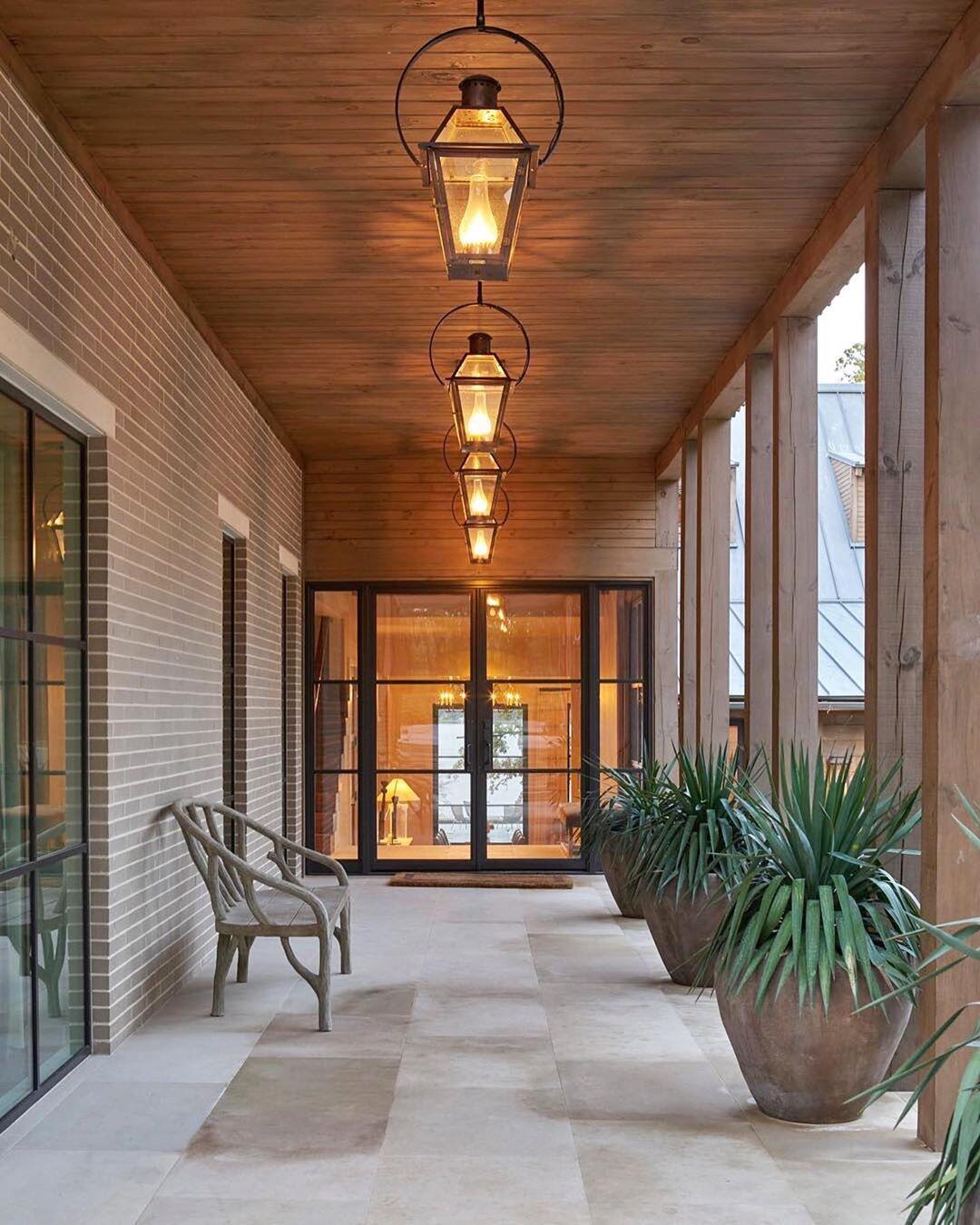
The evolution of luxury home security has witnessed various materials and designs, yet wrought iron doors maintain their position as the gold standard for estate protection. Their unique combination of strength, customization potential, and timeless appeal makes them indispensable for properties where security cannot be compromised without sacrificing visual sophistication. Understanding why these doors have become synonymous with luxury estate security requires examining their multifaceted advantages and practical applications in contemporary residential design.
Unmatched Structural Integrity and Security Features
Superior Material Composition and Durability
The foundation of wrought iron doors' security prowess lies in their exceptional material composition. Unlike conventional door materials, wrought iron possesses inherent strength characteristics that make unauthorized entry extremely challenging. The metal's density and malleability during manufacturing allow craftsmen to create intricate designs while maintaining structural integrity that can withstand significant force applications.
Modern wrought iron doors incorporate advanced metallurgical techniques that enhance their natural durability. The forging process creates a grain structure that distributes stress evenly across the door's surface, preventing weak points that intruders might exploit. This structural uniformity ensures that wrought iron doors maintain their protective capabilities over decades of use, making them cost-effective long-term security investments for luxury estates.
Weather resistance represents another crucial aspect of wrought iron doors' durability profile. Premium versions feature specialized coating systems that protect against corrosion, UV damage, and temperature fluctuations. These protective treatments ensure that the doors' security performance remains consistent regardless of environmental conditions, making them suitable for estates in diverse climatic zones.
Advanced Locking Mechanisms and Hardware Integration
Contemporary wrought iron doors accommodate sophisticated locking systems that complement their inherent security advantages. Multi-point locking mechanisms distribute securing force across multiple contact points, creating a barrier system that significantly exceeds traditional single-point locks' effectiveness. These systems often incorporate deadbolts, hook bolts, and compression bolts that engage simultaneously when activated.
Smart lock integration has revolutionized how wrought iron doors function in modern security ecosystems. Biometric scanners, keypad entry systems, and smartphone-controlled locks can be seamlessly incorporated into wrought iron door designs without compromising their aesthetic appeal. This technological integration allows estate owners to maintain traditional elegance while benefiting from cutting-edge security features.
The robust construction of wrought iron doors provides an ideal foundation for heavy-duty hardware installation. Reinforced mounting points can support substantial locking mechanisms that would overwhelm lighter door materials. This capability enables the installation of commercial-grade security hardware that transforms residential entries into fortress-like barriers when necessary.
Aesthetic Versatility and Architectural Integration
Customizable Design Elements and Artistic Expression
Wrought iron doors offer unparalleled customization opportunities that allow estate owners to create unique security solutions that reflect their personal aesthetic preferences. The material's workability enables artisans to craft intricate patterns, decorative elements, and architectural details that transform functional security barriers into artistic masterpieces. This versatility ensures that security measures enhance rather than detract from a property's visual appeal.
Traditional design motifs can be seamlessly integrated into wrought iron doors to complement existing architectural styles. From classical European influences to contemporary minimalist approaches, these doors can be crafted to harmonize with any design philosophy. The ability to incorporate family crests, geometric patterns, or nature-inspired elements makes each installation truly unique.
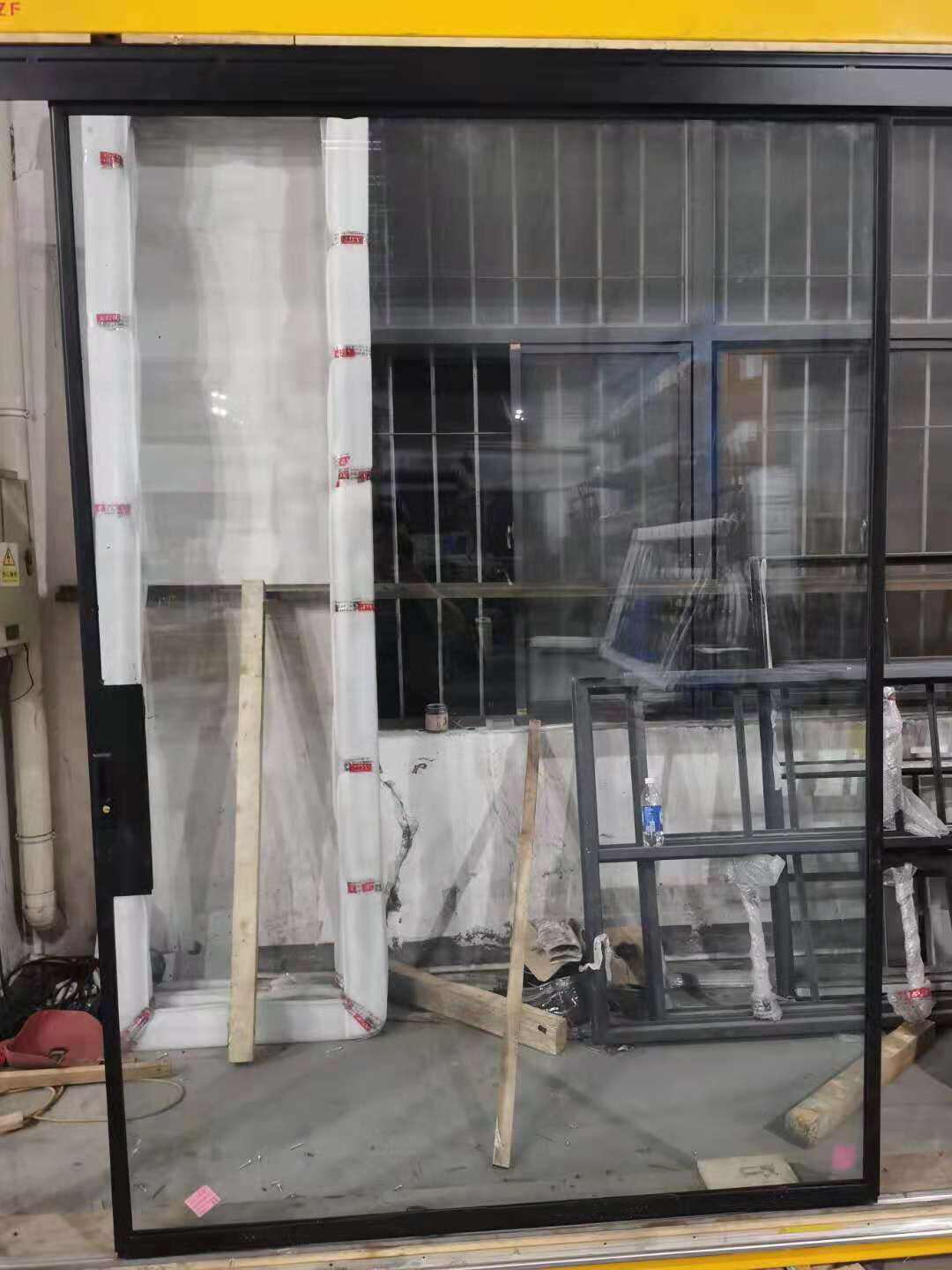
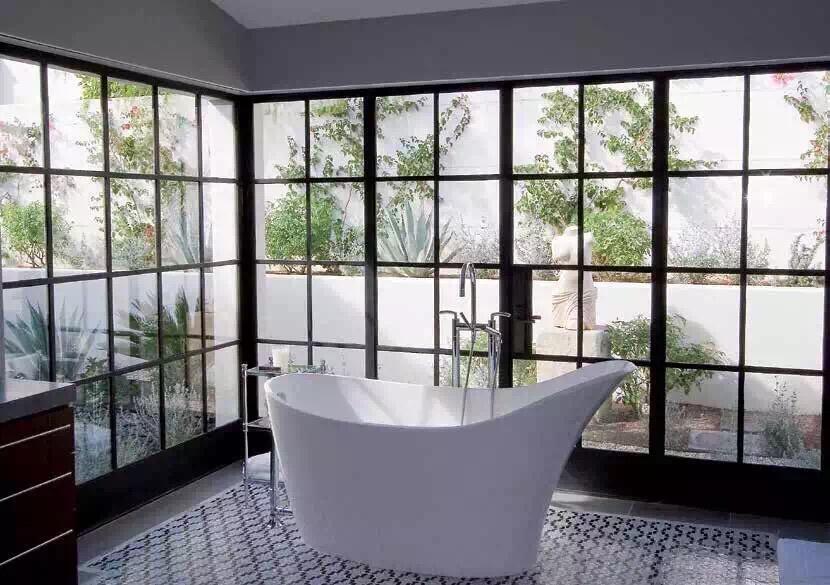
Glass integration possibilities further expand the design potential of wrought iron doors. Strategic placement of decorative or privacy glass panels can create visual interest while maintaining security integrity. Tempered or laminated glass options provide additional protection while allowing natural light penetration, creating inviting entrances that don't appear fortress-like despite their security capabilities.
Compatibility with Various Architectural Styles
The adaptability of wrought iron doors to different architectural contexts makes them suitable for diverse luxury estate styles. Mediterranean villas, contemporary mansions, traditional colonial homes, and modern minimalist designs can all benefit from appropriately styled wrought iron entrance solutions. This versatility ensures that property owners don't need to compromise their architectural vision to achieve optimal security.
Scale considerations play a crucial role in successful wrought iron door integration. Large estate entrances can accommodate grand double-door configurations with elaborate decorative elements, while more intimate residential settings might benefit from simpler single-door designs. The ability to adjust proportions, detail density, and overall complexity ensures appropriate visual balance regardless of installation context.
Color customization through advanced coating systems allows wrought iron doors to complement or contrast with existing exterior color schemes. Traditional black remains popular for its timeless elegance, but modern finishing techniques enable virtually any color specification. Bronze, copper, pewter, and even custom color matches ensure perfect integration with established design palettes.
Long-term Value and Investment Benefits
Cost-effectiveness Over Extended Ownership Periods
While wrought iron doors require significant initial investment, their long-term cost-effectiveness becomes apparent through extended ownership periods. The durability characteristics that make these doors excellent security solutions also contribute to their exceptional longevity. Properly maintained wrought iron doors can function effectively for decades without requiring replacement, making them economically advantageous compared to alternatives that need periodic renewal.
Maintenance requirements for quality wrought iron doors are minimal compared to other premium door materials. Periodic cleaning, inspection, and touch-up coating applications typically suffice to maintain both appearance and function. This low-maintenance profile reduces long-term ownership costs while ensuring consistent security performance throughout the door's service life.
Insurance considerations often favor properties equipped with robust security features like wrought iron doors. Many insurance providers offer premium reductions for homes with demonstrated security improvements, as these features reduce theft and vandalism risks. The potential insurance savings can offset a portion of the initial door investment over time.
Property Value Enhancement and Market Appeal
Luxury real estate markets consistently recognize wrought iron doors as valuable property features that enhance overall estate appeal. These installations signal quality, security consciousness, and aesthetic sophistication to potential buyers, contributing to higher property valuations. The perceived value addition often exceeds the door installation cost, making wrought iron doors profitable improvements.
Market differentiation becomes increasingly important in competitive luxury real estate environments. Properties featuring distinctive wrought iron doors stand out in listings and marketing materials, attracting buyers specifically seeking unique security and aesthetic features. This differentiation advantage can accelerate sale processes and support premium pricing strategies.
The timeless appeal of wrought iron doors ensures they won't become dated as design trends evolve. Unlike trendy materials or styles that may appear outdated within years, well-designed wrought iron doors maintain their relevance across decades. This enduring appeal protects property owners' investments while ensuring continued market desirability.
Installation Considerations and Professional Requirements
Specialized Installation Expertise and Techniques
Proper installation of wrought iron doors requires specialized knowledge and equipment that distinguish this process from standard door installations. The substantial weight and precise alignment requirements demand experienced professionals who understand the unique challenges associated with heavy-duty security door mounting. Professional installation ensures optimal performance and longevity while maintaining warranty coverage.
Structural assessment represents a critical preliminary step in wrought iron door installation planning. The supporting framework must adequately handle the door's weight and operational stresses over extended periods. Professional installers evaluate existing structures and recommend reinforcements when necessary, ensuring safe and reliable door operation.
Hardware integration during installation requires precise alignment and adjustment to achieve smooth operation and optimal security performance. Professional installers understand the tolerances and adjustment procedures necessary to ensure that locking mechanisms, hinges, and closing systems function correctly. This expertise prevents common issues that can compromise security or operational convenience.
Customization and Manufacturing Lead Times
The bespoke nature of luxury wrought iron doors necessitates extended manufacturing lead times that estate owners must consider in project planning. Custom design development, fabrication, finishing, and quality control processes typically require several weeks or months depending on complexity and manufacturer capacity. Early planning ensures that door delivery aligns with construction or renovation schedules.
Design consultation phases involve detailed discussions about aesthetic preferences, security requirements, and architectural integration needs. Professional manufacturers guide clients through material selections, finish options, hardware choices, and dimensional specifications to ensure final products meet all expectations. This collaborative approach prevents costly changes or delays during manufacturing.
Quality control procedures during manufacturing ensure that completed wrought iron doors meet specified performance and aesthetic standards. Reputable manufacturers implement comprehensive inspection protocols that verify dimensional accuracy, finish quality, hardware function, and structural integrity before delivery. These procedures minimize installation complications and ensure customer satisfaction.
Maintenance and Longevity Optimization
Preventive Maintenance Protocols and Schedules
Establishing regular maintenance schedules maximizes the lifespan and performance of wrought iron doors while preserving their security capabilities. Professional maintenance programs typically include periodic cleaning, lubrication, adjustment, and inspection procedures that prevent minor issues from developing into costly problems. These proactive approaches ensure consistent door operation and appearance.
Cleaning protocols for wrought iron doors focus on removing environmental contaminants that could promote corrosion or compromise protective coatings. Appropriate cleaning solutions and techniques preserve finish integrity while removing dirt, salt, and other potentially harmful substances. Regular cleaning also maintains the doors' aesthetic appeal, ensuring they continue enhancing property appearance.
Hardware maintenance involves lubrication of moving components, adjustment of alignment parameters, and replacement of wear items as needed. Professional maintenance services understand the specific requirements of different hardware types and can identify potential problems before they affect door operation or security performance. This expertise ensures reliable long-term function.
Protective Coating Systems and Renewal Procedures
Advanced protective coating systems play crucial roles in wrought iron door longevity and appearance preservation. Modern coating technologies provide superior protection against corrosion, UV damage, and mechanical wear while maintaining attractive finishes. Understanding coating characteristics and renewal requirements helps estate owners optimize their maintenance investments.
Coating renewal schedules depend on environmental conditions, exposure levels, and coating types used in original manufacturing. Professional assessment services can evaluate coating condition and recommend appropriate renewal timing to prevent deterioration. Proactive coating renewal maintains both protective performance and aesthetic appeal throughout the door's service life.
Application techniques for coating renewal require specialized equipment and expertise to achieve professional results. Proper surface preparation, coating application, and curing procedures ensure renewed protection meets original performance standards. Professional coating services provide warranty coverage and quality assurance that DIY approaches cannot match.
FAQ
How do wrought iron doors compare to steel doors in terms of security?
Wrought iron doors generally provide superior security compared to standard steel doors due to their thicker construction and more robust hardware mounting capabilities. While both materials offer excellent strength, wrought iron's forged structure creates more uniform strength distribution and better resistance to impact damage. Additionally, wrought iron doors typically accommodate heavier-duty locking systems and reinforcements that enhance overall security performance beyond what standard steel doors can support.
What factors influence the cost of custom wrought iron doors?
Several factors determine wrought iron door pricing, including size specifications, design complexity, hardware selections, and finish requirements. Larger doors require more materials and labor, while intricate decorative elements increase fabrication time and expertise requirements. Premium hardware components, specialized locking systems, and advanced protective coatings add to overall costs. Geographic location, manufacturer reputation, and installation complexity also influence final pricing for custom wrought iron door projects.
How long does the manufacturing and installation process typically take?
The complete process from initial consultation to final installation usually requires 6-12 weeks depending on design complexity and manufacturer capacity. Design development and approval phases typically consume 2-3 weeks, while fabrication requires 4-6 weeks for standard designs and potentially longer for highly complex custom work. Installation scheduling depends on site preparation requirements and installer availability, usually requiring 1-2 days for completion once the door arrives on-site.
Can wrought iron doors be integrated with modern smart home security systems?
Modern wrought iron doors easily accommodate smart home security integration through compatible hardware and control systems. Electronic locks, access control panels, security cameras, and intercom systems can be seamlessly incorporated into wrought iron door designs without compromising their traditional aesthetic appeal. Many manufacturers now offer pre-wiring and mounting provisions for popular smart security devices, ensuring clean installations that maintain both functionality and visual elegance in luxury estate applications.