 EN

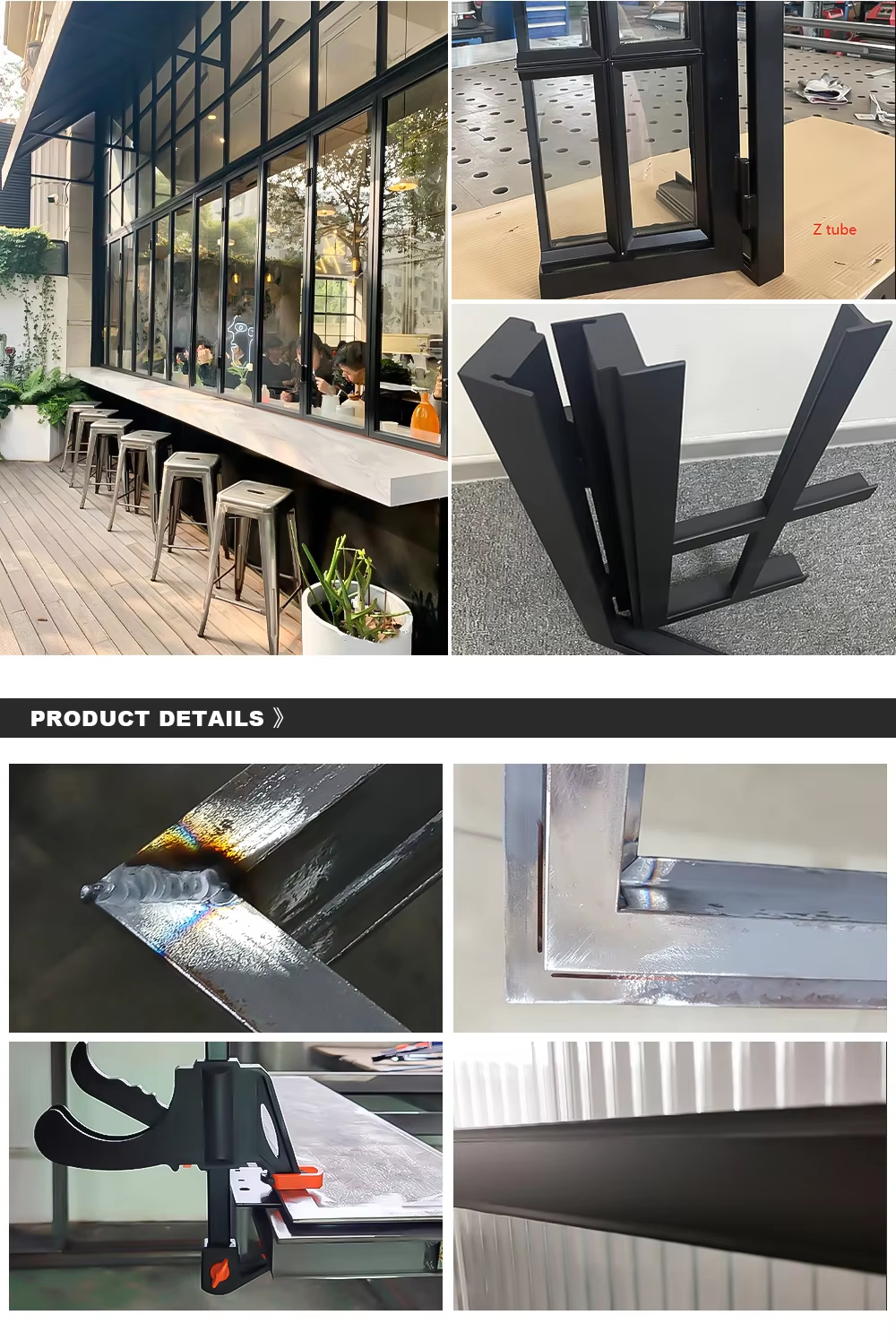
Yes, aluminium steel doors can meet modern security and design requirements when their materials, glazing, hardware, and installation are specified as one complete system. For commercial entrance doors, the choice is not simply between an attractive appearance and a secure opening. Project teams can align appearance with access needs, while assessing security door frames and weather-resistant door systems against the building’s actual conditions.
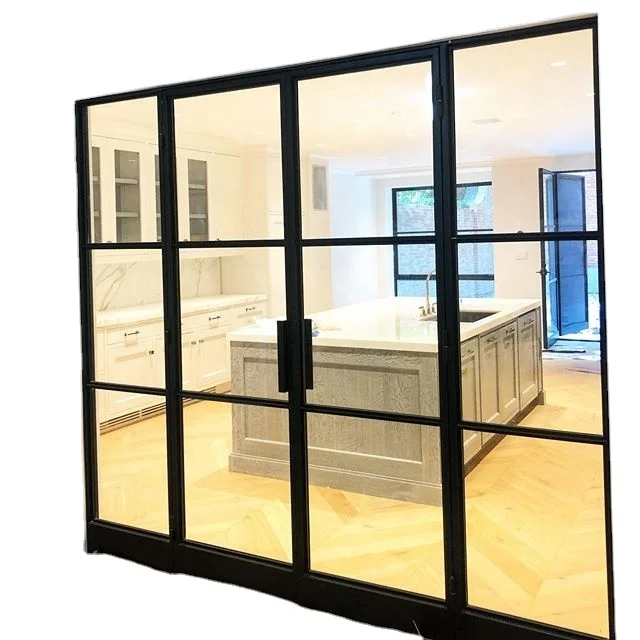
The practical answer depends on what the entrance must do: control access, stand up to frequent use, support a design concept, or separate indoor and outdoor environments. A well-planned specification considers the door leaf, frame, glass, locking points, seals, and the wall opening together. This systems approach helps commercial entrance doors serve everyday operations without treating security door frames or weather-resistant door systems as afterthoughts.
How the door system supports security and appearance
Coordinating the leaf, frame, and hardware
Security begins with the complete opening, not the door panel alone. In commercial entrance doors, the leaf, hinges, locks, frame, and the way the frame is anchored to the surrounding wall all affect how the entrance functions. Security door frames need to suit the door’s weight and expected use, with compatible hardware and a sound installation detail.
A strong-looking product is not automatically a tested security assembly, so buyers should request relevant documentation for the intended application. Confirm the locking arrangement, glazing specification, and any required resistance level rather than relying on material names. Security door frames should be reviewed alongside the opening substrate and fixing method; a mismatch can undermine the design intent and complicate installation.
Preserving architectural intent
Aluminium steel doors can combine a defined metal profile with glazing, grille details, or finish choices that suit a contemporary or traditional façade. Commercial entrance doors often sit in prominent locations, so sightlines, proportions, handle placement, and visibility matter as much as color. Weather-resistant door systems can also retain a considered appearance when seals and drainage details are integrated rather than added visibly at the end.
Design flexibility still needs practical limits. A decorative grille or larger glazed area should be checked against privacy, visibility, cleaning access, and the project’s security requirements. When specifying commercial entrance doors, coordinate the finish and hardware early, and verify that security door frames accommodate the selected leaf and glass. Weather-resistant door systems should be detailed to protect the threshold without making the entrance difficult to use.
Matching performance to the building environment
Accounting for exposure and daily traffic
An entrance facing wind-driven rain, changing temperatures, or a sheltered internal corridor has different demands. Weather-resistant door systems should be selected with exposure, thresholds, seals, drainage, and adjacent construction in mind. For commercial entrance doors at an exterior boundary, project teams should establish how water is managed at the sill and how the installation connects to the façade.
Traffic patterns matter as well. A busy reception entrance may cycle far more often than a secondary access point, affecting the choice of hinges, closers, handles, and maintenance intervals. Specify commercial entrance doors for their expected frequency of use, and check whether security door frames and hardware remain compatible with the chosen operating mode. Weather-resistant door systems require routine inspection of seals and moving parts to keep the assembly functioning as intended.
Balancing glazing, access, and comfort
Glazing can bring daylight into an entry and improve visibility, but its type and placement should respond to safety, privacy, and the required security level. Discuss glass build-up and retention with the project’s technical team instead of assuming every glazed configuration provides the same protection. Security door frames must support the selected glazing and preserve appropriate clearances, while commercial entrance doors should allow users to approach and operate the opening comfortably.
Weather-resistant door systems also depend on installation quality and the transition between the frame and building envelope. Clear drawings should show sill heights, seal locations, drainage paths, and interfaces with adjacent finishes. These details help prevent avoidable water ingress and make responsibilities clearer between trades. When aluminium steel doors are exposed to outdoor conditions, confirm the specified finish and care requirements for the project environment.
Specifying aluminium steel doors for real projects
Turning requirements into a useful specification
Start by documenting the entrance’s purpose, location, traffic, access control, and appearance requirements. Then identify which requirements need formal evidence, such as test reports, product data, or installation guidance. This lets teams evaluate aluminium steel doors against the project rather than a general product description, and helps distinguish essential performance needs from preferences.
For commercial entrance doors, include opening dimensions, handing, operating method, hardware, glazing, finish, and any access-control interfaces in the schedule. State how security door frames are to be fixed and what site conditions must be verified before installation. Weather-resistant door systems should be specified with suitable sealing and threshold details, not just a broad request for weather performance.
Managing procurement, installation, and maintenance
Before ordering, confirm that drawings, samples, and technical information reflect the same configuration. A product shown with one glass type or handle may be supplied differently unless those details are clearly recorded. Teams considering aluminium steel doors should verify the actual materials, finish, glazing, hardware, and application suitability for their project.
At installation, check that the opening is prepared correctly, the frame is aligned and securely fixed, and the door operates without binding. Keep installation instructions and care guidance accessible to the facilities team. Routine checks of closers, locks, seals, and finish condition support dependable service. Security door frames, commercial entrance doors, and weather-resistant door systems all benefit from planned upkeep that responds to actual use and exposure.
Ultimately, this door type can satisfy contemporary requirements when selection is evidence-led and the specification covers the entire opening. Design decisions should be reconciled with documented security needs, local code obligations, accessibility, and environmental exposure. With clear coordination from design through commissioning, aluminium steel doors can contribute to a secure, legible, and visually coherent entrance rather than functioning as an isolated product choice.
FAQ
Are aluminium steel doors suitable for a commercial entrance?
They can be suitable when the configuration matches expected traffic, access control, and project security needs. Confirm the complete assembly, including commercial entrance doors hardware, glazing, and security door frames, against the application.
What determines weather performance?
Exposure, seals, threshold design, drainage, frame installation, and maintenance all contribute. Specify weather-resistant door systems for the actual site conditions and review how the sill connects to the building envelope.
Can security and architectural style be addressed together?
Yes, but the design must be coordinated with verified assembly details. Align commercial entrance doors appearance with the glass, locks, and frame, and confirm that security door frames support the intended configuration.