 EN

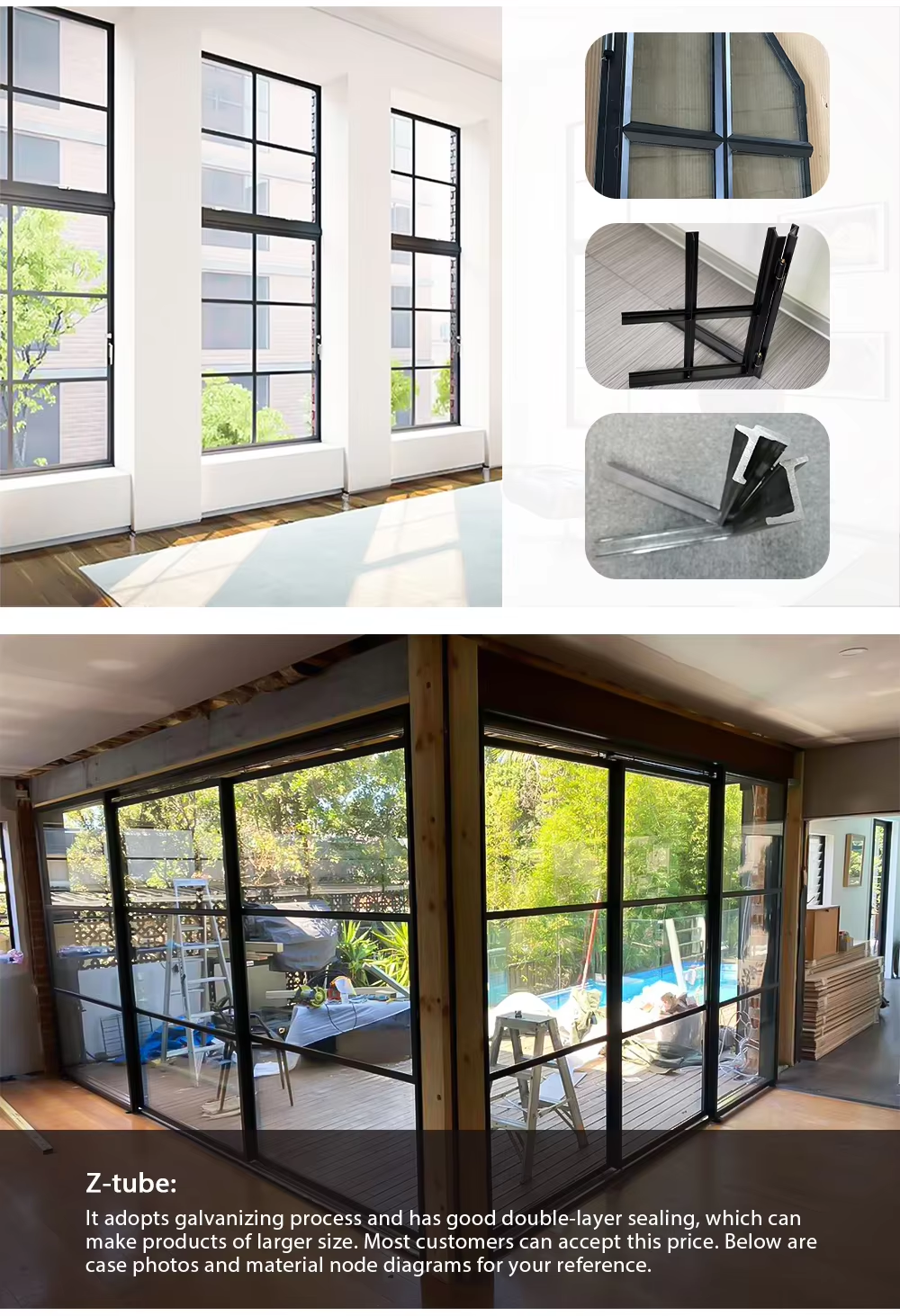
Choosing glass for internal crittall windows is a design and operational decision: the right specification preserves the slim steel aesthetic while managing privacy, light, safety, and sound. For commercial interiors, start with how each room is used, then match the glass to the level of visibility, durability, and maintenance the space requires. Steel frame partition doors should be assessed as part of the same system.
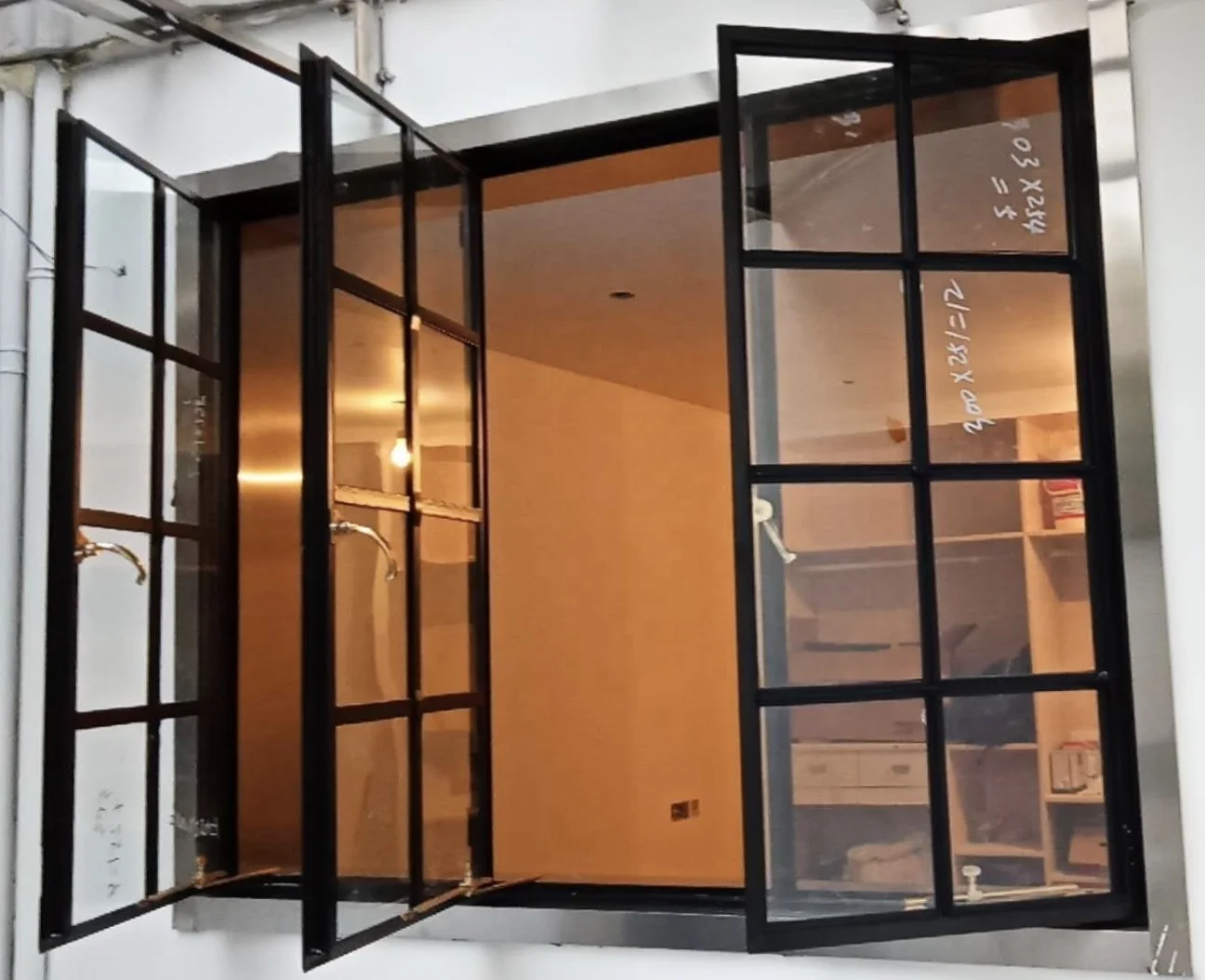
Clear, laminated, obscure, and acoustic glass each serve different needs; there is no single best option for every office, hospitality venue, or workplace. Metal framed interior glass partitions can make shared areas feel open, while industrial style glazed screens and steel frame partition doors help define circulation and room boundaries without relying on opaque walls.
Glass selection for internal crittall windows
Clear glass for shared commercial areas
Clear glass is often appropriate where visual connection matters, such as meeting rooms beside open work areas or reception spaces that benefit from borrowed light. It suits industrial style glazed screens because the frame remains visually prominent, while steel frame partition doors can provide a consistent appearance at room entrances.
Its transparency also makes clear glazing useful when teams need to see whether a room is occupied. Consider sightlines from corridors, screens, and workstations before specifying it. Metal framed interior glass partitions with clear panels may need discreet manifestation or another visual marker where people could walk into the glazing.
Privacy glass for focused rooms
For interview rooms, consulting spaces, or offices where confidential discussion takes place, obscured or patterned glass can limit direct views without making the room feel fully enclosed. Steel frame partition doors with privacy glazing support separation at the threshold, while industrial style glazed screens can maintain a measured flow of daylight.
Privacy is not all-or-nothing. A lower obscured band can shield seated occupants while keeping upper glazing clear, and a graduated treatment can balance discretion with openness. Metal framed interior glass partitions should be reviewed from both sides, since lighting at night may change how visible a room appears.
Safety, acoustics, and day-to-day performance
Safety glass and impact considerations
Commercial interiors need glazing selected for the location and applicable building requirements, not appearance alone. Tempered or laminated safety glass may be appropriate where impact risk, panel size, or occupancy makes breakage a concern. Specify steel frame partition doors alongside fixed panels so the complete arrangement is considered.
Laminated glass holds fragments together when damaged, while tempered glass is designed to break into smaller pieces; the best fit depends on the project and local code. Discuss panel dimensions, edge protection, hardware, and installation with the project team. Industrial style glazed screens need coordinated details rather than a glass-only decision.
Sound control and practical maintenance
Glass can preserve visual openness, but a standard single pane does not automatically provide the sound separation needed for confidential meetings. If speech privacy matters, review the full assembly, including seals, frame joints, doors, and gaps. Metal framed interior glass partitions should be assessed as a system for the intended acoustic use.
Acoustic laminated glass or a multi-pane configuration may help meet a project brief, but results depend on the complete design and installation. Check how often the surface will be touched and cleaned, too. Steel frame partition doors in busy corridors may benefit from glazing and hardware choices that suit frequent operation.
Matching glass to commercial use
Office, hospitality, and client-facing settings
In open-plan offices, clear glass can define meeting rooms while retaining connection to shared space; add privacy treatment where calls or personnel matters require it. For boardrooms, compare the desired level of confidentiality with daylight goals. Industrial style glazed screens can repeat the same visual language across different room types.
Hospitality and client-facing interiors often need a welcoming sense of openness, but back-of-house areas may need more screening. Internal crittall windows can separate a lounge from a corridor without visually closing the venue. Use steel frame partition doors where staff or visitors need controlled passage between zones.
Where visual continuity is a priority, the same glass appearance across fixed glazing and doors can make a layout feel considered. Yet operating conditions may differ by location, so confirm safety and privacy requirements for each panel. Metal framed interior glass partitions can combine clear sections with selected obscured areas.
Specification checks before ordering
Begin with a room-by-room brief stating the required privacy, light transmission, acoustic expectations, and likely impact exposure. Confirm dimensions, opening direction, hardware, and frame finish before finalizing the glass. Industrial style glazed screens should be coordinated with adjoining partitions, door thresholds, and the surrounding interior finishes.
Ask the design and installation team to verify glass type against relevant codes and the complete assembly. For internal crittall windows, practical details such as cleaning access, manifestation, and replacement planning are as important as the initial appearance. Steel frame partition doors should be checked for compatible glazing, seals, and daily use.
A clear schedule helps prevent mismatched panels or unclear expectations during procurement. Record where clear, laminated, acoustic, or privacy glass is required, and state any performance targets for review. Metal framed interior glass partitions work best when the glass, frame, door hardware, and site conditions are coordinated together.
FAQ
Which glass is suitable for a commercial meeting room?
Clear glass can preserve daylight and visibility, while obscured or acoustic options may better suit confidential meetings. Choose based on privacy needs, sound expectations, safety requirements, and the complete partition assembly, including any steel frame partition doors.
Can privacy glass still keep a room bright?
Yes. Obscured finishes and partial privacy treatments can reduce direct views while allowing light through. Industrial style glazed screens can also combine clear and treated panels, provided the visibility and appearance work for the room from both sides.
Do metal-framed partitions need safety glass?
The required glass type depends on panel location, dimensions, impact exposure, and applicable building rules. Confirm the specification with the project professional. Metal framed interior glass partitions should be assessed as a complete installed system, not by frame style alone.