 EN

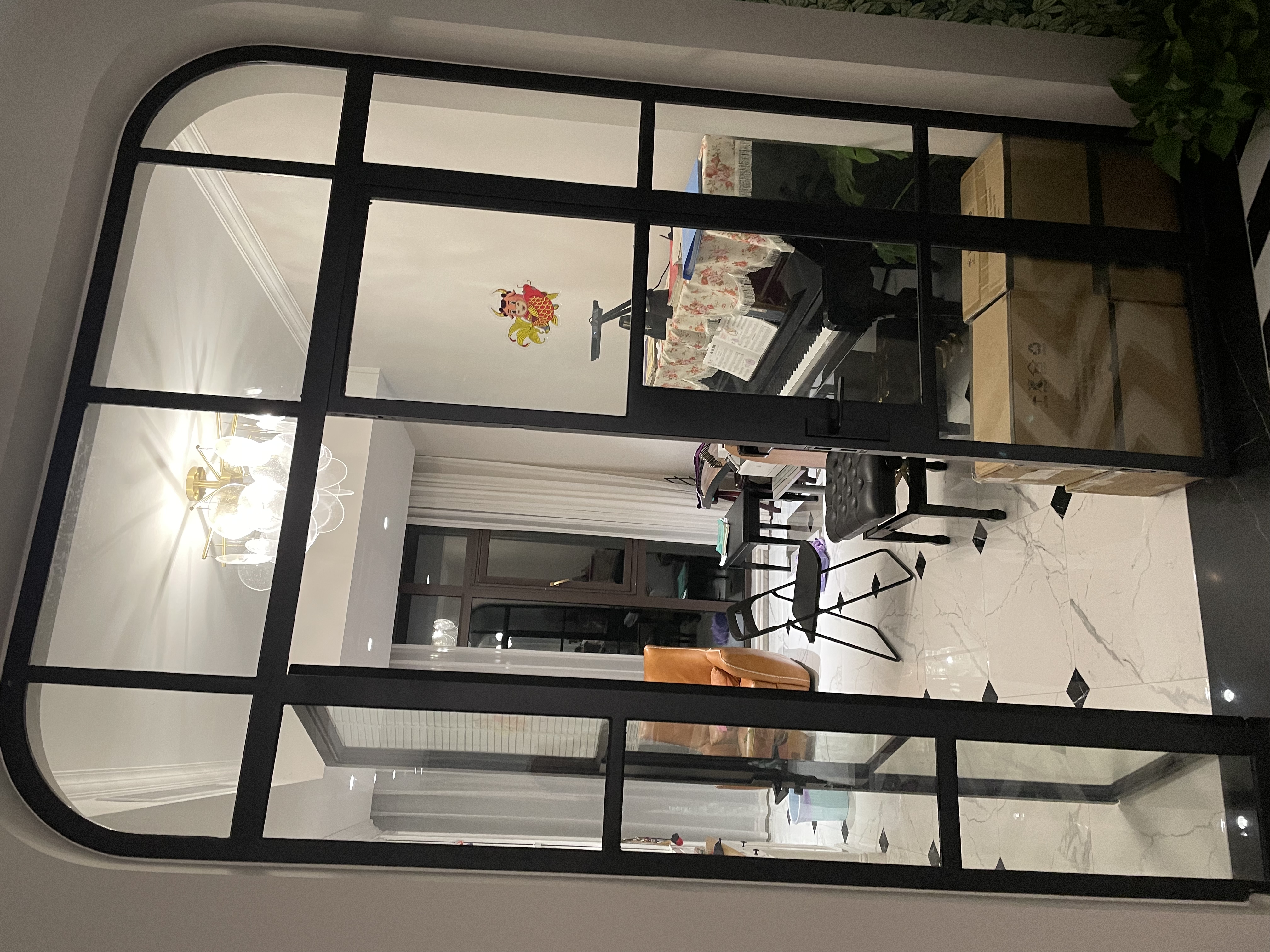
Commercial building projects demand entry solutions that balance aesthetic appeal, structural integrity, and functional security. Bespoke metal doors have become a cornerstone choice for architects, facility managers, and building owners seeking customized solutions that align precisely with project specifications and regulatory standards.
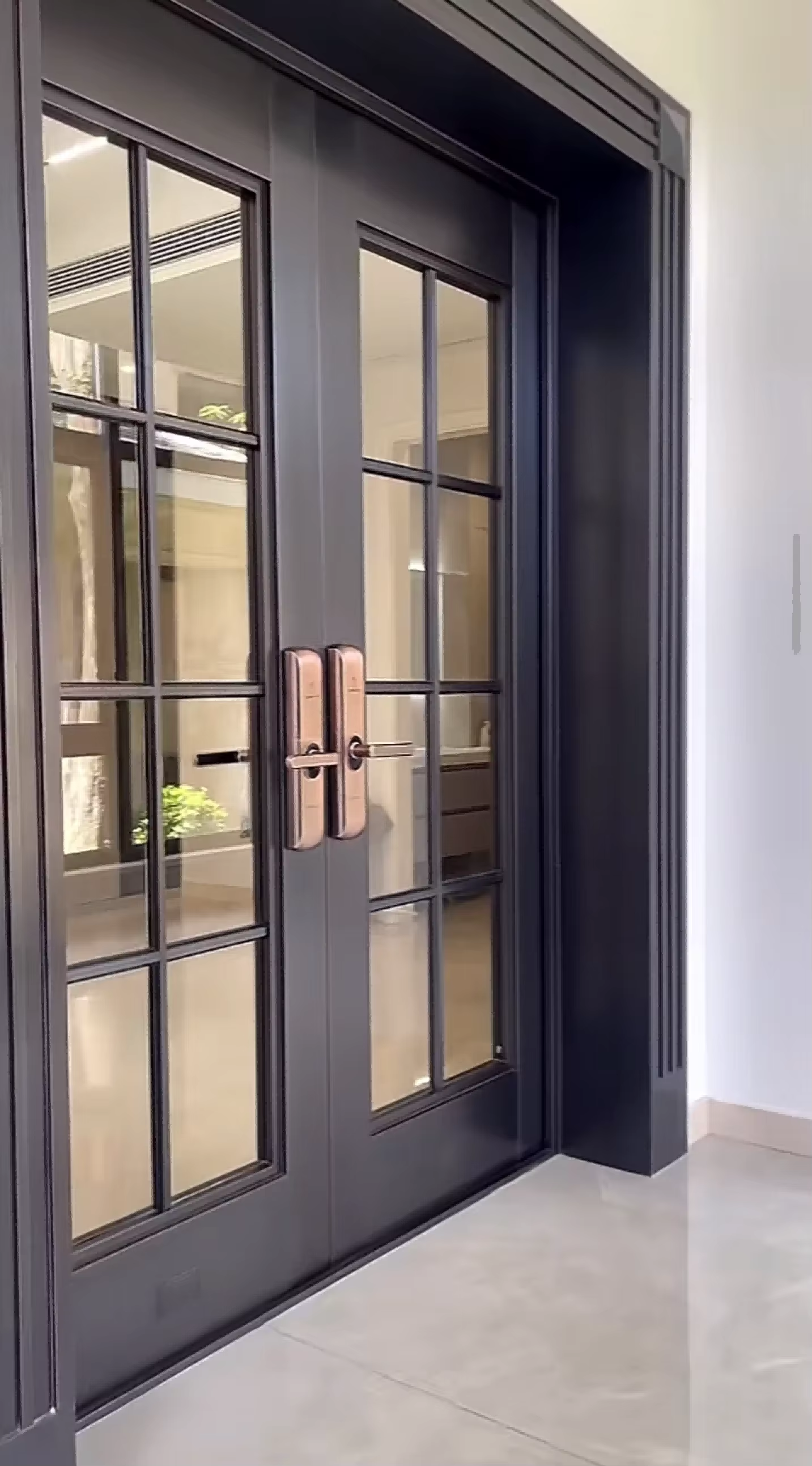
Unlike standardized door systems, custom steel door design offers flexibility in dimensions, materials, finishes, and hardware integration. Modern metal door security features can be engineered directly into the frame and mechanism, ensuring commercial facilities meet building codes, accessibility standards, and fire safety regulations while maintaining a cohesive architectural identity.
Understanding Commercial Door Design Requirements
Structural and Safety Standards
Commercial building codes establish minimum thresholds for door durability, fire rating, and load-bearing capacity. Industrial metal entry doors must withstand heavy daily traffic, climate exposure, and mechanical stress without compromising performance. Custom steel door design allows engineers to specify material gauge, frame reinforcement, and hinge systems that exceed baseline requirements, providing a safety margin critical for high-traffic lobbies, loading areas, and secure access points.
Fire-rated bespoke metal doors must incorporate materials and seals that prevent flame spread and smoke infiltration during an emergency. This level of customization ensures compliance with local fire codes while maintaining the aesthetic coherence of the building envelope. Architects rely on industrial metal entry doors to satisfy both life safety mandates and design vision simultaneously.
Aesthetic and Functional Integration
Commercial spaces benefit from doors that reflect brand identity and architectural intent. Modern metal door security features no longer require visible bulletproofing or industrial appearance; contemporary design allows reinforced security integrated seamlessly into sleek frames, minimalist hardware, and refined finishes. Custom steel door design enables coordination with interior and exterior materials, lighting systems, and wayfinding elements without visual compromise.
Bespoke metal doors can incorporate sidelights, transom windows, glass panels, or solid configurations depending on functional needs. This adaptability makes them suitable for diverse commercial typologies: corporate headquarters, hospitality venues, healthcare facilities, and data centers all benefit from tailored entry solutions that perform as intended while enhancing the user experience.
Key Technical Capabilities of Custom Steel Door Systems
Material Specification and Performance
Industrial metal entry doors can be fabricated from carbon steel, stainless steel, or aluminum depending on environmental exposure and maintenance priorities. Coastal facilities benefit from stainless steel or corrosion-resistant coatings; urban environments may prioritize painted carbon steel for cost efficiency; high-security applications often specify heavier gauges and multi-layer construction. Custom steel door design accommodates these nuanced material decisions within a single project, ensuring each entry point receives appropriate specification.
Modern metal door security features include passive and active components: reinforced frames rated for extreme weather or forced entry, multi-point locking systems, access control integration points, and pressure-rated construction for wind loads or blast resistance. Bespoke metal doors can embed security technology at the manufacturing stage rather than retrofitting, resulting in cleaner aesthetics and superior performance.
Hardware Integration and Accessibility
Commercial buildings must accommodate users with varying mobility levels. Industrial metal entry doors engineered through custom steel door design can integrate power operators, sensor-activated openers, and accessible hardware without aesthetic compromise. Modern metal door security features now include hands-free access systems, biometric readers, and networked locking mechanisms coordinated with building management systems.
Bespoke metal doors allow precise calibration of operational force, closing speed, and opening range to meet accessibility standards while maintaining security integrity. This dual compliance—merging universal design principles with enhanced protection—represents a major advantage of custom fabrication over off-the-shelf solutions.
Implementation Considerations for Commercial Projects
Design Timeline and Specification Process
Bespoke metal doors require longer lead times than standard products because each unit is engineered and fabricated to unique specifications. Project teams must integrate door design early in the architectural phase, particularly for buildings with complex security requirements or non-standard opening configurations. Custom steel door design benefits from collaboration between architects, structural engineers, security consultants, and door manufacturers to optimize both performance and cost.
Specification documents for industrial metal entry doors should detail material composition, finish systems, hardware schedules, security ratings, and testing requirements. This clarity prevents field changes and ensures the fabricator delivers solutions aligned with the project vision. Modern metal door security features should be enumerated and tested to relevant industry standards—NFPA for fire ratings, ASTM for durability, and local building codes for access and safety.
Installation and Quality Assurance
Custom steel door design quality depends on proper installation, frame alignment, and hardware calibration. Bespoke metal doors should be installed by contractors experienced with specialized systems, ensuring hinges are true, locks function smoothly, and thermal barriers perform as designed. Quality assurance protocols—including factory inspection, site verification, and functional testing—verify that the delivered system matches the specification and performs reliably throughout its service life.
Industrial metal entry doors may require on-site adjustments for environmental conditions, door closer tuning, or access control programming. Budget for commissioning services and contractor training to maximize long-term performance. Modern metal door security features often involve electronic or networked components that must be properly configured and maintained.
FAQ
How do bespoke metal doors comply with commercial building codes?
Custom steel door design incorporates specific material grades, fire ratings, and structural reinforcement to meet or exceed local codes. Manufacturers test units to industry standards and provide documentation of compliance. Architects specify requirements during design; the fabricator engineers the solution; and field inspection verifies correct installation, ensuring regulatory alignment throughout the project lifecycle.
What timeline should be planned for industrial metal entry doors?
Bespoke metal doors typically require 8–16 weeks from final design approval to site delivery, depending on complexity and material availability. Projects must integrate door specification early in the design phase—ideally during schematic design—to accommodate fabrication schedules and avoid construction delays. Coordination with structural, mechanical, and security consultants accelerates the approval process.
How do modern metal door security features integrate with building systems?
Industrial metal entry doors can incorporate electronic locks, access control readers, and sensor systems coordinated with building management platforms. Custom steel door design allows manufacturers to pre-wire systems or provide integration points for connection to security networks. This enables seamless access control across multiple entries while maintaining individual door diagnostics and audit trails.