 EN

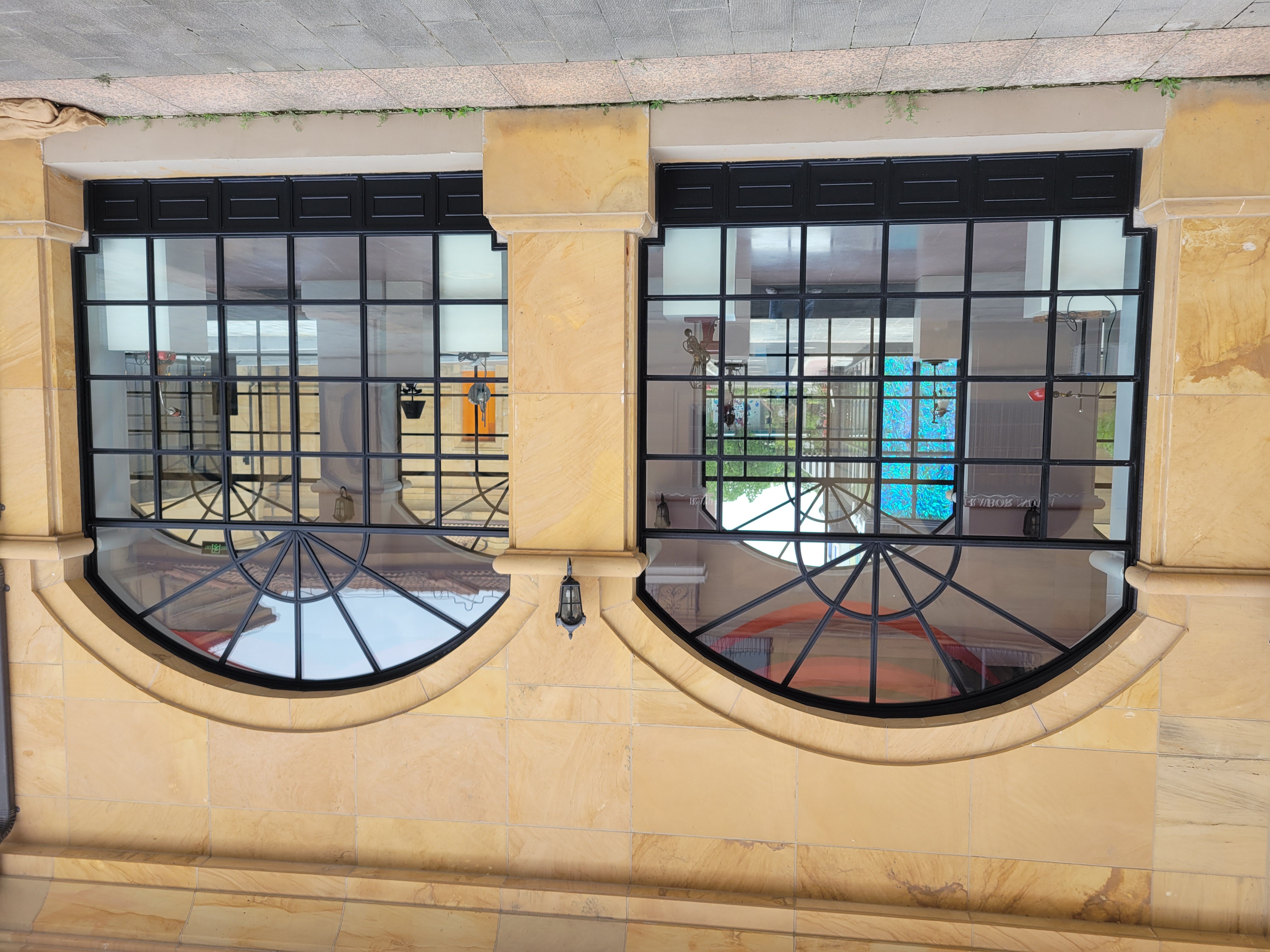
Specifying bespoke metal doors for your project requires careful attention to multiple design and performance factors. When selecting bespoke metal doors, procurement teams must balance aesthetic preferences with functional requirements, durability standards, and long-term maintenance considerations. This decision directly impacts facility appearance, security performance, energy efficiency, and operational costs across the building lifecycle.
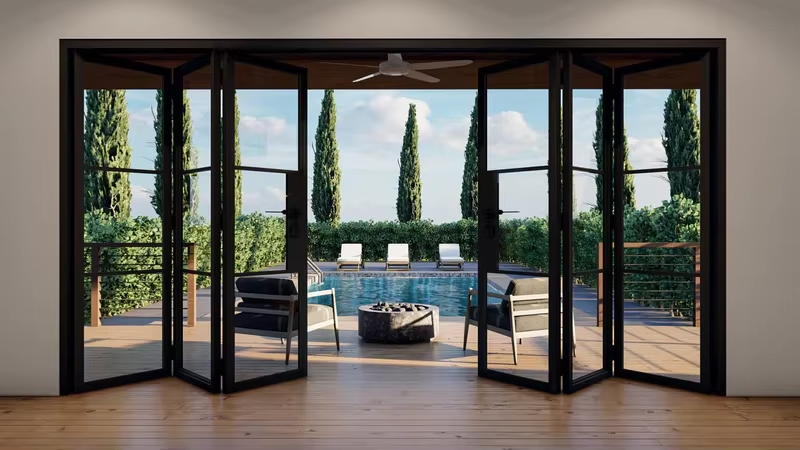
Unlike standardized door solutions, bespoke metal doors offer the flexibility to align with precise project specifications, architectural visions, and operational demands. Understanding which custom features truly add value—versus those that create unnecessary complexity—ensures your procurement strategy delivers superior results. This guide walks through the essential feature categories that separate high-performing bespoke installations from average selections.
Material Composition and Metal Selection
The foundation of any bespoke metal door specification begins with material choice. Stainless steel, carbon steel, aluminum, and wrought iron each present distinct advantages in corrosion resistance, structural strength, weight handling, and aesthetic versatility. For industrial metal door design exposed to harsh environments, corrosion-resistant grades become non-negotiable rather than optional upgrades.
Steel Grade and Alloy Specifications
Requesting custom steel door frames in higher-performance alloys extends service life and reduces maintenance frequency. When specifying industrial metal door design, clarify whether the base material meets ASTM standards for the intended environment. Marine or coastal applications demand different metallurgical specifications than interior commercial spaces. Ensure procurement documents explicitly reference material certifications and chemical composition ranges to prevent cost-cutting substitutions during fabrication.
Thickness ratings for custom steel door frames vary significantly based on traffic volume and structural demands. Standard commercial entrance door specifications typically range from 1.2mm to 3mm, but high-security or heavy-use installations may require thicker material. Request dimensional specifications and weight calculations to verify frame adequacy against opening dimensions and hardware loading requirements.
Surface Finishing and Coating Systems
Surface protection fundamentally determines how long bespoke metal doors resist degradation. Specify multi-layer coating systems rather than single-stage finishes for environments exposed to moisture, salt spray, or chemical exposure. Industrial metal door design benefiting from powder coating, fluorocarbon finishes, or hot-dip galvanizing offers superior protection compared to basic paint systems.
Request color matching capabilities and UV-stability certifications when aesthetic continuity matters across multiple doors. Environmental exposure directly influences coating thickness recommendations—inland installations may require different specifications than coastal applications. Documentation of surface preparation methods, primer systems, and topcoat specifications prevents premature failure and warranty disputes.
Hardware Integration and Functional Features
Locking Mechanisms and Security Hardware
Commercial entrance door specifications must align locking hardware with facility security protocols. Integrated access control compatibility, electrified strike options, and high-security deadbolt reinforcement represent customizations that enhance operational control. Request specifications detailing lever design, cylinder compatibility, and backup mechanical operation in case of power failure.
Bespoke metal doors often require coordination between door fabricators and security system integrators. Custom steel door frames should incorporate reinforced strike plates, anti-kick panels, and security hinges designed for high-traffic entrances. Specify hinge grade ratings and verify compatibility with door weight, opening frequency, and installed hardware loads.
Weatherproofing and Thermal Performance
Industrial metal door design increasingly emphasizes energy efficiency and climate control. Gasket selection, threshold specifications, and bottom-seal configurations directly impact energy loss and water infiltration. Request custom-fitted weather stripping and thermal break specifications when heating or cooling efficiency influences facility operating costs.
For climate-controlled facilities, bespoke metal doors with polystyrene or polyurethane core options reduce thermal transmission. Industrial metal door design incorporating dual-pane glazing or insulated panels extends performance capabilities beyond solid metal construction. Verify U-value and air-infiltration ratings against facility performance targets and building code requirements.
Design Details and Customization Options
Dimensional and Layout Specifications
Bespoke metal doors accommodate non-standard opening widths, heights, and configuration requirements that standard products cannot address. Request detailed fabrication drawings with dimensional tolerances clearly specified. Custom steel door frames must account for floor slopes, wall plumb variations, and structural irregularities common in renovation projects.
Specify mullion configurations, transom window integration, and sidelite coordination when entrance presentations demand architectural complexity. Industrial metal door design flexibility allows doors to integrate seamlessly with surrounding architectural elements and existing facade systems. Request simulation or sample mock-ups for non-standard configurations to verify fit before full-scale fabrication.
Aesthetic Customization and Finish Options
Bespoke metal doors enable visual differentiation through panel patterns, embossing, patina finishes, and decorative elements. Specify aesthetic requirements using reference samples, color standards, or architectural renderings rather than verbal descriptions alone. Commercial entrance door specifications including custom patina aging, brushed finishes, or hand-painted details require clear communication about expected appearance variation.
Request manufacturer samples demonstrating proposed finishes, color accuracy, and surface texture under actual installation lighting conditions. Industrial metal door design incorporating distinctive visual elements should include durability specifications ensuring decorative finishes withstand traffic, cleaning, and environmental exposure. Maintenance protocols for custom finishes should be documented to preserve appearance over time.
FAQ
What material performs best for high-traffic commercial entrances using bespoke metal doors?
Stainless steel and powder-coated carbon steel represent the optimal choices for bespoke metal doors in high-traffic commercial environments. Stainless steel offers superior corrosion resistance and minimal maintenance but increases cost significantly. Carbon steel with premium powder coating or fluorocarbon finishes provides excellent durability at moderate cost when exposure to harsh chemicals or salt spray remains minimal. Your specific environmental conditions, aesthetic requirements, and budget constraints should guide material selection for custom steel door frames.
How do custom steel door frames integrate with modern access control systems?
Custom steel door frames accommodate electrified strikes, electric locking mechanisms, and integrated control wiring through advance coordination during fabrication. Request electrical rough-in specifications and cable pathway details when specifying industrial metal door design with electronic access requirements. Collaborate with security integrators during the design phase to ensure custom steel door frames include proper reinforcement, wire channels, and hardware coordination for seamless system integration and reliable operation.
Should bespoke metal doors include thermal insulation for energy efficiency?
Insulated bespoke metal doors become valuable investments when building codes require thermal performance, heating or cooling efficiency impacts operating budgets, or extreme climate conditions demand enhanced protection. Polyurethane or polystyrene core options add cost but deliver measurable energy savings in climate-controlled facilities. Evaluate your facility's energy management priorities, climate zone requirements, and long-term operational economics before requesting insulation upgrades for commercial entrance door specifications.