 EN
EN
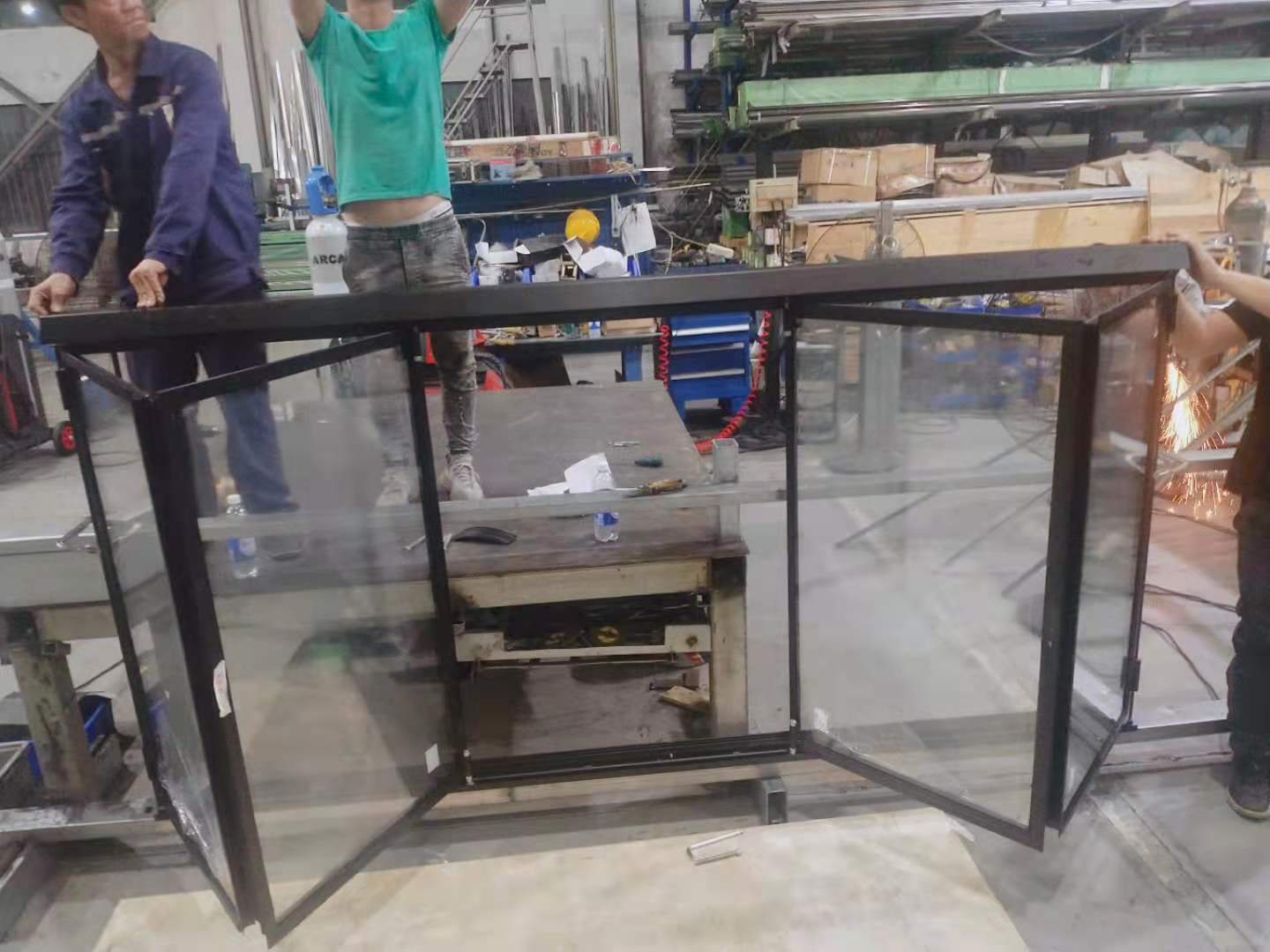
Modern architecture demands precision-engineered fenestration systems that seamlessly blend aesthetic sophistication with structural integrity. A custom steel window factory serves as the cornerstone of contemporary architectural design, delivering bespoke glazing solutions that meet the exacting standards of today's most innovative building projects. These specialized manufacturing facilities combine advanced metallurgical expertise with cutting-edge fabrication technologies to produce windows that transcend conventional design limitations.

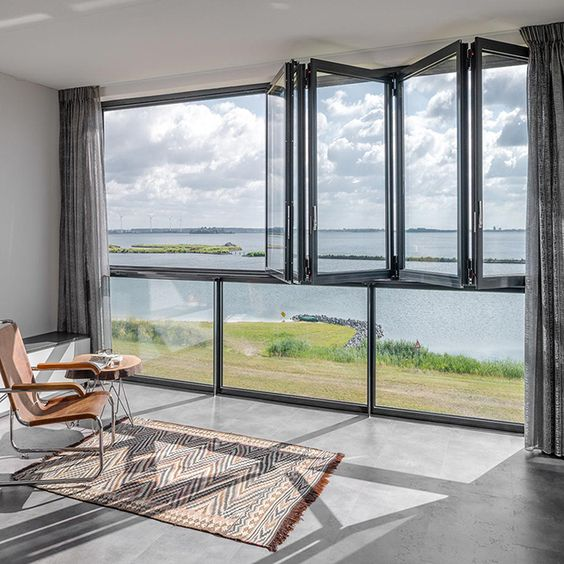
The evolution of architectural glazing has positioned custom steel window factory operations at the forefront of building envelope innovation. These facilities specialize in creating thermally optimized, structurally robust window systems that accommodate the complex geometries and performance requirements inherent in modern architectural expression. By leveraging proprietary manufacturing processes and material science advancements, these specialized factories deliver fenestration solutions that enable architects to realize their most ambitious design visions while maintaining compliance with stringent building performance standards.
Specialized Manufacturing Capabilities in Steel Window Production
Advanced Fabrication Technologies
A contemporary custom steel window factory employs sophisticated manufacturing equipment designed specifically for precision metalworking applications. Computer numerical control (CNC) machining centers enable the production of intricate frame profiles with tolerances measured in fractions of millimeters. These facilities typically house multiple welding stations equipped with tungsten inert gas (TIG) and metal inert gas (MIG) welding systems, ensuring consistent joint quality across all frame assemblies.
Laser cutting technology represents another critical component of modern steel window manufacturing infrastructure. High-powered fiber laser systems enable the precise cutting of complex frame geometries while minimizing thermal distortion. This capability proves essential when producing custom configurations that deviate from standard rectangular formats, such as curved or polygonal window shapes increasingly popular in contemporary architectural design.
Quality control systems within a custom steel window factory incorporate coordinate measuring machines (CMMs) and optical inspection equipment to verify dimensional accuracy throughout the production process. These systems ensure that each window unit meets the precise specifications required for proper integration with building envelope systems, particularly important when dealing with curtain wall assemblies or structural glazing applications.
Material Processing and Treatment
Steel selection and preparation constitute fundamental aspects of custom window manufacturing. Premium factories typically work with hot-rolled and cold-rolled steel sections, selecting appropriate grades based on structural requirements and environmental exposure conditions. Carbon steel grades ranging from A36 to higher-strength variants provide the foundation for most commercial applications, while stainless steel options serve projects requiring enhanced corrosion resistance.
Surface preparation protocols within a custom steel window factory involve multiple stages of cleaning, profiling, and treatment application. Abrasive blasting removes mill scale and surface contaminants, creating the optimal surface profile for subsequent coating adhesion. Phosphating or chromate conversion coating treatments provide additional corrosion protection while enhancing paint adhesion characteristics.
Powder coating application represents the preferred finishing method for most architectural steel windows. Electrostatic spray booths within the factory apply uniform coating thickness across all surfaces, followed by convection curing in temperature-controlled ovens. This process delivers superior durability compared to traditional liquid paint systems while providing consistent color matching across large window installations.
Design Integration for Contemporary Architectural Projects
Thermal Performance Optimization
Modern architectural standards demand exceptional thermal performance from building envelope components, driving innovation in custom steel window factory design approaches. Thermal bridging mitigation represents a primary focus area, with manufacturers developing increasingly sophisticated thermal break systems. Polyamide thermal breaks inserted between interior and exterior steel frame sections significantly reduce heat transfer while maintaining structural continuity.
Advanced glazing integration capabilities enable custom steel window factory operations to accommodate high-performance glazing units. Triple-glazed assemblies with low-emissivity coatings and inert gas fills require precise frame design to accommodate the increased thickness while maintaining proper drainage and ventilation. Structural glazing techniques allow for continuous glass surfaces interrupted only by minimal steel frame members, creating the expansive glazed areas favored in contemporary design.
Computational fluid dynamics (CFD) modeling assists factory engineers in optimizing frame geometry for enhanced thermal performance. These analyses identify potential thermal bridging locations and guide the development of improved thermal break configurations. The resulting window systems achieve thermal transmittance values competitive with traditional aluminum systems while providing the superior structural capabilities inherent in steel construction.
Aesthetic Customization Capabilities
Architectural expression demands from modern projects require extensive customization capabilities from a custom steel window factory. Profile development services enable the creation of unique frame sections that complement specific design languages. Whether replicating historical window profiles for renovation projects or developing entirely new geometries for contemporary applications, these facilities provide the engineering and manufacturing expertise necessary for successful execution.
Color matching capabilities extend beyond standard powder coating options to include custom formulations that precisely match architectural specifications. Spectrophotometric analysis ensures accurate color reproduction across multiple production runs, maintaining consistency for large-scale installations. Specialized finishes such as patinated copper appearances or weathered steel effects provide additional aesthetic options for projects requiring distinctive visual characteristics.
Hardware integration represents another area of customization expertise within modern steel window manufacturing. Custom steel window factory operations maintain relationships with premium hardware suppliers, enabling the specification of high-performance operating mechanisms that complement the window frame design. Concealed hinge systems, multi-point locking mechanisms, and motorized operation systems integrate seamlessly with custom frame configurations.
Quality Assurance and Performance Testing
Structural Integrity Validation
Comprehensive testing protocols ensure that products from a custom steel window factory meet or exceed applicable building code requirements. Structural testing encompasses both static and dynamic loading scenarios, evaluating frame performance under wind loads, seismic forces, and thermal cycling conditions. Full-scale testing apparatus within the factory enables validation of complete window assemblies rather than relying solely on component-level analysis.
Finite element analysis (FEA) software supports the design development process by predicting structural behavior under various loading conditions. This computational approach enables optimization of frame section properties while minimizing material usage and cost. The combination of analytical predictions and physical testing provides comprehensive validation of structural performance characteristics.
Fatigue testing protocols evaluate long-term durability under repetitive loading conditions. Automated testing equipment simulates thousands of operation cycles for operable window configurations, ensuring that hardware components and frame assemblies maintain proper functionality throughout the anticipated building lifespan. These tests prove particularly important for large-scale commercial installations where maintenance access may be limited.
Environmental Performance Verification
Water infiltration testing represents a critical component of quality assurance for products from a custom steel window factory. Spray rack testing equipment subjects completed window assemblies to calibrated water application while differential pressure conditions simulate wind-driven rain scenarios. This testing verifies the effectiveness of weathersealing systems and drainage provisions under realistic exposure conditions.
Air leakage testing quantifies infiltration rates under standardized pressure differentials, ensuring compliance with energy code requirements. Precision flow measurement equipment enables accurate characterization of sealing performance across the complete window assembly. Results from these tests inform design refinements and quality control procedures throughout the production process.
Thermal cycling testing evaluates dimensional stability and sealing performance under temperature variations representative of actual service conditions. Environmental chambers within the factory subject window samples to programmed temperature cycles while monitoring for signs of distortion or sealing degradation. This testing proves essential for validating thermal break performance and overall system durability.
Project Implementation and Installation Support
Engineering and Design Services
Comprehensive project support distinguishes leading custom steel window factory operations from basic manufacturing facilities. In-house engineering teams collaborate directly with architectural firms to develop window specifications that align with project requirements and building code compliance needs. This collaborative approach ensures that custom solutions integrate seamlessly with overall building envelope design while maintaining aesthetic intent.
Building information modeling (BIM) capabilities enable precise integration of window specifications into three-dimensional building models. Parametric modeling tools facilitate rapid design iterations while maintaining accurate dimensional relationships with adjacent building components. This digital workflow reduces coordination errors and enables early identification of potential installation challenges.
Performance modeling services quantify energy efficiency contributions and structural load paths for custom window configurations. Thermal modeling software calculates heat transfer coefficients while structural analysis validates load-bearing capabilities under project-specific conditions. These analytical services provide the technical documentation necessary for building permit approval and construction administration.
Installation Coordination and Support
Successful implementation of custom steel window systems requires specialized installation expertise that extends beyond conventional glazing contractor capabilities. Leading custom steel window factory operations provide comprehensive installation support including detailed installation drawings, sequence planning, and field technical assistance. This support proves essential for maintaining product warranties and achieving specified performance levels.
Pre-installation planning services include dimensional verification surveys and coordination with structural trades to ensure proper rough opening preparation. Field measurements validate design assumptions and identify any necessary adjustments before manufacturing completion. This verification process minimizes installation delays and reduces the risk of field modifications that could compromise system performance.
Quality assurance protocols during installation include joint sealing inspection, hardware adjustment verification, and final performance testing. Factory representatives coordinate with installation teams to ensure proper execution of critical details such as thermal break continuity and weathersealing installation. Post-installation commissioning services verify that completed systems meet specified performance criteria through field testing and operational verification.
FAQ
What distinguishes a custom steel window factory from standard window manufacturers?
A custom steel window factory specializes in bespoke fenestration solutions with extensive design flexibility, advanced thermal performance features, and specialized manufacturing capabilities. Unlike standard manufacturers producing limited product lines, these facilities offer complete customization of frame profiles, glazing configurations, hardware integration, and finish options to meet specific architectural requirements while maintaining superior structural and thermal performance characteristics.
How does thermal break technology work in custom steel windows?
Thermal break technology involves inserting low-conductivity materials, typically polyamide strips, between interior and exterior steel frame sections to interrupt thermal bridging. This design maintains structural continuity while significantly reducing heat transfer through the frame. Advanced thermal break systems in custom steel window factory products achieve thermal transmittance values comparable to aluminum systems while providing superior structural capabilities and architectural expression options.
What quality assurance testing is performed on custom steel windows?
Comprehensive testing protocols include structural integrity validation under wind and seismic loads, water infiltration testing with spray rack equipment, air leakage measurement under standardized pressure conditions, and thermal cycling evaluation for dimensional stability. Additional testing covers hardware operation cycles, glazing retention under structural loads, and long-term durability assessment. These tests ensure compliance with building codes and verify performance specifications throughout the anticipated service life.
What project support services do custom steel window factories typically provide?
Leading custom steel window factory operations offer comprehensive project support including in-house engineering consultation, BIM modeling integration, performance analysis and documentation, installation planning and field support, quality assurance oversight, and post-installation commissioning services. This support ensures successful integration with building envelope systems while maintaining product warranties and achieving specified performance levels throughout the installation process and beyond.