 EN
EN

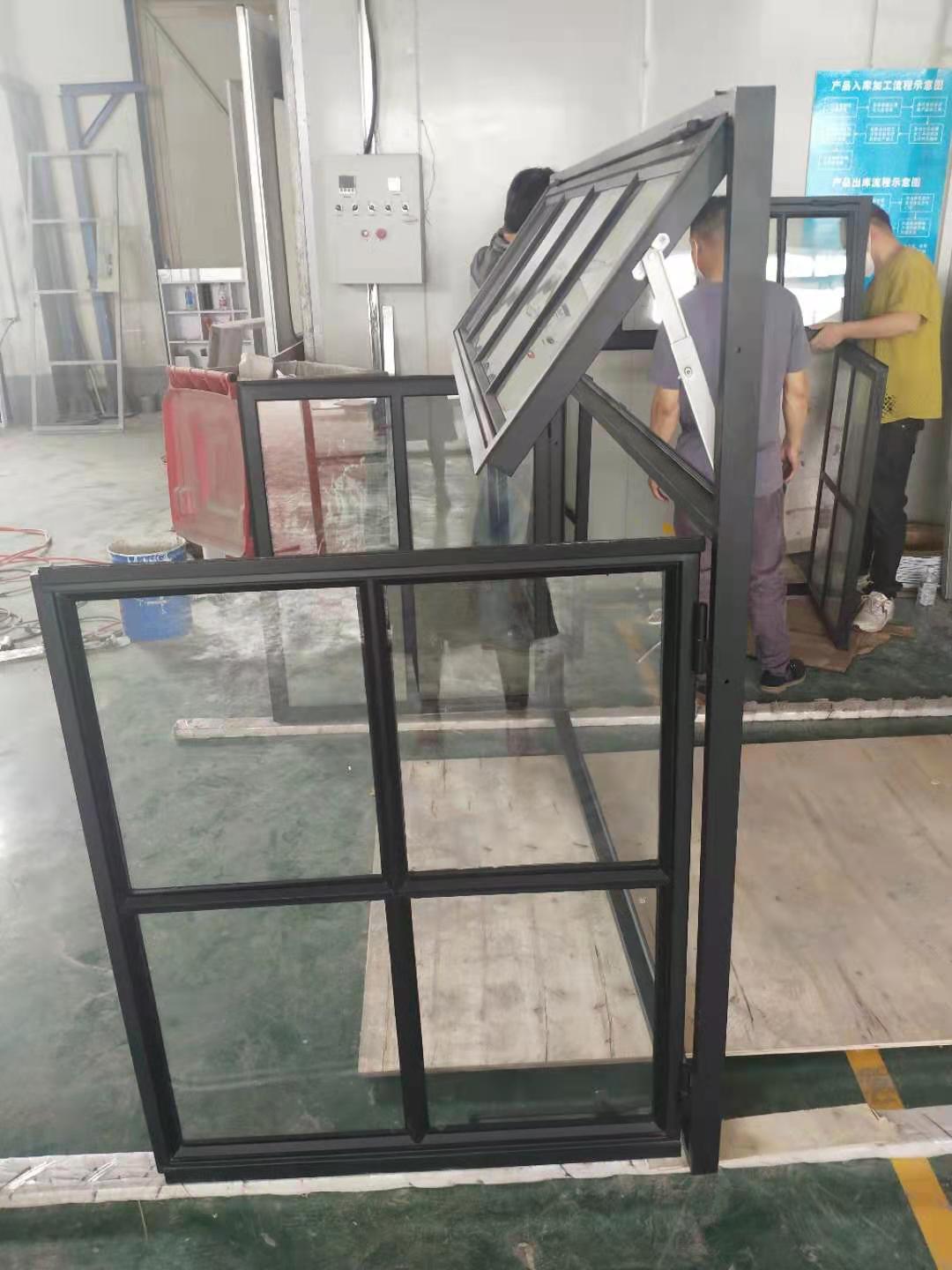
Stainless steel windows have emerged as the premier choice for architects and builders working in high-corrosion environments where traditional materials fail to withstand harsh conditions. These specialized fenestration solutions offer unparalleled resistance to chemical attacks, saltwater exposure, and extreme weather patterns that can devastate conventional window systems. The unique metallurgical properties of stainless steel windows make them indispensable for coastal installations, industrial facilities, and marine applications where corrosion resistance is not just preferred but absolutely essential for long-term performance and safety.
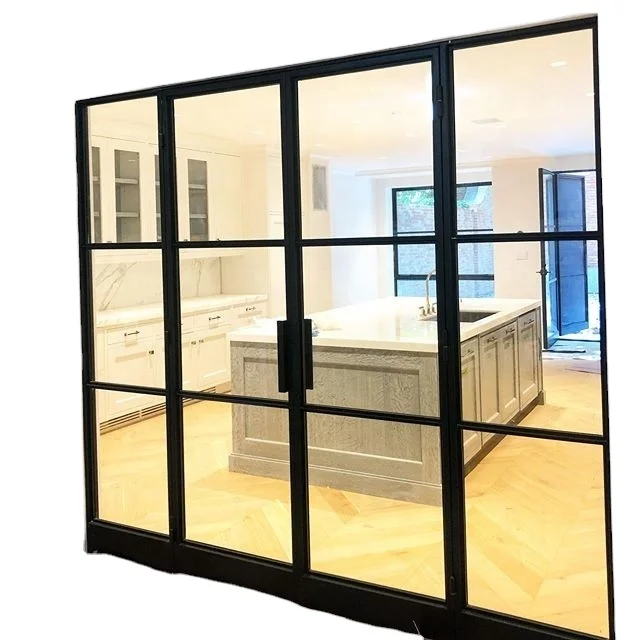
Understanding Corrosion Resistance in Stainless Steel Windows
The Science Behind Stainless Steel Composition
The exceptional durability of stainless steel windows stems from their carefully engineered alloy composition, which typically includes chromium, nickel, and molybdenum in precise ratios. When chromium content reaches a minimum of 10.5 percent, it forms a passive oxide layer on the surface that continuously regenerates when damaged, providing self-healing protection against corrosive elements. This chromium oxide film is invisible to the naked eye but serves as an impenetrable barrier that prevents oxygen and moisture from reaching the underlying metal substrate.
Different grades of stainless steel windows offer varying levels of corrosion resistance depending on their specific alloy composition. Grade 316 stainless steel, commonly used in marine environments, contains molybdenum that significantly enhances its resistance to chloride-induced pitting and crevice corrosion. The addition of nickel improves the material's toughness and formability, while maintaining its corrosion-resistant properties even under mechanical stress and thermal cycling conditions.
Passive Layer Formation and Regeneration
The passive layer that protects stainless steel windows is a dynamic, self-maintaining system that continuously adapts to environmental challenges. This ultra-thin chromium oxide film, measuring only a few atomic layers thick, demonstrates remarkable stability across a wide range of pH levels and temperature conditions. When mechanical damage occurs to this protective layer, the high chromium content in the underlying alloy immediately reacts with available oxygen to restore the passive film within minutes or hours.
This regenerative capability distinguishes stainless steel windows from other protective coating systems that rely on finite barrier layers. Unlike painted or galvanized surfaces that gradually degrade over time, the passive layer on stainless steel windows actually strengthens with exposure to oxidizing environments, creating a more robust protective barrier as the material ages. This phenomenon explains why properly selected stainless steel windows often exceed their predicted service life in corrosive applications.
Performance in Marine and Coastal Environments
Saltwater Exposure and Chloride Resistance
Marine environments present the ultimate test for stainless steel windows due to the aggressive nature of saltwater and its high chloride content. Standard building materials rapidly succumb to chloride-induced corrosion in these conditions, but properly specified stainless steel windows demonstrate exceptional longevity. The key lies in selecting appropriate grades such as 316L or duplex stainless steels that contain sufficient molybdenum and nitrogen to resist pitting corrosion even under continuous saltwater exposure.
Coastal installations benefit tremendously from the superior performance of stainless steel windows, particularly in applications where salt spray and humid conditions create a persistent corrosive atmosphere. These windows maintain their structural integrity and aesthetic appearance for decades without the need for frequent maintenance or replacement that plagues other materials. The economic advantages become particularly evident when considering the lifecycle costs of window systems in marine environments, where stainless steel windows often provide the lowest total cost of ownership despite higher initial investment.
Wind-Driven Rain and Atmospheric Corrosion
Wind-driven rain in coastal areas carries dissolved salts and corrosive particles that can penetrate building envelopes and attack vulnerable materials. Stainless steel windows excel in these conditions because their corrosion resistance extends beyond simple water exposure to include resistance against acidic precipitation, airborne pollutants, and cyclical wet-dry conditions. The material's inherent properties ensure that even repeated exposure to contaminated moisture does not compromise the window's performance or appearance.
The superior drainage characteristics of properly designed stainless steel windows also contribute to their durability in high-corrosion environments. Unlike materials that can trap moisture in joints and crevices, stainless steel's smooth surface finish and precise manufacturing tolerances prevent water accumulation that could lead to localized corrosion or deterioration. This design advantage becomes critical in applications where water management is essential for long-term performance.
Industrial Applications and Chemical Resistance
Process Industry Requirements
Industrial facilities often generate highly corrosive atmospheres that can quickly destroy conventional window materials, making stainless steel windows the only viable long-term solution. Chemical processing plants, pulp and paper mills, and manufacturing facilities frequently emit acidic vapors, alkaline solutions, and reactive gases that create extreme corrosion challenges. Stainless steel windows withstand these harsh conditions while maintaining their transparency and structural integrity, ensuring safe visibility and natural lighting in critical work areas.
The chemical inertness of stainless steel windows extends to resistance against a broad spectrum of industrial chemicals, including organic solvents, cleaning agents, and processing fluids. This comprehensive chemical resistance eliminates concerns about material degradation from accidental exposure or routine cleaning operations. Facility managers appreciate the reliability of stainless steel windows in maintaining their performance specifications regardless of the industrial processes occurring within the building.
Temperature Cycling and Thermal Stress
Industrial environments often subject stainless steel windows to extreme temperature variations that would cause thermal stress failures in other materials. The excellent thermal expansion characteristics of stainless steel, combined with its high strength-to-weight ratio, enable these windows to accommodate thermal cycling without developing stress cracks or joint failures. This thermal stability becomes particularly important in applications where process equipment generates significant heat loads or where rapid temperature changes occur during normal operations.
The microstructural stability of stainless steel windows under thermal cycling ensures that their corrosion resistance properties remain uncompromised even after thousands of heating and cooling cycles. Unlike materials that can develop microcracks or metallurgical changes during thermal stress, properly heat-treated stainless steel maintains its protective passive layer and mechanical properties throughout its service life. This consistency provides facility operators with reliable performance and predictable maintenance requirements.
Maintenance and Lifecycle Considerations
Cleaning and Surface Maintenance
One of the most significant advantages of stainless steel windows in corrosive environments is their minimal maintenance requirements compared to alternative materials. The smooth, non-porous surface of stainless steel resists the accumulation of contaminants and allows for effective cleaning with simple procedures. Regular washing with mild detergents and fresh water is typically sufficient to maintain both the appearance and performance of stainless steel windows throughout their service life.
The self-healing nature of the passive oxide layer means that minor surface scratches or abrasions do not compromise the long-term corrosion resistance of stainless steel windows. This resilience reduces maintenance concerns and allows for normal cleaning operations without fear of damaging protective coatings or finishes. Building owners benefit from reduced maintenance costs and extended service intervals compared to windows requiring regular painting, sealing, or protective coating renewal.
Long-term Economic Benefits
While the initial cost of stainless steel windows may exceed that of conventional alternatives, their superior durability in high-corrosion environments delivers exceptional long-term value. The extended service life, minimal maintenance requirements, and consistent performance of stainless steel windows often result in lower lifecycle costs compared to materials requiring frequent replacement or intensive maintenance programs. This economic advantage becomes more pronounced in harsh environments where conventional windows may require replacement every few years.
The reliability of stainless steel windows also provides intangible benefits through reduced operational disruptions and maintenance scheduling flexibility. Building operators can plan maintenance activities around operational requirements rather than urgent window failures, improving overall facility efficiency. The predictable performance characteristics of stainless steel windows enable more accurate budgeting and resource allocation for long-term facility management strategies.
Selection Criteria for High-Corrosion Applications
Grade Selection and Specification Guidelines
Proper selection of stainless steel grades is crucial for ensuring optimal performance of stainless steel windows in specific corrosive environments. Grade 304 stainless steel provides excellent general corrosion resistance for most atmospheric conditions, while Grade 316 offers superior performance in chloride-rich environments such as coastal or marine applications. For the most aggressive conditions, duplex stainless steels or super-austenitic grades may be necessary to achieve required service life expectations.
Environmental assessment should consider not only the primary corrosive agents but also secondary factors such as temperature extremes, mechanical loading, and potential for galvanic corrosion. Professional consultation with materials engineers helps ensure that selected stainless steel windows meet both immediate performance requirements and long-term durability expectations. Proper specification prevents over-engineering while ensuring adequate performance margins for unexpected environmental conditions.
Design and Installation Considerations
The design of stainless steel windows must account for the specific challenges of high-corrosion environments, including proper drainage, ventilation, and isolation from dissimilar metals. Attention to detail in joint design, fastener selection, and sealing systems ensures that the inherent corrosion resistance of stainless steel translates into reliable overall window performance. Professional installation by experienced contractors familiar with stainless steel fabrication and handling techniques is essential for achieving design performance.
Quality control during manufacturing and installation phases significantly impacts the long-term durability of stainless steel windows. Proper surface finishing, contamination control, and passivation procedures ensure that the protective oxide layer forms correctly and provides maximum corrosion resistance. Regular inspection and testing protocols during installation verify that performance specifications are met and that potential issues are addressed before they compromise window durability.
FAQ
What makes stainless steel windows more durable than aluminum or steel windows in corrosive environments
Stainless steel windows possess superior corrosion resistance due to their chromium content, which forms a self-healing passive oxide layer that continuously protects against corrosive attacks. Unlike aluminum windows that rely on anodized coatings or steel windows that depend on protective paints, stainless steel windows maintain their protective properties even when the surface is scratched or damaged. This inherent corrosion resistance, combined with excellent mechanical properties, ensures reliable long-term performance in harsh environments where other materials would quickly deteriorate.
How long can stainless steel windows last in marine environments
Properly specified and installed stainless steel windows can provide service lives exceeding 30-50 years in marine environments, with many installations demonstrating excellent performance after several decades of saltwater exposure. The actual service life depends on factors such as the specific stainless steel grade used, local environmental conditions, and maintenance practices. Grade 316 stainless steel windows typically offer the best performance in direct marine exposure, while Grade 304 may be sufficient for applications with moderate salt exposure or where regular cleaning is performed.
Do stainless steel windows require special maintenance in high-corrosion environments
Stainless steel windows require minimal specialized maintenance in high-corrosion environments, typically needing only regular cleaning with mild soap and water to remove accumulated contaminants and salt deposits. The frequency of cleaning depends on the severity of the corrosive environment, but monthly or quarterly washing is usually sufficient to maintain both appearance and performance. Unlike other window materials, stainless steel windows do not require protective coating renewal, painting, or frequent seal replacement, significantly reducing maintenance costs and operational disruptions.
Are there any limitations to using stainless steel windows in corrosive applications
While stainless steel windows offer excellent corrosion resistance, certain extreme conditions may require special considerations or alternative grades. Applications involving exposure to hydrofluoric acid, concentrated chlorides at elevated temperatures, or highly reducing environments may challenge standard stainless steel grades and require specialized alloys or protective measures. Additionally, the higher initial cost of stainless steel windows compared to conventional alternatives may require careful economic analysis to justify the investment, although lifecycle cost advantages typically favor stainless steel in most corrosive applications.
Table of Contents
- Understanding Corrosion Resistance in Stainless Steel Windows
- Performance in Marine and Coastal Environments
- Industrial Applications and Chemical Resistance
- Maintenance and Lifecycle Considerations
- Selection Criteria for High-Corrosion Applications
-
FAQ
- What makes stainless steel windows more durable than aluminum or steel windows in corrosive environments
- How long can stainless steel windows last in marine environments
- Do stainless steel windows require special maintenance in high-corrosion environments
- Are there any limitations to using stainless steel windows in corrosive applications