 EN
EN


When managing high-volume sliding door procurement for residential complexes, the scale of the project fundamentally changes how decisions must be made. Unlike single-unit purchases, bulk procurement demands consistent quality standards, reliable lead times, and structured supplier relationships. A sliding door that works well in one unit must perform equally across hundreds of identical installations, making specification control a top priority from day one.
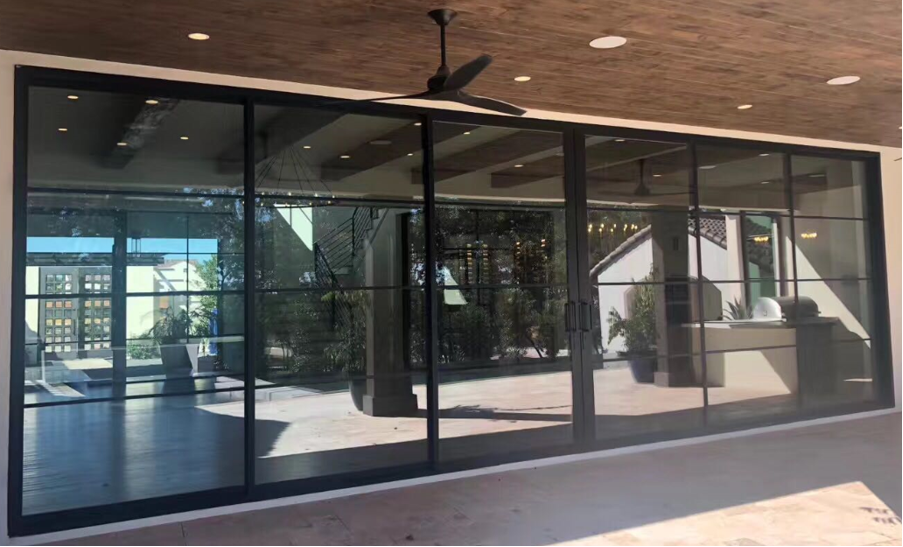
Residential complex developers, procurement managers, and project contractors all face the same core challenge: sourcing a sliding door solution that balances design appeal, structural durability, and cost efficiency at scale. Whether the project involves mid-rise apartment blocks, gated communities, or large housing estates, every sliding door selection carries long-term implications for maintenance costs, resident satisfaction, and building compliance. Understanding the procurement process from a strategic perspective helps teams make smarter sourcing decisions before bulk orders are placed.
Key Factors in High-Volume Sliding Door Selection
Material and Frame Durability at Scale
The material of a sliding door directly affects its lifespan, maintenance frequency, and long-term value in a residential setting. Steel-frame sliding door options are particularly popular in high-volume projects because they offer structural rigidity, resistance to warping, and compatibility with modern architectural finishes. When ordering a sliding door across hundreds of units, even minor material inconsistencies can create widespread maintenance problems, so specifying exact material grades in procurement contracts is essential.
A sliding door with a well-engineered steel frame also supports hanging curtain systems, which adds design flexibility without compromising the structural integrity of the unit. For residential complexes targeting a premium or modern aesthetic, a French-design sliding door with a steel frame brings both visual appeal and robustness. Procurement teams should request material certifications and product test reports before committing to large-volume orders of any sliding door model.
Design Consistency Across Units
In a residential complex, visual uniformity matters. Every sliding door installed across the development must share the same finish, color tone, hardware style, and operational feel. Design inconsistency between units creates complaints, reduces perceived property value, and complicates future replacements. Procurement professionals should work closely with suppliers to lock down a standardized sliding door specification sheet before production begins.
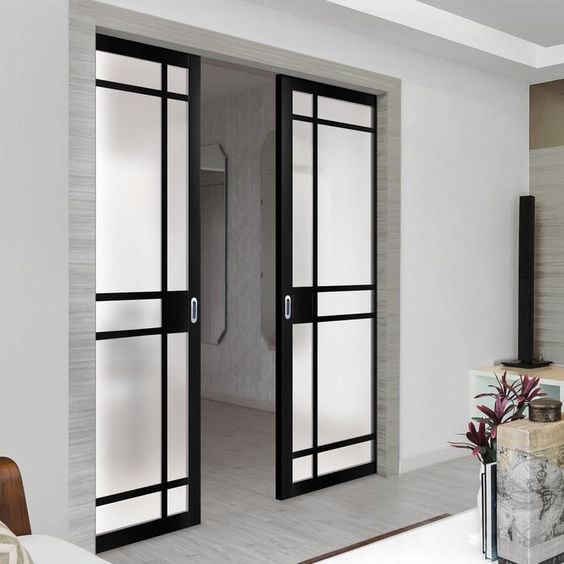
Customizable sliding door designs give developers the flexibility to align each door with the broader interior or exterior design language of the project. A modern-style sliding door with French-inspired detailing, for example, can elevate the aesthetic of both common areas and private residential units simultaneously. Confirming that the supplier can maintain consistent output across large production runs of the same sliding door model is a non-negotiable requirement during vendor evaluation.
Supplier Evaluation for Bulk Sliding Door Orders
Production Capacity and Lead Time Reliability
Not every sliding door manufacturer is equipped to handle high-volume residential orders without compromising delivery timelines. Before awarding a contract, procurement teams must assess a supplier's monthly production capacity for the specific sliding door model being ordered. A supplier who can comfortably produce 200 units of a sliding door per month is very different from one who can scale to 2,000 units without quality degradation.
Lead time reliability is equally critical. Construction schedules in large residential projects are tightly sequenced, and a delayed sliding door delivery can cascade into installation delays, labor cost overruns, and project handover penalties. Procurement managers should request documented lead time performance records and build buffer clauses into sliding door supply contracts to protect project timelines.
Customization and Technical Support
High-volume residential projects often require a sliding door solution that fits non-standard openings, matches specific hardware finishes, or integrates with smart access systems. A supplier who offers true customization capability for each sliding door order provides significant value in these scenarios. This includes adjustments to frame dimensions, glass panel specifications, track system types, and surface coating options.
Technical support before and after delivery is another marker of a capable sliding door supplier. From installation guidance to post-sale troubleshooting, a supplier who understands the complexity of large-scale residential sliding door deployment reduces risk for the procurement team. Always confirm the scope of technical assistance available before finalizing any high-volume sliding door supply agreement.
Cost Management in Large-Scale Sliding Door Procurement
Unit Pricing, MOQ, and Total Cost of Ownership
Bulk purchasing of a sliding door typically unlocks volume pricing advantages, but procurement teams must look beyond unit cost alone. The total cost of ownership for a sliding door includes installation labor, hardware accessories, long-term maintenance frequency, and potential warranty claims. A lower-priced sliding door that requires frequent hardware replacement or has a higher defect rate will cost more over a ten-year lifecycle than a better-specified option purchased at a slightly higher unit price.
Minimum order quantities also play a role in project budget planning. Understanding a supplier's MOQ for a specific sliding door model helps procurement teams align order volumes with actual installation schedules, avoiding overstocking or costly split shipments. Negotiate payment terms, delivery batching schedules, and warranty coverage as part of every sliding door procurement contract to protect both budget and project continuity.
Logistics and Packaging for Bulk Delivery
Transporting a sliding door in bulk requires appropriate packaging standards to prevent transit damage. Each sliding door must be individually protected with corner guards, foam padding, and moisture barriers, especially for projects involving international shipping or extended warehouse storage. Procurement specifications should include detailed packaging requirements to ensure every sliding door arrives on-site in installation-ready condition.
Coordinating delivery batches with the construction schedule reduces storage pressure on-site and minimizes the risk of product damage before installation. A well-structured sliding door delivery plan, agreed upon with the supplier before production begins, keeps the project on schedule and the procurement budget under control. Always include inspection rights at delivery points in every sliding door supply contract.
FAQ
What should be included in a sliding door procurement specification?
A complete sliding door specification should cover frame material and grade, glass type and thickness, track system design, hardware finishes, surface coating, maximum load capacity, and compliance certifications. For residential projects, also include dimensional tolerances, color consistency standards, and packaging requirements to ensure uniform quality across every sliding door unit delivered.
How do I evaluate whether a sliding door supplier can handle high-volume orders?
Request documentation of the supplier's monthly production capacity for the specific sliding door model, review past order references from similar-scale projects, assess their quality control process, and confirm their ability to maintain design consistency across large runs. A factory audit or third-party inspection report can also provide reliable insight into a sliding door supplier's operational readiness for bulk residential orders.
Is a steel-frame sliding door suitable for all residential building types?
A steel-frame sliding door is suitable for most residential building types, including apartments, townhouses, and gated estates. It performs particularly well in settings that require structural durability, modern aesthetics, and long-term low-maintenance operation. However, in coastal or high-humidity environments, buyers should confirm that the sliding door frame includes appropriate anti-corrosion treatment or galvanized coating to maintain performance over time.