 EN

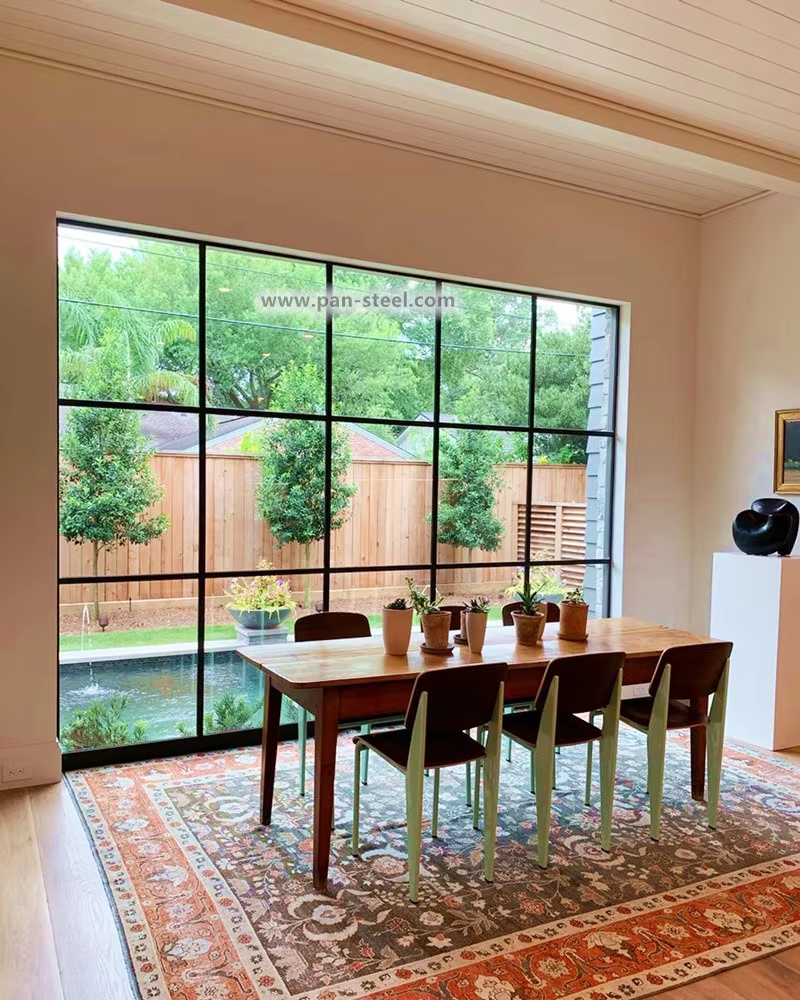
Custom architectural work rarely fits a standard window schedule. Crittall window suppliers can help translate an architect’s design intent into practical decisions about dimensions, profiles, glazing, finishes, and site coordination. Their value is not simply providing a frame; it is helping the project team resolve details before those details become costly changes during fabrication or construction.
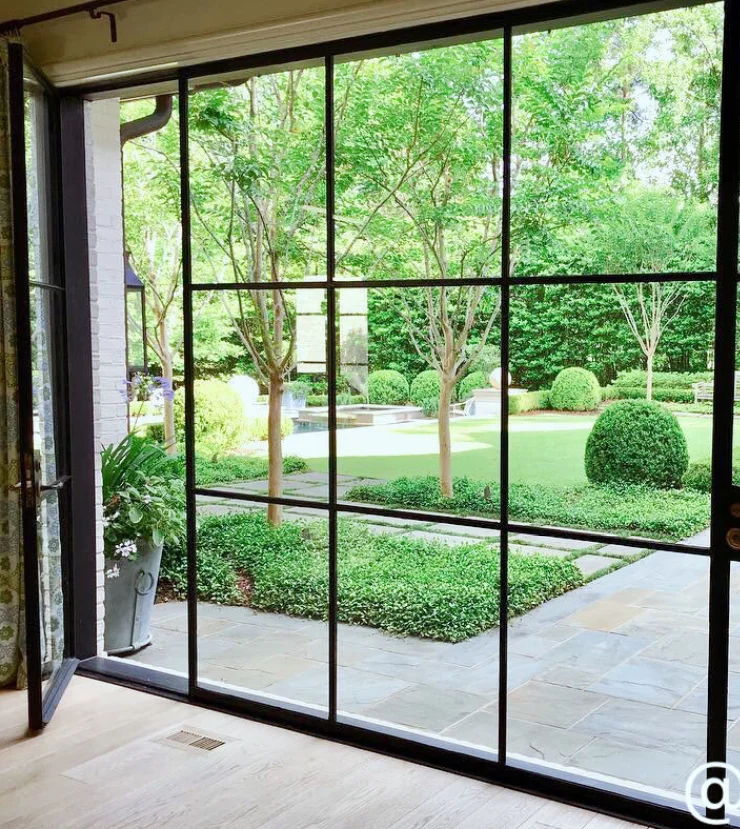
That support is especially useful when a project combines contemporary performance requirements with heritage character, unusual openings, or carefully controlled sightlines. By involving specialists early, teams can coordinate steel frame windows cost, industrial style glazing installation, and vintage crittall window restoration with the wider architectural brief rather than treating them as separate tasks.
Turning the Design Brief into a Buildable Window Scheme
Resolving dimensions, profiles, and opening details
The first contribution is often design clarification. Crittall window suppliers can review elevations, schedules, and opening requirements to identify where a standard module may work and where a custom frame is needed. This helps architects preserve intended proportions while checking practical matters such as frame depth, mullion positions, hardware clearance, and the relationship between the opening and surrounding construction.
Early drawings also give the project team a more useful basis for discussing steel frame windows cost. Size, configuration, glazing specification, finish, and fabrication complexity can all affect the estimate, so suppliers can help distinguish essential design features from details that may be adjusted. A clear schedule reduces assumptions and makes later quotations easier to compare on a like-for-like scope.
A bespoke scheme must account for how each window will function in daily use. Fixed lights, casements, doors, and combinations of opening sections have different hardware and clearance needs. Discussing these choices alongside industrial style glazing installation helps the team confirm how frames will meet the building envelope and how installers will access each assembly.
Coordinating materials and performance requirements
Custom appearance does not remove the need to define performance requirements. The design team should set expectations for thermal control, weather protection, safety glazing, ventilation, and cleaning access according to the building and its use. Suppliers can explain which specifications need to be confirmed before fabrication, while keeping vintage crittall window restoration considerations in view where existing elements remain part of the scheme.
The project benefits when frame details, glass build-up, and adjacent materials are considered together. For example, a deep reveal or a change in wall construction may alter the frame position and visible sightline. These coordination conversations also make steel frame windows cost discussions more meaningful because the scope reflects the actual interfaces and required finish, not just a nominal opening size.
Managing Cost, Fabrication, and Installation
Building a clear commercial and technical scope
A dependable budget begins with a defined brief. Crittall window suppliers can help document quantities, dimensions, opening types, glass requirements, coatings, and delivery assumptions. When these inputs are known, steel frame windows cost can be evaluated against the design priorities, and the team can identify whether adjustments to module sizes or repeated details would simplify fabrication without undermining the intended appearance.
Cost reviews should include more than the frame price. Handling, protection, access, installation preparation, and interfaces with the building envelope can affect the overall package. A realistic allowance for industrial style glazing installation encourages early agreement on who measures openings, who prepares substrates, and how tolerances will be checked before frames arrive on site.
Custom work also depends on timely approvals. Shop drawings should be reviewed for dimensions, handing, sightlines, joints, and hardware before production is released. If a project includes retained historic units, vintage crittall window restoration should be scoped separately from new fabrication, with the existing condition and intended repair level recorded so that responsibilities remain clear.
Preparing for an orderly site installation
Installation planning starts well before delivery. The team needs agreed opening measurements, suitable storage, safe lifting routes, and a sequence that protects completed finishes. Crittall window suppliers may support this planning by clarifying frame weights, delivery groupings, fixing expectations, and required site conditions, allowing the contractor to coordinate the package with other trades.
The installation method should reflect the frame design and the construction around it. Industrial style glazing installation is easier to coordinate when fixing points, perimeter seals, drainage details, and finishing work are established in advance. Where a building has older fabric, the team should consider whether vintage crittall window restoration can be completed in place or whether careful removal and workshop work are more appropriate.
A practical handover plan matters as much as the installation sequence. Confirming inspection points, protection requirements, adjustment responsibilities, and cleaning guidance gives the project team a consistent way to close out the work. It also helps prevent avoidable damage to finished frames and glass while adjacent construction activities continue.
Supporting Heritage Character and Long-Term Use
Balancing new work with existing fabric
Projects involving older buildings often require a decision between repair, replacement, and a combination of both. Crittall window suppliers can help the team assess whether existing frames suit the project’s functional requirements and how new elements might relate to retained windows. The decision should consider condition, significance, intended use, and the level of intervention acceptable to the client.
A careful survey is essential before defining vintage crittall window restoration. Record frame condition, corrosion, loose joints, glazing, hardware, and evidence of earlier repairs. This information helps establish realistic work boundaries and reduces the risk of discovering substantial defects after removal. It also supports a clear conversation about whether components can be retained or need replacement.
New frames beside historic ones need considered detailing rather than automatic imitation. The design may call for matching proportions, a compatible finish, or a deliberate distinction between old and new. Discussing steel frame windows cost alongside these design choices helps clients understand the practical consequences of preserving existing fabric while meeting the project’s requirements.
Making supplier collaboration useful throughout delivery
The strongest collaboration connects the architect, contractor, glazing team, and supplier around current information. Shared drawings, timely responses to queries, and documented revisions help keep custom work aligned with the approved design. Crittall window suppliers can add value by flagging conflicts early, especially where opening dimensions, adjacent finishes, or site access have changed since the original brief.
For a successful result, industrial style glazing installation should be treated as part of the construction sequence rather than a late-stage insertion. Confirming interfaces and responsibilities in advance helps coordinate adjoining trades and protect completed surfaces. If retained units are involved, vintage crittall window restoration should have its own inspection and acceptance criteria so expectations are shared.
After installation, planned maintenance can preserve function and appearance. The project handover should identify suitable cleaning methods, routine checks, and the correct process for reporting operational issues. These instructions are particularly valuable when a building combines newly fabricated frames with repaired historic windows, since finishes and components may have different care needs.
FAQ
When should a project involve Crittall window suppliers?
Bring Crittall window suppliers into the conversation during design development, before dimensions and specifications are fixed. Early advice helps clarify steel frame windows cost, opening details, and the scope of industrial style glazing installation. For projects retaining older units, discuss vintage crittall window restoration at the same stage so surveys and design decisions can inform the overall schedule.
What information helps produce a useful project quotation?
Provide drawings, opening dimensions, required configurations, glass and finish expectations, site location, and delivery assumptions. Those details make steel frame windows cost assessments more relevant and help define industrial style glazing installation responsibilities. If existing frames are involved, include condition records and the intended vintage crittall window restoration outcome rather than assuming repair requirements.
Can new frames and restored windows be used together?
Yes, if the design team establishes how the new and retained elements should relate in appearance and function. Suppliers can coordinate steel frame windows cost and specification with the wider package, while installers plan industrial style glazing installation around the actual site conditions. A clear vintage crittall window restoration scope helps preserve suitable existing components and align expectations for the finished work.