 EN

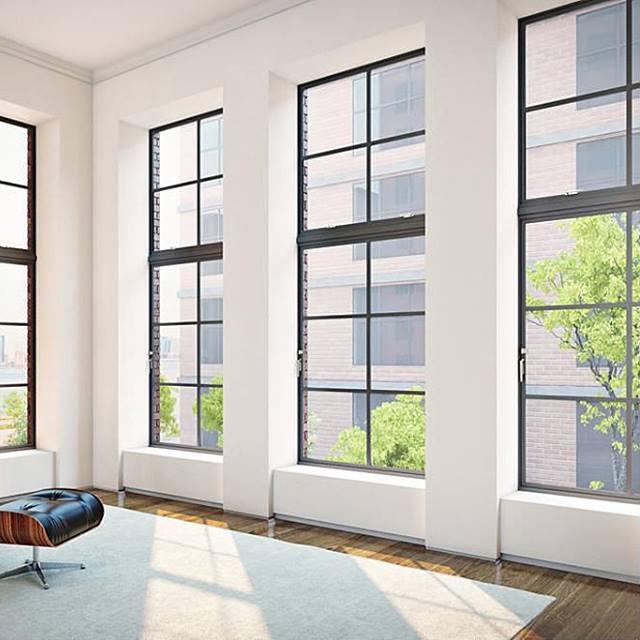
Buyers should confirm more than a single promised delivery date when ordering factory steel windows. The useful schedule separates drawing approval, material procurement, fabrication, finishing, dispatch, transport, and on-site installation, because each stage depends on different decisions and can shift independently.
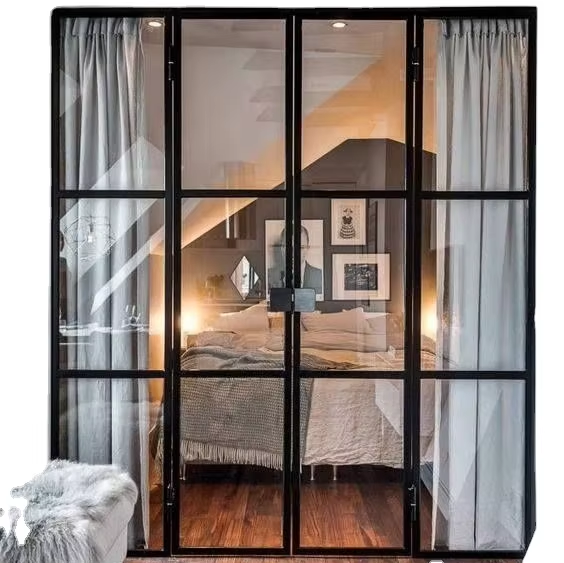
Ask for a dated, milestone-based plan that identifies the information you must provide and the events that start each lead-time clock. Confirm how revisions, inspection, packaging, and site access affect the schedule; this makes the quoted date a planning tool rather than an isolated estimate.
Confirm the order details before accepting a lead time
Start the clock after drawings and specifications are approved
A supplier may calculate lead time from order placement, deposit, or final approved drawings, and those dates are not interchangeable. Review the industrial window frames specifications for dimensions, opening direction, glazing, finish, hardware, and interfaces before approving them. If details remain unresolved, factory steel windows may not enter production when the purchase order is issued.
Ask which document marks approval and who has authority to sign it. Changes after sign-off can require revised drawings, new material, or a production-slot adjustment. The industrial window frames specifications should also identify tolerances and project-specific requirements, so the design team is not relying on assumptions that later interrupt fabrication.
Build a realistic project calendar around dependencies
Request separate estimates for engineering review, procurement, fabrication, finishing, and dispatch, then ask which stages can overlap. That breakdown helps planners compare commercial steel window installation costs with the cost of holding crews or delaying enclosure work. Confirm whether rust-resistant steel window maintenance guidance and finish documentation will be ready with the shipment or supplied earlier.
Set a date for each buyer action, including approvals, site measurements, and payment milestones. Confirm whether the industrial window frames specifications require samples or mock-ups, since review time can sit outside the stated factory period. A sound schedule also records the assumptions behind transport and customs estimates, rather than presenting the factory release date as arrival on site.
Verify manufacturing and transit milestones
Ask what happens between release and factory completion
Once drawings are approved, confirm when long-lead materials are ordered and when fabrication is expected to begin. Ask for progress updates tied to measurable milestones, such as frame assembly, glazing preparation, coating, and final inspection. The industrial window frames specifications should match the approved production documents; discrepancies can trigger rework and change the forecast.
Clarify whether special finishes, glass types, or custom profiles need additional procurement time. Confirm how inspection holds are handled and whether photographs or records can be shared before packing. These details matter when commercial steel window installation costs depend on coordinated labor, access equipment, or a narrow installation window. Do not assume a factory completion date includes inspection and packing.
Separate dispatch, transport, and receiving dates
Factory release is not the same as delivery. Ask for the expected dispatch date, transit range, delivery terms, and the party responsible for booking transport, insurance, and customs paperwork. Include realistic unloading and receiving time in the site plan, especially when factory steel windows arrive in multiple lots or require protected storage.
Confirm packaging dimensions, lifting requirements, and shipment identification before the goods leave. The industrial window frames specifications should be available to the receiving team so it can check quantities and flag visible damage promptly. Ask when finish-care instructions and rust-resistant steel window maintenance information will be provided; having them early helps establish suitable handling and storage practices.
Align delivery with installation readiness
Coordinate the shipment with site conditions and crews
Work backward from the required installation sequence, allowing time for receiving inspection, movement to each work area, and any corrective action. Confirm that openings, structural supports, access routes, and weather protection will be ready before factory steel windows are delivered. The industrial window frames specifications can help the site team verify opening sizes and attachment requirements in advance.
Agree on whether deliveries are phased by elevation, floor, or building zone, and make sure the packaging plan supports that sequence. A delivery that arrives too early can create storage and handling demands; one that arrives too late can leave installation crews idle. Discuss commercial steel window installation costs alongside the schedule, including any expected remobilization or extended access-equipment periods.
Protect the committed date with clear contingency rules
Ask how schedule changes will be communicated, how frequently forecasts will be updated, and who must approve a revised delivery date. Identify risks such as late design decisions, unavailable site measurements, transport disruption, or damage discovered on receipt. Record which party owns each action instead of treating every delay as a factory issue.
Before order confirmation, reconcile the industrial window frames specifications with the final scope and the installation sequence. Confirm that commercial steel window installation costs reflect the planned delivery method and that rust-resistant steel window maintenance requirements are understood by the facilities team. A practical lead-time commitment names its starting point, intermediate milestones, delivery assumptions, and process for handling exceptions.
FAQ
When should buyers start counting the lead time?
Use the supplier’s stated trigger, then verify it in writing. For many projects, approved drawings and resolved industrial window frames specifications provide a clearer start than the purchase order date. Confirm how that trigger affects commercial steel window installation costs and the timing of rust-resistant steel window maintenance documents.
Does the quoted lead time include delivery to the site?
Not necessarily. Ask whether the estimate ends at factory completion, dispatch, or site receipt, and clarify transit, customs, unloading, and receiving assumptions. Check that industrial window frames specifications support receiving checks, that commercial steel window installation costs include the actual delivery plan, and that rust-resistant steel window maintenance guidance accompanies the order.
What should buyers do if the schedule changes?
Request an updated milestone forecast, the reason for the change, and its effect on each delivery lot and installation activity. Recheck industrial window frames specifications if the scope has changed, reassess commercial steel window installation costs for labor impacts, and ensure rust-resistant steel window maintenance instructions remain available for handling and storage.