 EN

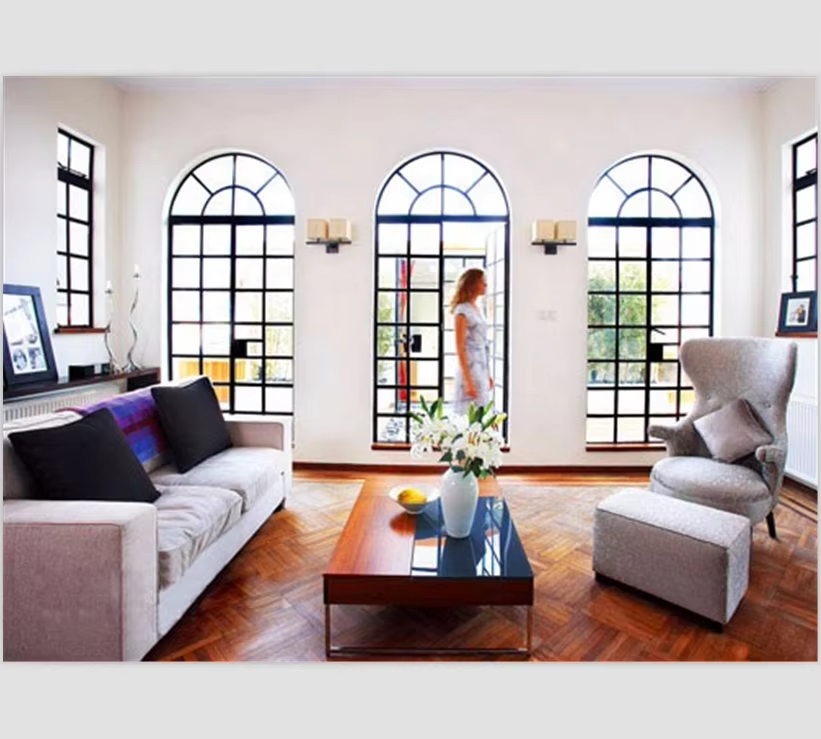
Double glazed crittall windows can improve building energy performance by combining two panes of glass with a carefully designed metal frame. Their contribution depends on more than appearance: glazing specification, thermal breaks, seals, and installation quality all affect how much heat escapes and how comfortably a space can be used.
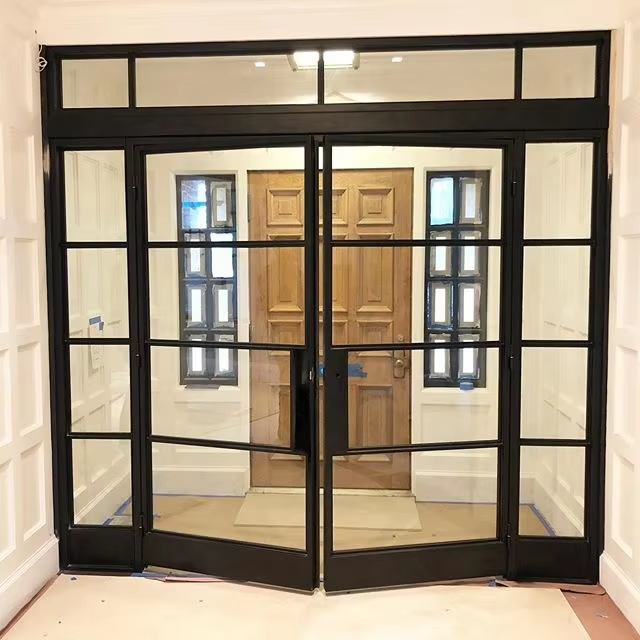
For renovation teams and building owners, the practical question is how these windows perform in the actual building envelope. Steel frame window installations can preserve slim sightlines, while industrial style glazed doors and windows maintain a consistent architectural language. The best results come when thermally efficient metal framed windows are specified as part of a whole-building plan, not treated as a standalone upgrade.
How glazing and frame design limit heat loss
Two panes create a more effective insulating layer
A double-glazed unit separates interior and exterior glass with a sealed cavity. That cavity slows heat transfer compared with a single pane, helping reduce winter heat loss and limiting cold surfaces near the opening. Double glazed crittall windows therefore provide a more capable starting point for energy improvement than traditional single glazing, subject to the full unit specification.
The gap, spacer, glass coatings, and gas fill, where specified, influence the unit’s thermal behavior. Steel frame window installations should therefore be assessed alongside the glass performance data, rather than selected on frame appearance alone. A well-chosen unit can also reduce uncomfortable downdrafts and help occupants use perimeter areas more comfortably during colder weather.
Metal frames need considered thermal detailing
Metal conducts heat readily, so a frame without a thermal break can become a weak point even when its glazing performs well. Thermally efficient metal framed windows use a separating component within the frame to interrupt direct heat flow. The design can retain a slender profile while improving the frame’s contribution to overall window performance.
Frame depth, joint design, and the connection to surrounding construction all matter. Industrial style glazed doors and windows may include large glazed areas, making the balance between glass and frame especially relevant. Double glazed crittall windows deliver stronger results when the specified thermal break, glazing unit, and perimeter details work together rather than being evaluated in isolation.
Look for project-specific thermal information for the complete window, not only a center-of-glass value. Steel frame window installations should account for frame edges and junctions, since these areas can influence heat flow and condensation risk. Clear documentation makes it easier to compare proposed assemblies against the building’s energy targets and intended use.
How installation affects real building performance
Continuous seals protect the insulated envelope
Even high-quality glazing can underperform if air passes around the frame. Accurate measuring, stable fixing, insulation at the perimeter, and continuous interior and exterior seals help connect the window to the wall. In steel frame window installations, careful coordination between the installer and the trades responsible for the opening reduces gaps that can cause drafts.
Installation details should suit the wall build-up, exposure, and drainage strategy. Thermally efficient metal framed windows need a junction that manages both heat flow and moisture, rather than relying on sealant to solve every issue. Double glazed crittall windows should be checked for smooth operation and consistent gasket contact after fitting, because poor closing can compromise airtightness.
Specify openings as part of the building envelope
Before ordering, confirm opening dimensions, frame configuration, glass specification, and how the assembly will meet adjacent materials. Industrial style glazed doors and windows often combine fixed panels with operable sections, so each type needs suitable seals and hardware. Accurate schedules help prevent substitutions that alter the intended thermal or air-leakage performance.
Site teams should protect frames and glazing during construction, then inspect joints before finishes conceal them. Steel frame window installations benefit from a documented handover that records adjustments and identifies maintenance needs. This practical quality control helps preserve the expected performance after occupancy instead of assuming the specified values will automatically be achieved.
Consider orientation and exposure when selecting glass. Solar gain can help warm some spaces in cooler seasons, but excessive gains may increase cooling demand in sunny rooms. Thermally efficient metal framed windows should be selected with shading, ventilation, and internal comfort in mind. Double glazed crittall windows are most effective when these decisions reflect the use of each room.
How to judge energy benefits for a project
Match specifications to use and renovation goals
Start by identifying the building’s main issue: winter heat loss, drafts, condensation, or an upcoming refurbishment. Compare existing openings with the proposed whole-window performance and check whether the frame and glass meet project requirements. Industrial style glazed doors and windows can support a design brief, but energy decisions should be based on documented properties.
For heritage-sensitive or design-led projects, slim sightlines may be important, yet frame proportions should not be the only selection criterion. Steel frame window installations need a specification that balances appearance, durability, operation, and thermal performance. Double glazed crittall windows can be appropriate where the project needs a metal-framed aesthetic and improved insulation over older single-glazed openings.
Assess performance beyond the window itself
A window upgrade does not compensate for an uninsulated wall, uncontrolled ventilation, or poorly sealed roof junctions. Review the building envelope as a system and consider whether heating controls and ventilation need adjustment after works. Thermally efficient metal framed windows can reduce one source of heat transfer, while the broader strategy determines the building’s overall energy outcome.
During evaluation, compare like with like: whole-window ratings, frame materials, glazing composition, and installation scope. Industrial style glazed doors and windows should be reviewed for both fixed and opening elements, since their operation affects airtightness. Ask for clear technical information and confirm the proposed assembly suits local project requirements before finalizing the specification.
Plan for routine checks of gaskets, hardware, drainage paths, and perimeter seals. Small maintenance tasks help preserve operation and prevent avoidable air leakage over time. Steel frame window installations remain part of the energy envelope throughout their service life, so access for inspection and clear responsibility for maintenance should be considered at handover.
FAQ
Do double glazed crittall windows reduce heat loss?
Yes, they can reduce heat loss compared with single glazing because the sealed cavity between panes slows heat transfer. The frame, thermal break, glass specification, and installation all affect the result, so review whole-window data rather than relying on the glazing description alone.
Are steel frames suitable for energy-conscious projects?
They can be, when the specification includes appropriate thermal separation and the installation limits air leakage. Steel frame window installations should also account for frame-to-wall junctions, seals, and glazing performance to support the intended building outcome.
What should be checked before choosing metal-framed windows?
Confirm whole-window thermal information, opening types, glass options, perimeter details, and how the assembly fits the project’s exposure and ventilation needs. Thermally efficient metal framed windows should meet practical energy goals while providing the appearance and operation required by the building.