 EN

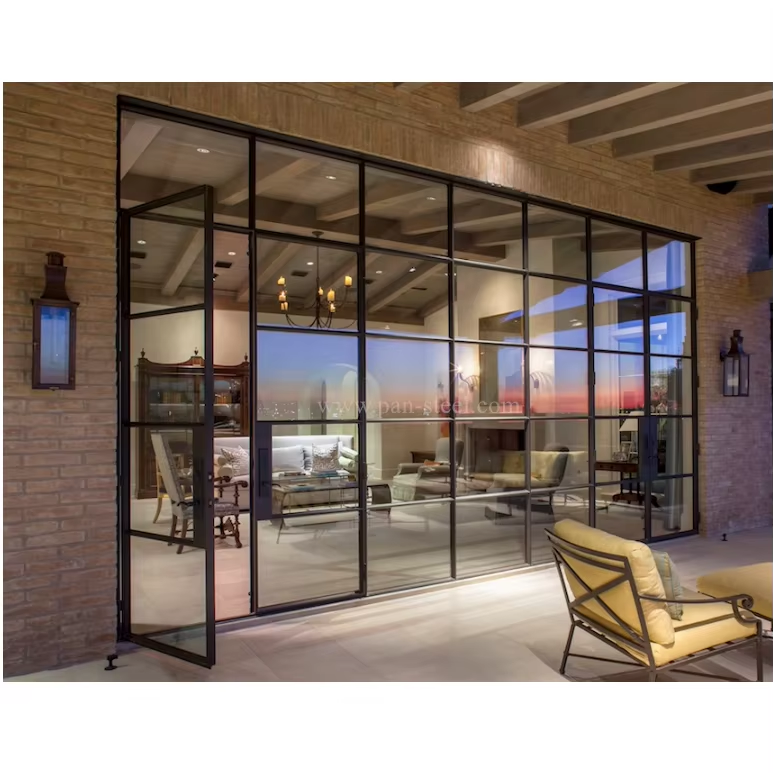
Selecting double glazed crittall windows means matching the glass unit to the frame, building conditions, and project goals. The key specifications are pane thickness, cavity width, coatings, gas fill, edge spacer, safety classification, and acoustic performance. Reviewing each one together helps avoid choosing glass that fits the opening but fails to meet comfort or compliance needs.
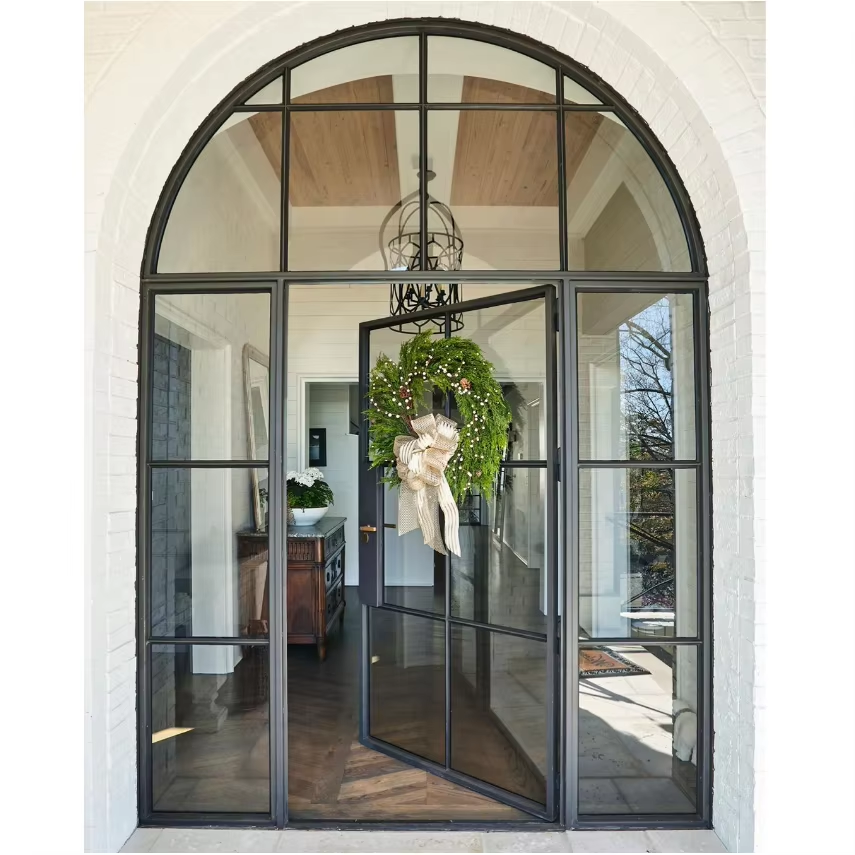
A useful specification begins with the room and elevation, not a generic glass label. For double glazed crittall windows, ask how the proposed insulated glass unit will affect daylight, heat loss, solar gain, sound, and frame proportions. Those decisions also shape thermal efficiency steel casement windows can deliver in real use.
Core glass unit specifications
Pane thickness and cavity design
An insulated glass unit has two panes separated by a sealed cavity, but its thickness must suit the sash and glazing system. Confirm the maximum unit depth, glass bite, and gasket arrangement before comparing options. steel frame windows cost and installation can change when a specified unit requires deeper rebates, different beads, or additional site adjustments.
Pane thickness is selected according to dimensions, wind exposure, human impact risk, and the frame maker’s engineering. A large or exposed pane may need a different build-up from a small interior-facing window. For crittall window renovation and replacement, measure the existing opening carefully and verify whether old frames can safely accept the intended glass weight.
The cavity width influences overall unit depth and insulation, but a wider gap is not automatically better. The glass processor should recommend a compatible cavity based on unit size, edge-seal design, and the required performance. When comparing thermal efficiency steel casement windows, request the whole-window rating rather than treating cavity width as a complete measure.
Ask for the glass build-up in a clear format, including each pane’s thickness and type, cavity dimension, and any coating position. This makes quotations easier to compare and helps installers check that the unit matches the frame. steel frame windows cost and installation should include the handling and fitting implications of heavier or unusually sized units.
Coatings, gas fill, and warm-edge spacers
A low-emissivity coating can reduce heat transfer through the glass while preserving useful daylight. Its specification should identify the coating and surface position, because orientation affects the unit design. In crittall window renovation and replacement, confirm that the selected coating suits the room’s exposure and the project’s balance between warmth and natural light.
Argon is commonly used in the cavity to limit heat transfer, but the stated gas fill is only meaningful when the unit is properly sealed. Ask for the declared centre-of-glass value and the complete window performance. That distinction matters when assessing thermal efficiency steel casement windows, since the steel frame and edge area also affect heat flow.
The spacer separates the panes around the perimeter and influences heat loss at the glass edge. A warm-edge spacer can help reduce that transfer and may lower the risk of interior condensation under suitable conditions. Discuss color and sightline as well as performance, since the spacer can be visible through slim steel profiles.
A specification should state whether the cavity is gas filled and identify the spacer type, not simply call the unit energy efficient. steel frame windows cost and installation may reflect upgraded edge components, but assess the increment against project priorities and documented values. For crittall window renovation and replacement, check that replacement units preserve the intended narrow-grid appearance.
Performance choices for the building
Thermal, solar, and daylight balance
Thermal performance should be considered at both centre glass and whole-window levels. The whole-window figure includes the frame and edge effects, giving a more relevant basis for comparing thermal efficiency steel casement windows. Confirm the rating method and units, then relate the result to the building’s climate, heating system, and expected occupancy.
Solar control is a separate decision from insulation. South- or west-facing rooms may receive strong afternoon sun, while shaded elevations may benefit more from preserving daylight. Select a coating based on the actual orientation and shading rather than assuming every double glazed crittall windows project needs the same solar specification.
Visible light transmission describes how much daylight passes through the glass, while solar energy transmission describes how much solar heat enters. These values help explain trade-offs that a simple low-E label cannot. When evaluating steel frame windows cost and installation, keep these performance targets with the quotation so alternatives are compared on equal terms.
For a heritage-style elevation, glass color and reflectance matter alongside numerical performance. Ask for samples or a visual assessment where appearance is sensitive, because coatings can subtly change the view or exterior reflection. crittall window renovation and replacement projects should document the desired look before a final glass order is approved.
Acoustic comfort, safety, and condensation
Where traffic, machinery, or nearby activity creates noise, ask for an acoustic rating for the complete window and confirm the tested configuration. Different pane thicknesses can improve sound control in some assemblies, while a suitable cavity and airtight installation also matter. Do not infer acoustic performance from thermal efficiency steel casement windows figures.
Safety glass may be required in locations where people could collide with glazing or where breakage presents a hazard. Determine whether laminated or toughened glass is appropriate under local codes and project conditions. In crittall window renovation and replacement, keep safety requirements visible during surveys, ordering, and inspection rather than treating them as a late adjustment.
Condensation can form when warm, moist indoor air meets a cold surface, and edge temperature is one factor in that risk. Better glazing can help, but ventilation, indoor humidity, and thermal bridges also influence results. Review the expected conditions with the design team instead of treating a glass upgrade as a complete condensation remedy.
Specification and project coordination
Frame compatibility and replacement conditions
Before ordering, verify opening dimensions, frame condition, drainage paths, setting blocks, and the glazing method. A sound frame can often guide a straightforward replacement, while corrosion, distortion, or failed seals may require wider work. For crittall window renovation and replacement, separate glass-only needs from frame repairs in the scope.
The glass supplier and installer need the same approved dimensions and build-up. Confirm tolerances, bead retention, sealant compatibility, and who checks measurements before manufacture. These coordination steps support thermal efficiency steel casement windows because gaps or poor perimeter sealing can undermine the glass unit’s designed performance.
Check whether the building has conservation, planning, fire, or energy requirements that affect visible glass, safety types, or frame changes. Record approvals before fabrication and retain product documentation for handover. steel frame windows cost and installation estimates are more useful when they identify survey, removal, disposal, access, finishing, and any repair work clearly.
Quotations, installation, and final checks
Ask bidders to price the same glass specification and state any exclusions. If a change is proposed, compare its documented effect on appearance, performance, weight, and lead time. This makes steel frame windows cost and installation easier to evaluate without allowing an apparently lower price to conceal a different product scope.
During installation, inspect glass for damage, confirm orientation of coated panes where specified, and check that units are supported and sealed as designed. The installer should protect drainage and avoid stressing the glass during placement. These checks help preserve the intended performance of double glazed crittall windows after delivery.
FAQ
Which glass specification should be confirmed first?
Start with frame compatibility and the required whole-window performance, then confirm pane build-up, coating, cavity, and safety needs. thermal efficiency steel casement windows should be judged using complete-window data, not a glass-only figure. The right order reduces the risk of specifying a unit the frame cannot accept.
Does a wider cavity always improve insulation?
No. The best cavity depends on unit dimensions, seals, gas fill, and the system’s tested design. For crittall window renovation and replacement, use a compatible declared build-up and compare overall performance rather than assuming a larger gap guarantees better results.
What should an installation quotation include?
It should define the glass specification, survey and fitting scope, removal and disposal, access needs, finishing, and any frame repairs. Matching these details makes steel frame windows cost and installation comparisons clearer and helps ensure the delivered double glazed crittall windows meet the approved project requirements.