 EN

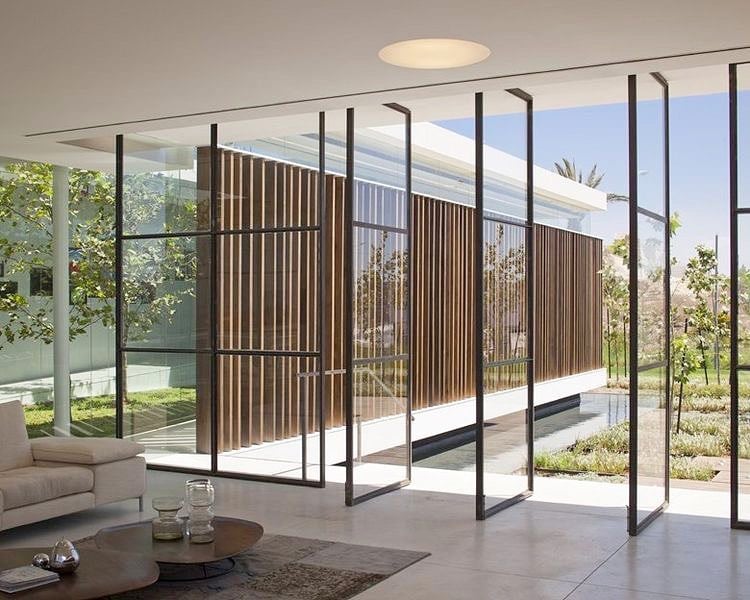
Large custom steel exterior doors orders become manageable when manufacturers treat them as controlled production programs rather than oversized versions of one-off jobs. The key is to standardize what can be standardized, capture project-specific requirements early, and connect engineering, procurement, fabrication, finishing, and shipping through clear release gates. This approach protects schedule visibility without removing the customization customers need.
For a manufacturer, efficiency depends on decisions made before the first frame is cut. A repeatable process for drawings, specifications, material allocation, and inspection can reduce avoidable rework across a multi-building project. It also helps teams coordinate custom steel exterior doors with site readiness and phased delivery requirements.
Build a reliable order foundation
Consolidate specifications before release
Start with one controlled order register that records each opening, quantity, handing, dimensions, hardware preparation, finish, and required delivery phase. For industrial steel entry doors, project drawings may contain variations that are easy to miss when details arrive in separate emails. Assign a unique opening or item reference and use it consistently across drawings, bills of material, labels, and inspection records.
Confirm which requirements apply to every unit and which are limited to a building, elevation, or opening. Weatherproof steel door frames need clearly documented thresholds, seals, anchoring details, and interface conditions so production does not rely on assumptions. A signed-off schedule gives engineering and purchasing a shared baseline and makes later changes visible rather than buried in revised files.
Separate standard options from custom details
Group repeated configurations into production families, then isolate true exceptions for separate review. Industrial steel entry doors can share core fabrication steps while differing in dimensions, glazing, hardware, or finish. This distinction helps planners reserve capacity for common builds and prevents a small set of unusual openings from disrupting the entire order.
Before release, document who approves drawings, samples, and substitutions, along with the deadline for each approval. Commercial steel door installation planning should also inform the product schedule: frame interfaces, anchor locations, and hardware preparation must match the site method. Early coordination avoids a finished unit reaching the site with a detail that was technically correct in isolation but unsuitable for installation.
Coordinate production and materials
Plan capacity around production batches
Convert the approved order register into a realistic sequence based on shared materials, tooling, finish requirements, and promised ship dates. Industrial steel entry doors with similar constructions may run efficiently in a batch, while special sizes or finishes may need their own slot. Use milestone dates for drawing approval, material readiness, fabrication, coating, inspection, and dispatch so teams can see constraints before they become urgent.
Weatherproof steel door frames can require coordinated components and compatible finishes, so check the complete assembly rather than tracking the door leaf alone. Procurement should map long-lead items to the relevant production family and confirm quantities against the latest approved revision. A short, regular review of shortages and substitutions lets managers make controlled decisions without interrupting work already in progress.
Keep engineering changes under formal revision control after release. When an opening changes, record the affected units, materials, drawings, and schedule consequences before authorizing the update. Industrial steel entry doors are often produced in project quantities, making an unnoticed revision especially costly. Clear change ownership helps the shop floor work from one current instruction set instead of choosing between conflicting versions.
Commercial steel door installation requirements should feed back into production planning, especially when deliveries are phased by floor or building. Package hardware and related components with their assigned units, and use durable labels that match the opening schedule. This makes receiving and staging easier for the customer while helping the manufacturer trace questions to a specific batch rather than reopening the full order.
Make quality checks part of the route
Define inspection points at stages where defects remain practical to correct, such as after fabrication, before finishing, and before packing. Industrial steel entry doors should be checked against approved dimensions, preparation details, and finish requirements. Weatherproof steel door frames deserve attention at joints, seal interfaces, and other details that affect the completed assembly, with results recorded against the unit reference.
Use a consistent acceptance record that identifies the inspector, revision, measured characteristics, and any disposition for nonconforming work. Weatherproof steel door frames may share a common checklist, but project-specific criteria must remain visible so standardization does not erase essential requirements. Review recurring defects across batches and adjust work instructions or fixtures where evidence points to a process cause.
Control delivery and installation readiness
Release shipments against site conditions
A completed production batch is not automatically ready to ship. Confirm the customer’s receiving window, unloading capability, storage space, and installation sequence before assigning a dispatch date. Commercial steel door installation often depends on access and trade coordination, so align shipment packages with the site’s planned work rather than sending everything as soon as it leaves inspection.
Weatherproof steel door frames should be protected against handling damage and moisture exposure during transport and temporary storage. Use packaging suited to the route and handling method, then identify packages clearly by project, phase, and opening references. Provide the customer with shipment documents that reconcile quantities and include any agreed inspection or care information needed at receipt.
Close the loop after dispatch
Give the project team one contact path for delivery updates, shortages, and field questions. Industrial steel entry doors are easier to trace when serial or package references connect shipping records to production and inspection history. Capture any site feedback in the order record, distinguish transit damage from installation issues, and route each issue to the responsible team for a timely response.
Commercial steel door installation readiness can be supported with clear opening schedules, hardware identification, and concise handling guidance. Ask the customer to confirm receipt and report discrepancies while packages are still staged for verification. That feedback helps resolve exceptions before crews lose time and provides useful evidence for improving packing, labeling, or production instructions on future large orders.
FAQ
How early should production planning begin?
Begin planning as soon as the project scope and likely quantities are available, but do not release fabrication until critical drawings and specifications are approved. Early capacity checks help flag material or finish constraints. Confirm industrial steel entry doors quantities and weatherproof steel door frames requirements against the controlled schedule before committing final batch dates.
How can manufacturers reduce errors across repeated units?
Use unique opening references, revision-controlled drawings, and stage inspections tied to each unit or batch. Standardize repeated configurations without assuming every opening is identical. For weatherproof steel door frames, verify project-specific interfaces, and connect commercial steel door installation details to the approved production documents.
What should be checked before dispatch?
Verify the approved configuration, inspection status, package labels, protective materials, quantities, and site delivery window. Confirm that industrial steel entry doors are assigned to the correct phase and that documentation matches the shipment. Coordinate commercial steel door installation timing with the receiving plan, and check weatherproof steel door frames for packaging protection and traceable identification before release.