 EN

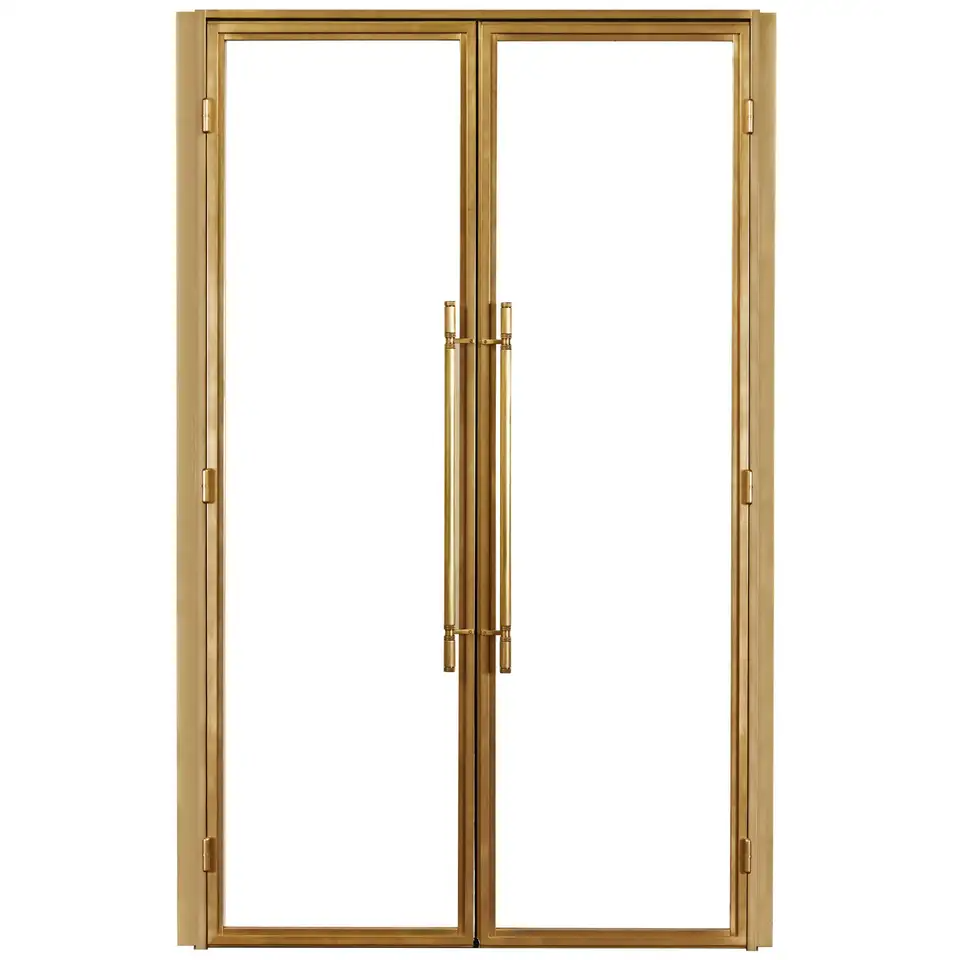
Quality inspections for custom steel exterior doors should verify more than appearance. They need to confirm that materials, dimensions, fabrication, protective finishes, hardware preparation, and final operation match the project requirements. A structured inspection plan helps a production team identify defects early, before a door is packed or installed.
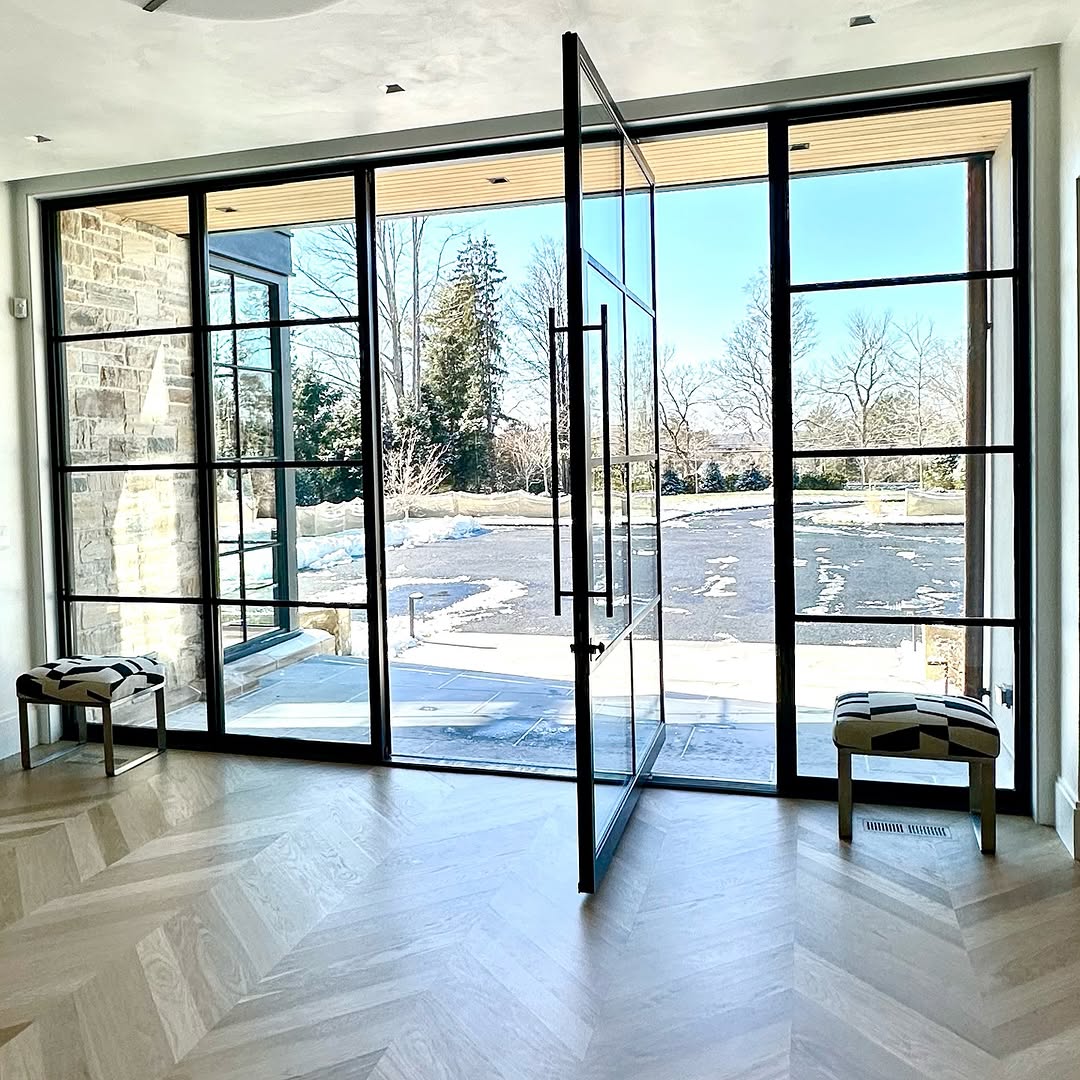
The most useful checks connect shop-floor results to the intended opening and site conditions. Review steel entry door installation needs, weatherproof exterior door frames, and commercial steel door specifications from the start, then use those requirements to guide inspection records. This approach keeps acceptance criteria clear for fabricators, project managers, and installers.
Define inspection criteria before fabrication
Translate project documents into measurable checks
Begin with approved drawings, schedules, and finish requirements for each opening. For custom steel exterior doors, confirm handing, overall size, panel layout, glazing details, thresholds, and hardware locations before cutting begins. Steel entry door installation depends on accurate opening and frame information, while weatherproof exterior door frames require clear expectations for seals and drainage. Commercial steel door specifications should identify applicable materials, dimensions, and acceptance tolerances.
A controlled review prevents different teams from interpreting the same detail in different ways. Mark the inspection points directly on a checklist tied to the drawing revision, including steel thickness where specified, weld locations, hinge spacing, and lock preparation. Confirm steel entry door installation clearances and the required relationship between leaf and frame. Record how weatherproof exterior door frames are expected to meet the wall interface, and keep commercial steel door specifications available at the workstation.
Verify incoming material and identification
Incoming inspection should establish that the steel, profiles, glazing components, seals, and hardware match the approved bill of materials. Check certificates or supplier documentation when the contract requires them, and inspect stock for visible corrosion, dents, or distortion. For custom steel exterior doors, traceability helps connect components to a specific order. Steel entry door installation planning is more reliable when frame and leaf materials are confirmed before assembly.
Store materials in conditions that limit moisture exposure and handling damage. Check that frame profiles intended for weatherproof exterior door frames have the correct sections and prepared drainage features, if specified. Keep identification legible through cutting and welding so substitutions do not go unnoticed. Commercial steel door specifications may call for particular gauges or grades, so compare actual material records with the approved documents rather than relying on appearance alone.
Inspect fabrication, fit, and protective finish
Check geometry and workmanship during assembly
During fabrication, inspect cut dimensions, squareness, flatness, and alignment before the assembly becomes difficult to correct. Measure both diagonals where appropriate, then compare the result with the job tolerance. Custom steel exterior doors need consistent leaf-to-frame relationships for dependable operation. Steel entry door installation can be complicated by a frame that is out of square, and weatherproof exterior door frames need sound joints and correctly positioned seal surfaces.
Examine welds for continuity, placement, and visible defects against the approved workmanship criteria. Verify that grinding does not remove material needed for strength or leave sharp edges that interfere with finishing. Check hinge reinforcements, lock cutouts, and other hardware preparations against the template and drawing. These checks support commercial steel door specifications and help confirm that the finished assembly can accept the intended hardware without field alterations.
Evaluate finish coverage and weather details
Before coating, confirm that surfaces are clean and prepared as required by the selected finish system. After coating, inspect coverage, color consistency, adhesion evidence where required, and damage around edges, corners, welds, and hardware openings. For custom steel exterior doors, document any repair and reinspection so an accepted finish is not assumed from a quick visual glance. Protect coated parts during handling and staging.
Weather-related details deserve their own inspection rather than being treated as a finish issue. Confirm gasket continuity, corner joints, threshold contact, and any specified drainage paths. Weatherproof exterior door frames must align with the wall and seal strategy shown in project documents; the inspection should verify components and interfaces, not promise performance beyond tested requirements. Steel entry door installation instructions should identify how seals are protected and adjusted on site.
Complete functional acceptance and release checks
Test operation and hardware preparation
Once assembly and finish checks pass, operate the door through its intended movement and inspect clearances at several points. Look for binding, uneven gaps, loose components, or interference between the leaf, frame, threshold, and seals. Custom steel exterior doors should open and close consistently under the conditions represented by the inspection setup. Record the result and any adjustment made instead of relying on an informal sign-off.
Confirm hardware locations, fastener holes, reinforcements, and handing against the approved schedule. Where hardware is installed for testing, verify engagement and release without forcing the mechanism. Steel entry door installation teams benefit from a clear record of supplied hardware and any items shipped separately. Compare frame and leaf preparation with commercial steel door specifications, and flag deviations before the unit is packed.
Document acceptance and protect the shipment
The final inspection should bring together dimensional results, material traceability, finish review, functional checks, and any approved deviations. Give each unit an identification that corresponds with its opening or project reference. For custom steel exterior doors, photographs of key details can help resolve questions during receiving and installation. Keep records concise, dated, and linked to the applicable drawing revision.
Before release, check packaging, corner protection, hardware containment, and labels for orientation and handling. Confirm that frames and leaves are secured against movement without damaging the finish. Mark information that supports steel entry door installation, including unit identification and relevant handling notes. This final control also helps preserve weatherproof exterior door frames during transport and keeps commercial steel door specifications accessible to the receiving team.
FAQ
Which inspection should happen first?
Start with a document and material review before fabrication. Confirm drawings, dimensions, and required components, then check incoming stock against the order. This sequence gives the team a sound basis for steel entry door installation planning and reduces the risk of building a unit to an outdated detail.
How should weather protection be checked?
Inspect seals, joints, thresholds, frame features, and the documented wall interface as separate items. Verify that the assembly matches the specified design and that parts remain undamaged after finishing. Weatherproof exterior door frames should be assessed against project requirements, not an unsupported general claim about performance.
What should the release record include?
Include unit identification, drawing revision, material checks, dimensional results, finish observations, functional test results, and approved deviations. Attach relevant photographs when they clarify a detail. Keeping commercial steel door specifications and inspection evidence together makes acceptance decisions easier to trace after shipment.