 EN


Thermal break steel doors improve building energy efficiency by interrupting the path heat takes through a metal frame. For project teams, the benefit depends on more than the door leaf: frame design, glazing, seals, installation, and adjacent wall details all influence the finished opening. Evaluating energy efficient door frames insulation alongside industrial steel door thermal performance helps avoid treating the door as an isolated component.
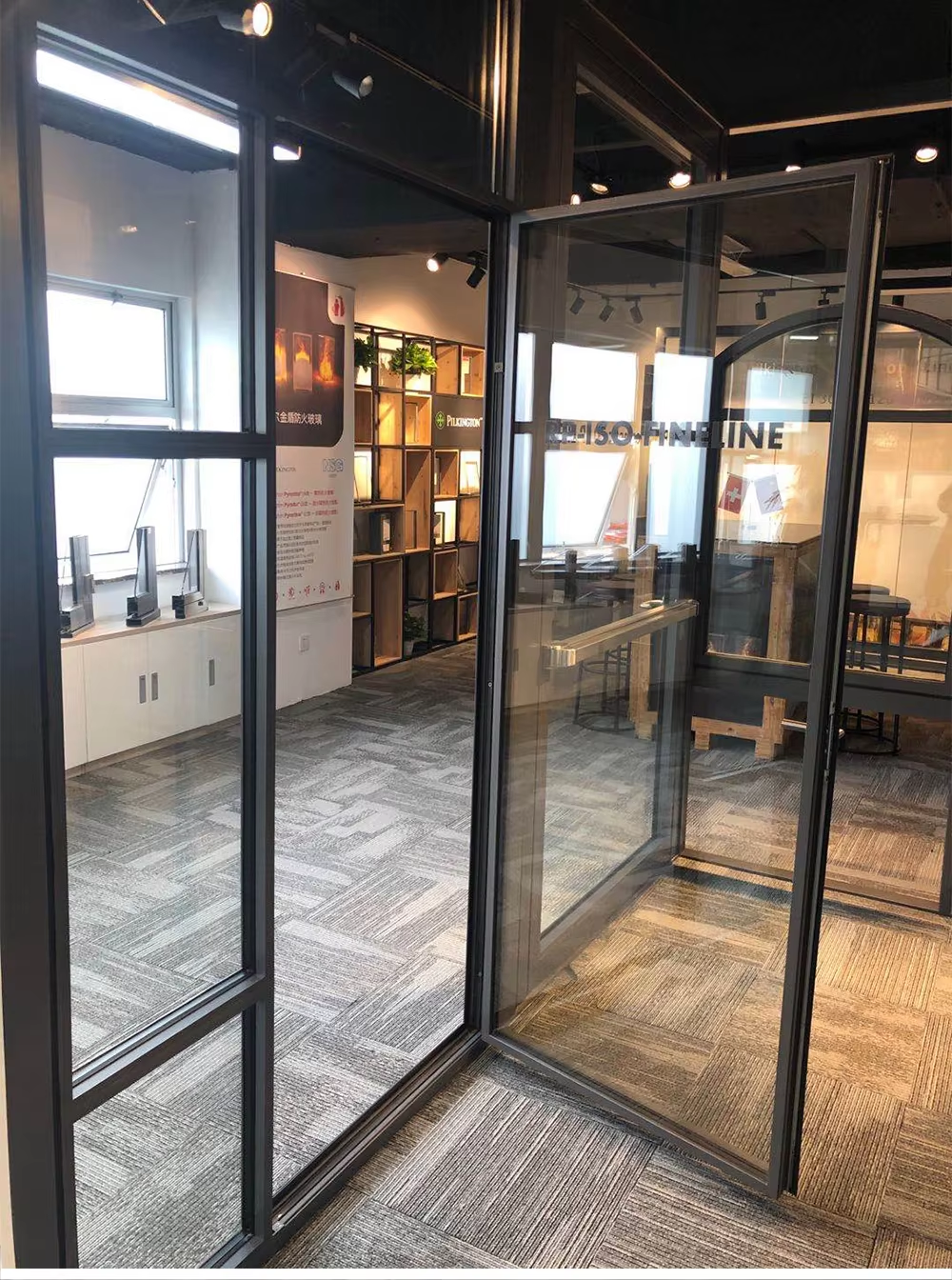
The practical goal is to limit unwanted heat flow while keeping the opening usable, durable, and appropriate to its location. Thermal break steel doors can support that goal when their frame separates interior and exterior metal surfaces; the full specification should still address energy efficient door frames insulation, industrial steel door thermal performance, and, where required, fire rated steel doors with insulation.
How thermal breaks reduce heat transfer
Separating the interior and exterior frame
Steel conducts heat readily, so a continuous metal frame can create a thermal bridge between outdoor and indoor conditions. A thermal break places a lower-conductivity material between frame sections, reducing direct transfer across that path. When assessing energy efficient door frames insulation, confirm that the break is part of the frame system rather than assuming that a thick leaf alone provides the required separation.
This distinction matters at entrances exposed to cold weather, strong sun, or frequent temperature swings. A defined break can improve industrial steel door thermal performance, but results depend on the full assembly, including frame geometry and the connection to the wall. For a project specification, energy efficient door frames insulation should describe both the frame construction and how the opening is detailed.
Controlling leakage around the opening
Heat loss is not limited to conduction through metal. Gaps at the head, jambs, threshold, or meeting stile can allow drafts and conditioned air to pass. A well-designed thermal barrier therefore works alongside continuous weather seals, suitable thresholds, and accurate installation. These details influence industrial steel door thermal performance as much as the nominal frame material.
Inspect seal compression and hardware clearances during design review, especially for doors used throughout the day. If the opening also needs a fire-protection function, fire rated steel doors with insulation must be specified as a tested, compatible assembly. Do not assume that adding an insulating component preserves a fire rating; verify the approved configuration and installation requirements.
Where efficiency gains depend on specification
Matching the door to the building envelope
A door is one part of the envelope, so its value depends on how it meets the surrounding construction. Coordinate the frame depth, perimeter seal, sill, and wall insulation to reduce weak points at the junction. Energy efficient door frames insulation is most useful when drawings show a continuous connection to the wall’s air and thermal control layers.
Glazed steel doors add another consideration: glass type, spacer design, and the proportion of glass affect heat transfer and comfort near the opening. Review these elements with the frame rather than judging the assembly by appearance. For industrial steel door thermal performance, request relevant whole-assembly data when available and compare it with the project’s climate, orientation, and operating conditions.
A highly exposed entrance may need more attention to solar gain, water management, and wind-driven air leakage than an interior partition. In a conditioned industrial space, traffic frequency and pressure differences can also shape the selection. These site conditions give context to energy efficient door frames insulation and help the design team set realistic performance targets.
Where code requires a fire barrier, efficiency decisions must respect the fire-door listing and approved hardware. Fire rated steel doors with insulation are appropriate only when the specified construction, glazing, seals, and accessories are allowed within the rated assembly. Ask for documentation that matches the exact configuration; a general product description may not establish compliance or industrial steel door thermal performance.
Coordinating efficiency with fire and operational needs
Start with the opening’s required function, then resolve energy, fire, accessibility, security, and traffic needs together. A door that closes reliably and seals consistently is more likely to retain its designed performance over routine use. Energy efficient door frames insulation should therefore be considered with closer selection, latch engagement, and threshold details rather than as a standalone material choice.
Maintenance access matters too. Seals wear, hinges can shift, and thresholds may be altered during later work. Include inspection expectations in the handover so building staff can identify damage or misalignment early. This is relevant to industrial steel door thermal performance because a sound thermal break cannot compensate for a persistent gap around the perimeter.
Applying the approach during project delivery
Reviewing submittals and installation details
At submittal, check that stated frame construction, glazing, seals, and ratings match the schedules and drawings. Ask which test results apply to the complete assembly and whether they reflect the intended size and configuration. When energy efficient door frames insulation is a project requirement, record the relevant evidence and identify any conditions that installers must maintain.
Before installation, verify rough opening dimensions and confirm that the frame can be anchored without interrupting adjacent insulation or air barriers. Use compatible perimeter materials, and follow the assembly instructions for shimming and sealing. These steps support industrial steel door thermal performance by reducing the chance that site gaps undermine the designed frame separation.
For a rated opening, coordinate inspection with the fire-door documentation and approved installation method. Fire rated steel doors with insulation must retain their listed components and clearances, so field substitutions need review before work proceeds. Treat the rating and energy details as coordinated requirements, not separate opportunities for unreviewed changes.
After installation, check that the door swings freely, latches, and compresses its seals evenly. Correct misalignment promptly, and confirm the perimeter is finished as detailed. This practical commissioning step supports energy efficient door frames insulation and can reveal air leakage paths before the opening enters regular service.
Evaluating results in building operation
Once occupied, observe comfort around the entrance during relevant weather and operating periods. Drafts, condensation, or noticeable temperature differences can point to leakage, surface-temperature issues, or a mismatch between the door and envelope. Investigate the cause before replacing components; a focused adjustment may restore industrial steel door thermal performance.
Track recurring service issues, including damaged seals, loose hardware, and doors that remain open longer than intended. Operational behavior affects energy use, even when the specified assembly is sound. In facilities where fire rated steel doors with insulation are installed, routine checks should also follow the required fire-door inspection process.
FAQ
Do thermal breaks make every steel door energy efficient?
No. A thermal break reduces one route for heat transfer, but energy efficient door frames insulation also depends on glazing, seals, installation, and wall connections. Review the complete assembly against the project’s requirements.
Can insulated fire doors include a thermal break?
Some configurations may combine these features, but the exact design must be permitted by the applicable fire-door listing. Confirm that fire rated steel doors with insulation match approved components and installation details.
What should teams review before specifying a steel door?
Check the opening conditions, required ratings, whole-assembly performance information, and interface details. This makes industrial steel door thermal performance easier to assess and supports a practical, coordinated specification.