 EN

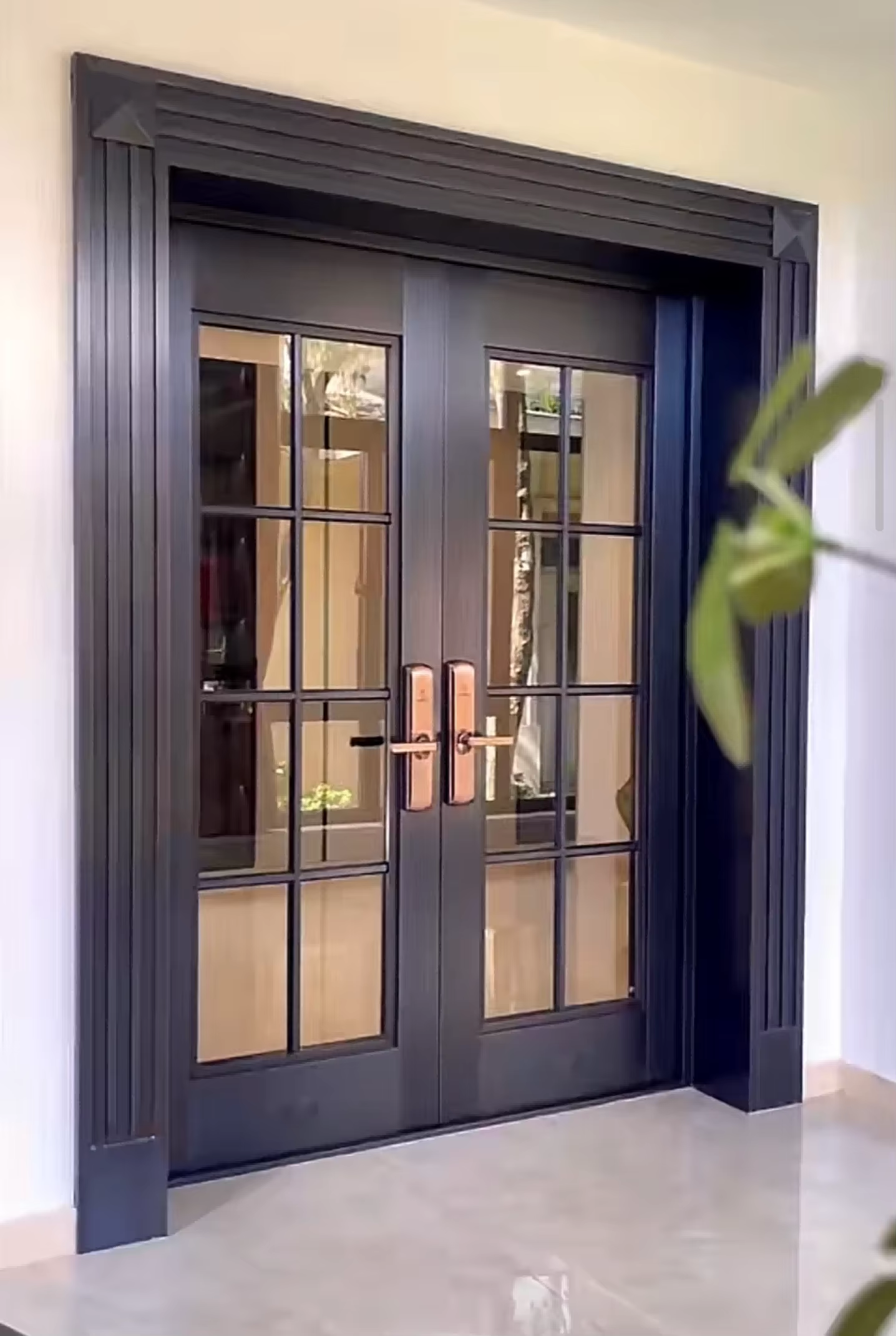
Choosing steel window manufacturers in China requires more than comparing profile drawings or quoted prices. Buyers need to test whether a manufacturer can interpret project requirements, document its fabrication process, and coordinate details across design, production, delivery, and installation. A structured review helps teams identify practical risks before they become costly site changes.
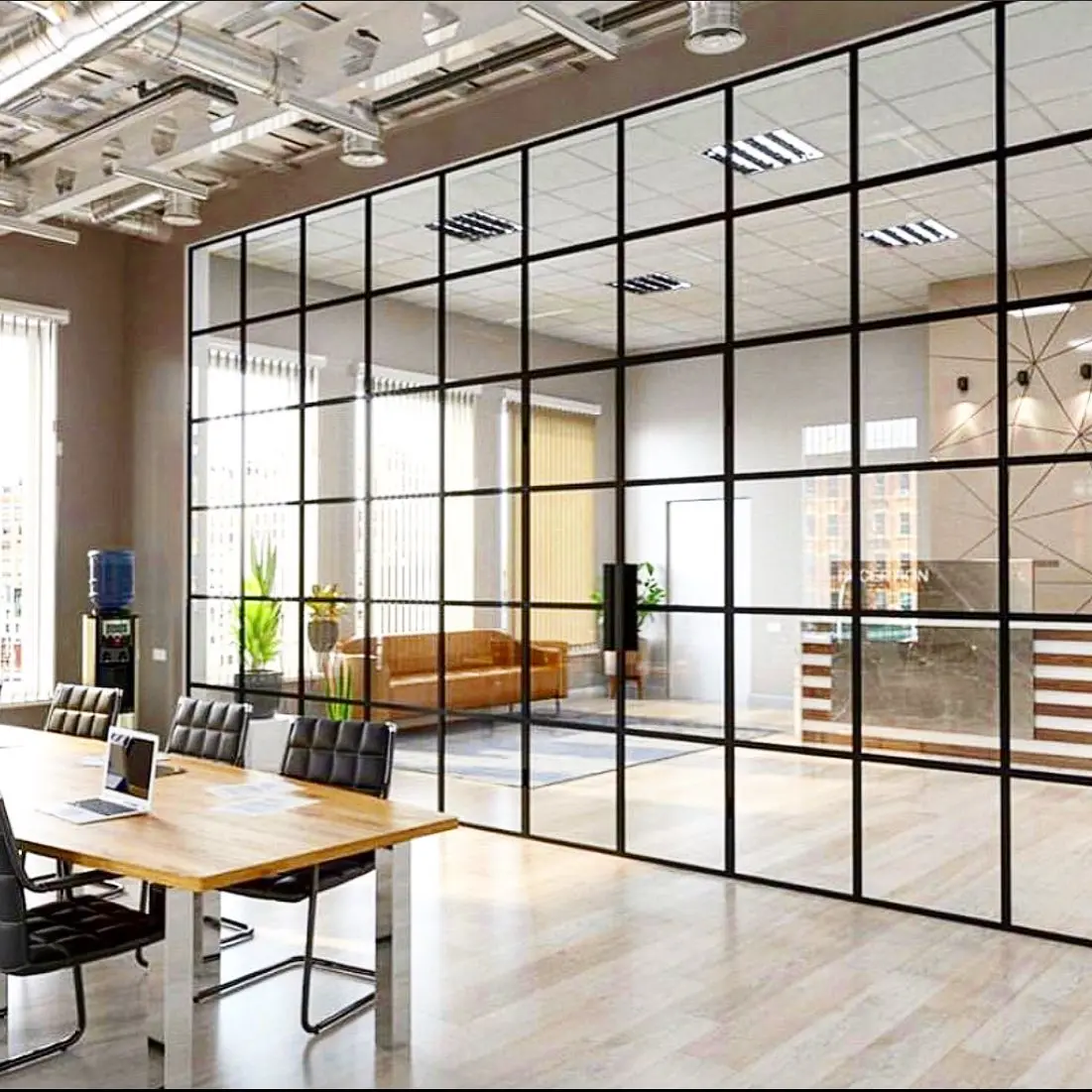
The right evaluation also depends on the building. Commercial steel windows specifications must reflect opening sizes, operating requirements, weather exposure, and the project’s applicable codes, while residential steel window installation calls for careful coordination with wall construction and finish details. The following guide explains how to assess a China-based manufacturer against these needs.
Define project requirements before reviewing manufacturers
Translate the design into measurable specifications
Start with a clear project brief rather than a general request for steel windows. Record opening dimensions, frame configuration, glazing requirements, hardware, finishes, operating types, and expected quantities. For commercial steel windows specifications, also clarify performance criteria and testing documentation required by the project team; a drawing alone may not show how each criterion will be verified.
Ask potential steel window manufacturers to identify assumptions and exclusions in their proposal. Confirm which party provides final site measurements, structural interfaces, and approved shop drawings. This step keeps commercial steel windows specifications connected to the actual scope, rather than leaving critical decisions implicit until fabrication or installation is underway.
Match the specification to the building use
Residential work often involves varied opening conditions, interior finishes, and occupied-site constraints. Planning residential steel window installation early helps the designer establish frame depth, fixing points, perimeter sealing, and access needs. A manufacturer should receive enough information to flag conflicts between the proposed frame and the surrounding wall assembly before drawings are approved.
For larger or harsher-use projects, consider industrial steel window frames durability in relation to exposure, cleaning practices, expected operation, and maintenance access. Discuss finish preparation and protection during transport, not just the finish name. Residential steel window installation also benefits from clear responsibility for checking openings and protecting finished surfaces during site work.
Verify fabrication capability and quality controls
Review the production process and inspection evidence
A useful review follows an order from incoming material through cutting, joining, finishing, glazing, and final inspection. Ask how dimensions are checked, how components are identified, and how deviations are recorded. Industrial steel window frames durability depends partly on consistent fabrication and suitable protection, so request evidence that links inspection steps to the approved drawings.
Do not treat a general quality statement as a project-specific answer. Agree on inspection points, sample approval, packaging expectations, and the records to be supplied before shipment. Commercial steel windows specifications should state relevant acceptance criteria clearly, while the manufacturer should explain how its checks address those criteria for the actual order.
Assess materials, finishes, and service conditions
Discuss the intended environment with the project team and specify material and finish requirements accordingly. Industrial steel window frames durability is not established by a label alone; it depends on design, preparation, coating selection, exposure, installation, and upkeep. Ask what documents describe the proposed system and what limitations apply to its use.
Residential steel window installation can be affected by finish damage, moisture at interfaces, or incompatible sealants. Define how frames are protected in transit and stored on site, then confirm repair procedures for any damage. For commercial steel windows specifications, ensure finish and glazing choices are coordinated with the architect and relevant technical reviewers before production release.
Control delivery, installation, and project handover
Coordinate drawings, logistics, and site readiness
Agree on drawing approval stages, revision control, production release, packing identification, and delivery sequencing. These controls matter when multiple elevations or building zones are involved. Steel window manufacturers should make it possible for the project team to trace each delivered unit to its opening and approved configuration, reducing confusion during receiving and installation.
Before dispatch, confirm who checks opening measurements and how discrepancies will be resolved. Residential steel window installation is smoother when installers receive current drawings, fixing details, and handling instructions before units arrive. For commercial steel windows specifications, ensure that delivery documents and unit labels preserve the information needed for inspection and placement.
Set acceptance and maintenance expectations
Plan installation around the wall sequence, access equipment, weather protection, and follow-on trades. Industrial steel window frames durability can be compromised if frames are stored poorly, fixed out of alignment, or exposed to unsuitable site conditions. Agree on checks for plumb, level, operation, sealing, and visible finish condition, with responsibility assigned to named project roles.
Before handover, compile approved drawings, care instructions, inspection records, and any agreed product documentation. Residential steel window installation should include a practical review of operation and cleaning with the owner or facilities team. A clear maintenance plan supports industrial steel window frames durability by helping staff recognize damage, keep drainage paths clear, and arrange suitable repairs.
FAQ
What should buyers send steel window manufacturers first?
Provide drawings, opening schedules, intended use, quantities, finish expectations, glazing and hardware requirements, delivery location, and required compliance documents. Include commercial steel windows specifications where relevant, and identify which details remain provisional. A complete brief makes proposals easier to assess and helps surface missing information before pricing or production decisions are treated as final.
When should residential installation details be confirmed?
Confirm them during design coordination and before shop drawings are approved. Residential steel window installation details should cover opening checks, fixing methods, perimeter sealing, sequencing, and responsibility for site adjustments. Early agreement reduces the likelihood that frames, wall finishes, or adjacent trades will conflict once units reach the building.
How can teams evaluate long-term frame durability?
Review the proposed materials and finish against exposure, operating conditions, installation methods, and maintenance capacity. Ask for relevant documentation and define inspection expectations rather than relying on broad claims. Industrial steel window frames durability is a project outcome shaped by specification, fabrication, handling, installation, and ongoing care.