 EN

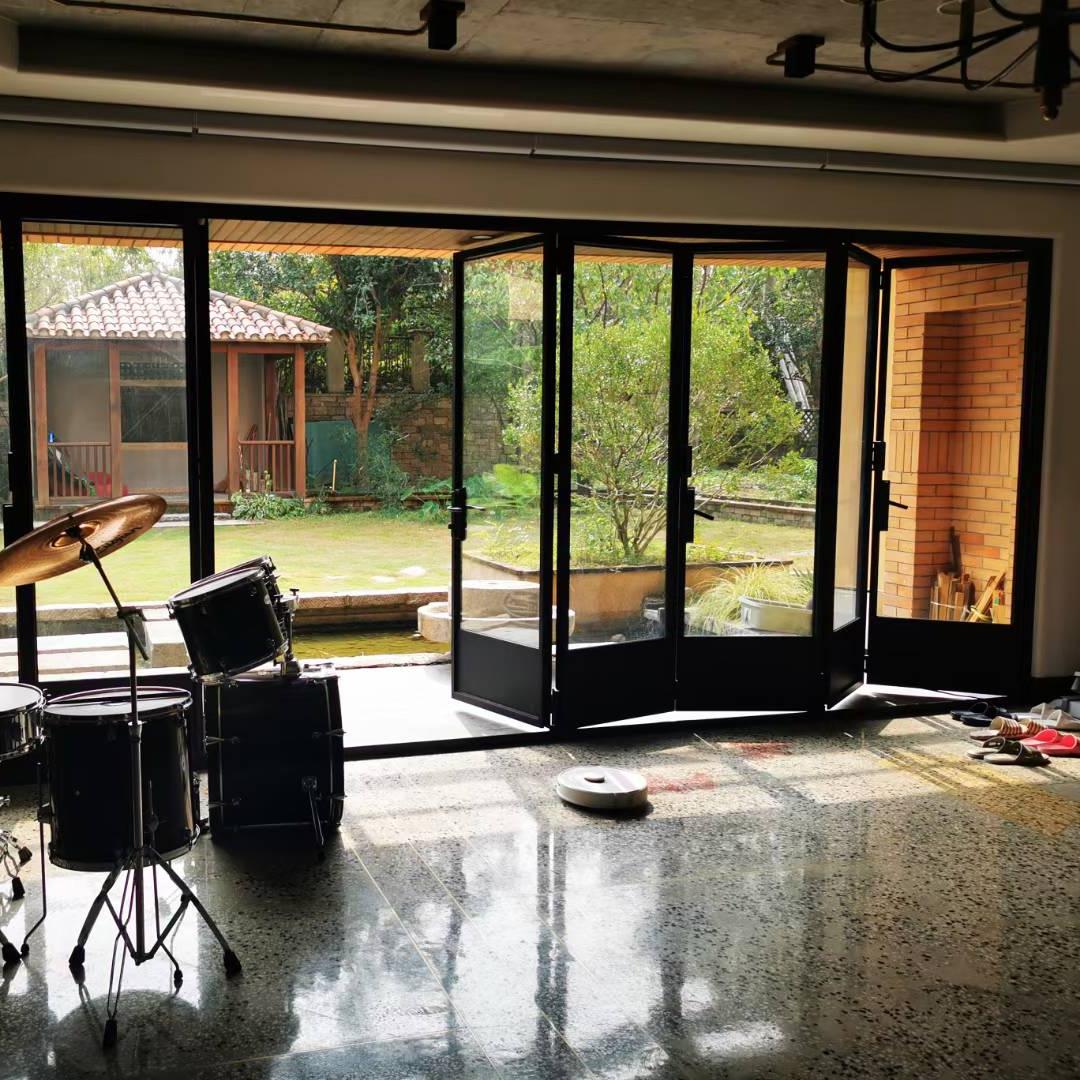
Buyers compare steel casement doors by looking beyond appearance to construction evidence, installation requirements, and operating hardware. A useful evaluation connects each detail to the building’s exposure, access needs, and maintenance plan. Start with the intended opening and the documents available, then judge whether the proposed assembly can meet those conditions.
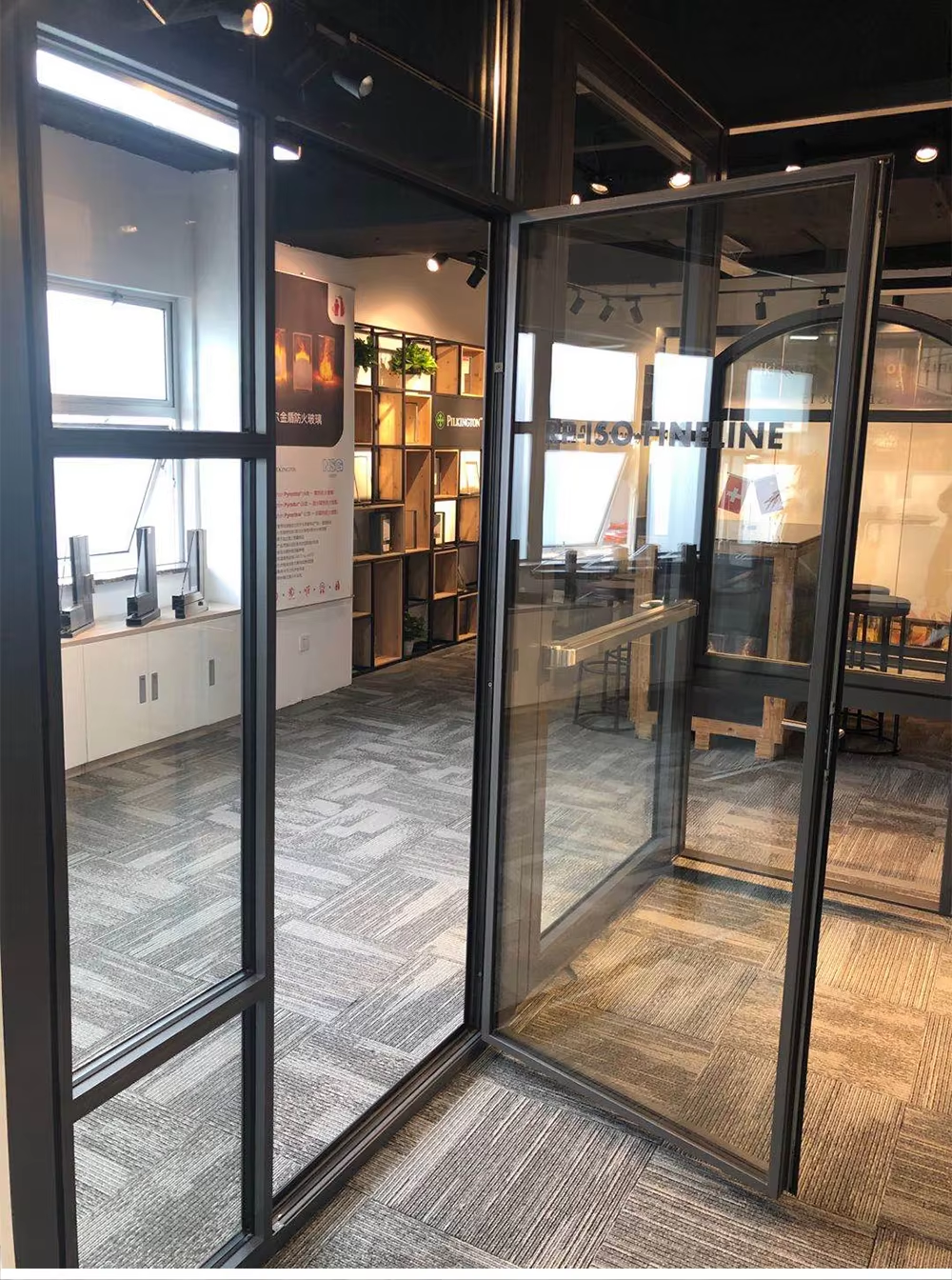
This process is especially important when comparing commercial steel window frames and door assemblies that will be installed as part of a coordinated envelope. Buyers should ask what is included, how the unit is supported and sealed, and whether hardware suits the expected cycle of use. Consistent questions make proposals easier to assess on evidence rather than presentation.
Compare construction evidence and assembly quality
Assess frame material, geometry, and finish
Begin by confirming the frame material, section dimensions, reinforcement, and connection method. Commercial steel window frames should be reviewed against the opening size and expected loads, not judged by a photograph alone. Ask for drawings that identify profiles, joints, and finish, then check that the stated configuration matches the submitted sample or product schedule.
Inspect corner joints, welds, and transitions for consistency and clear finishing details. Commercial steel window frames with uneven joints or unexplained changes in section deserve follow-up because those details may affect fit, appearance, and water control. Review coating preparation and finish requirements as well; the specification should say how exposed surfaces are protected and how damaged areas are handled during installation.
Check the relationship between frame, glazing, and opening
Quality depends on the whole assembly, including glazing, gaskets, drainage paths, and the way the sash meets the frame. Compare commercial steel window frames using the same opening dimensions and glass assumptions so the review stays fair. Confirm that steel casement doors include suitable clearances and that drawings explain how moving sections close against their seals.
Ask whether the proposed assembly has relevant test documentation or project-specific evidence. A buyer should connect each document to the configuration being purchased, because changes in glass, dimensions, seals, or hardware can alter what the evidence represents. This check is more meaningful than accepting a broad claim about quality without knowing its scope.
Evaluate weather-sealed installation readiness
Review the opening and perimeter sealing strategy
Weather performance depends on both product details and site execution. Weather-sealed casement window installation should be planned around the substrate, sill condition, drainage route, and perimeter joint. Ask for clear interface details showing where the frame is fixed and how the seal connects to adjacent construction. Commercial steel window frames need compatible opening tolerances and a defined path for managing water.
The installation method should identify who prepares the opening, supplies packers, applies sealant, and checks the finished joint. Weather-sealed casement window installation becomes difficult to assess when responsibilities are vague or when drawings omit the sill and jamb interfaces. Buyers can reduce uncertainty by requiring coordinated details before fabrication, especially where several trades meet at the same opening.
Confirm checks for fit, movement, and water control
A practical inspection plan should cover frame alignment, fixing locations, sash movement, seal contact, and visible drainage openings. Weather-sealed casement window installation should include checks at the stages when defects remain accessible, not just a final visual review. Ask how the installer will record adjustments and resolve any binding or uneven contact before handover.
For exposed façades, review how the proposed seals and sill details address the project’s actual conditions. Weather-sealed casement window installation is not a substitute for suitable product design, and a well-specified unit can still perform poorly if the opening is out of tolerance. Commercial steel window frames should therefore be matched to verified site dimensions and the approved interface detail.
Verify hardware, operation, and purchase scope
Match hardware to use and maintenance needs
Review hinges, handles, locks, stays, and fixings as functional components, not minor accessories. Industrial metal door hardware specifications should state material, finish, fixing method, and intended duty where those points affect the project. Confirm that the hardware suits sash weight and opening direction, and that operators can reach and use it safely in the installed position.
Ask how components can be adjusted, inspected, and replaced over the service life of the opening. Industrial metal door hardware specifications that identify compatible parts help facilities teams plan routine maintenance without guesswork. Also confirm that hardware positions do not conflict with adjacent walls, furniture, access controls, or required clearances.
Compare documents, inclusions, and acceptance criteria
Before approval, reconcile the quotation, drawings, finish schedule, and hardware schedule. Industrial metal door hardware specifications should align with the items actually included, while any exclusions or site-supplied components should be explicit. Buyers comparing steel casement doors can use a single project checklist covering dimensions, opening direction, finish, glazing, seals, hardware, and required documentation.
Set acceptance criteria before delivery so inspection is objective. Confirm what records will accompany the order, how visible damage will be documented, and who approves substitutions. Industrial metal door hardware specifications should be checked again against approved submittals at receipt, while commercial steel window frames should be inspected for identification, finish condition, and dimensional consistency before installation.
FAQ
What documents help buyers compare frame quality?
Request dimensioned drawings, material and finish details, assembly information, and relevant test evidence for the proposed configuration. Commercial steel window frames are easier to compare when each document describes the same opening and scope. Check that revisions match the final offer and that important exclusions are visible.
Does a sealed product guarantee a weather-tight installation?
No. Weather-sealed casement window installation also relies on accurate openings, suitable perimeter details, careful fixing, and inspection. Buyers should review the installation method alongside product information and agree on checks for alignment, seal contact, and drainage before work begins.
How should hardware be assessed before purchase?
Match the operating components to sash size, use frequency, access needs, and maintenance expectations. Industrial metal door hardware specifications should clearly identify the selected components and their installation requirements. Confirming these details early helps buyers assess the complete opening rather than an incomplete frame-only proposal.