 EN

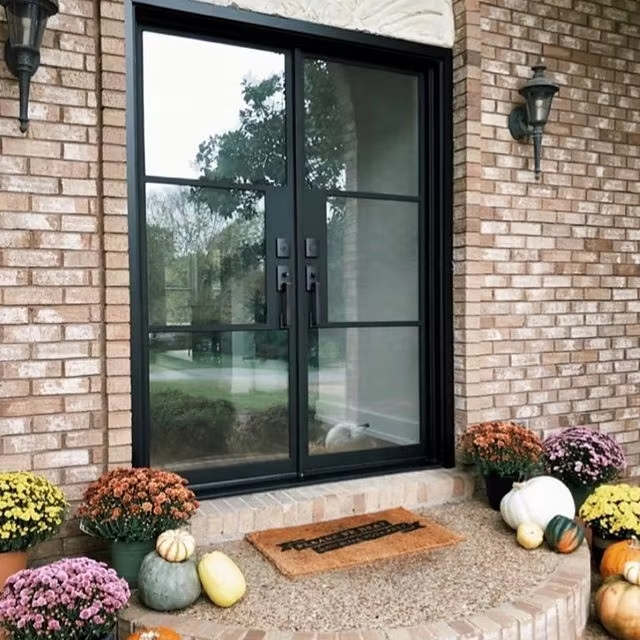
When sourcing steel design windows and doors, security depends on the complete assembly, not just the visible strength of the steel. Buyers should assess forced-entry resistance, glazing, hardware, installation, and the conditions the opening must withstand.
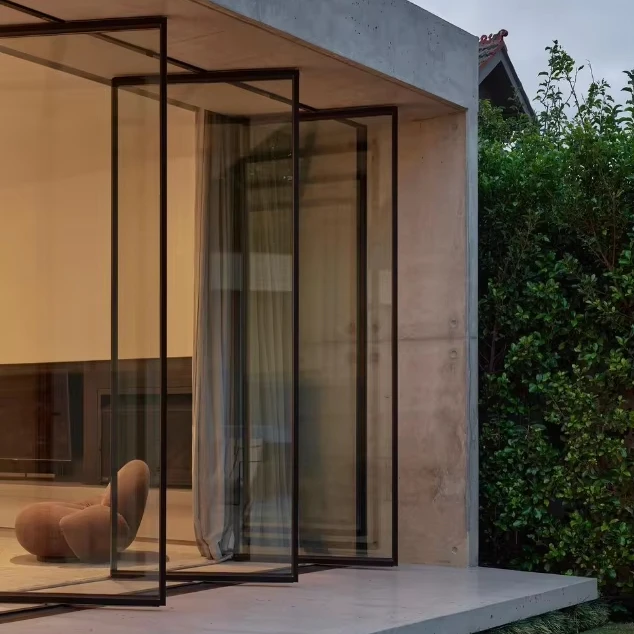
A sound sourcing decision also connects security with operational needs. Review industrial steel window frames and installation alongside thermal performance steel window specifications, and consider steel door security features and durability as part of the same building-envelope brief. This helps teams identify weak interfaces before ordering.
Assessing the Complete Security Assembly
Frames, fixings, and opening integrity
Start by checking how the frame transfers force into the surrounding wall. Industrial steel window frames and installation should be reviewed together because a strong frame can still underperform if anchors, substrate, or perimeter detailing are poorly matched to the opening.
Ask for clear information about frame sections, reinforcement, corner joints, and fixing locations. These details help project teams judge whether industrial steel window frames and installation suit the expected loads, opening size, and access conditions, rather than relying on material descriptions alone.
The door assembly deserves the same scrutiny. Steel door security features and durability include the frame, leaf, hinge-side reinforcement, and attachment points; a secure lock cannot compensate for a weak jamb or inadequate anchoring into the building structure.
Glazing, locks, and hardware continuity
Treat glass as part of the security specification. Ask whether the glazing type, retention method, and bead arrangement are appropriate for the risk level, and confirm that glass and frame details work together. Thermal performance steel window specifications should identify the glazing configuration as well as the frame.
For doors, examine lock engagement, cylinder protection, handle operation, and hinge design in combination. Steel door security features and durability depend on compatible hardware and a leaf that resists distortion during repeated use, not simply on the number of locking points.
Specify how hardware will be fixed and maintained, especially for openings used throughout the working day. Compare industrial steel window frames and installation details with the intended hardware loads, and verify that thermal performance steel window specifications do not leave gaps in information about seals or glazing retention.
Matching Specifications to Site Conditions
Exposure, thermal performance, and sealing
Security requirements vary with location. A ground-level opening, a controlled internal partition, and a weather-exposed entrance face different risks, so define the threat, exposure, and use pattern before finalizing the specification. Steel door security features and durability must reflect that real operating context.
Request thermal performance steel window specifications that explain the proposed frame and glazing arrangement, seals, and any thermal breaks. Thermal behavior matters to occupants and operating costs, while poorly considered joints can create condensation or discomfort around an otherwise robust opening.
For exterior openings, verify how the design handles wind-driven rain, drainage, and air leakage. Industrial steel window frames and installation need to address the wall interface, sill, and perimeter seal; water management protects finishes and helps preserve reliable operation over time.
Do not treat weather resistance as separate from security. A door that binds as seals age or the frame shifts can be left improperly latched. Review steel door security features and durability alongside threshold design, drainage, and expected maintenance conditions at the site.
Use patterns and operational demands
Consider how often each opening will cycle and who will operate it. A staff entrance, equipment-room door, and architectural window have different handling demands. Thermal performance steel window specifications should be checked against the room’s use, while hardware selection should reflect actual traffic.
Where openings sit near machinery, loading areas, or public access, establish practical controls for impact, access, and inspection. Industrial steel window frames and installation should suit the substrate and site sequence, including tolerances that allow installers to secure and seal the assembly correctly.
Confirm that door hardware can be serviced without compromising the security arrangement. Steel door security features and durability are easier to sustain when replacement parts, adjustment access, and routine inspection are considered during procurement rather than after the building is occupied.
Verifying Procurement and Installation Details
Documents, interfaces, and acceptance criteria
Before approval, compare drawings with the schedule of openings and confirm dimensions, handing, glazing, lock preparation, and finish. Industrial steel window frames and installation documentation should show fixing positions and perimeter interfaces clearly enough for coordination with the wall and adjacent trades.
Ask suppliers to state what is included in each performance specification and what depends on site work. Thermal performance steel window specifications are useful only when the stated assembly matches the ordered product, including glass, seals, and frame configuration.
Set acceptance criteria for operation, alignment, latching, and visible seal continuity. Steel door security features and durability should be assessed on the installed assembly, with records of hardware, adjustments, and any required commissioning checks retained for facilities teams.
Coordinate security requirements with access-control equipment where applicable. Confirm how electric strikes, cabling, sensors, or closer hardware affect the door leaf and frame. Industrial steel window frames and installation plans should also account for sequencing so that final fixings remain accessible.
Installation quality and long-term checks
Installation is a security control in its own right. Check that the opening is prepared to the agreed dimensions, the frame is aligned, and anchors engage suitable structure. Thermal performance steel window specifications should be preserved through careful sealing rather than improvised site substitutions.
Inspect locks and hinges after installation, then operate each opening through its normal range. Confirm smooth movement, positive latching, and consistent contact with seals. Steel door security features and durability can be undermined by misalignment, so document corrections before handover.
Set a maintenance approach based on exposure and usage, including checks for loose fixings, worn seals, corrosion, and hardware adjustment. Industrial steel window frames and installation records provide a reference for later repairs, while thermal performance steel window specifications help teams preserve envelope performance.
A useful procurement decision weighs the whole assembly and its lifecycle, not a single feature. Confirm that the window and door package addresses the project’s threat level, climate, traffic, and installation constraints. Clear responsibilities reduce uncertainty between specification, delivery, and handover.
FAQ
Which security detail should buyers verify first?
Begin with the connection between frame and building structure, then verify locks, glazing retention, and installation responsibilities. Industrial steel window frames and installation must be considered as one system because the surrounding wall and anchors affect the finished opening.
Do thermal specifications affect security decisions?
Yes. Thermal performance steel window specifications clarify the frame, glass, and sealing arrangement, helping buyers coordinate energy and comfort needs with the security design. Confirm that the specified configuration is the one supplied and installed.
How can teams support door durability after handover?
Record the hardware and installation details, inspect moving parts and seals, and address alignment issues promptly. These steps help maintain steel door security features and durability under the site’s actual traffic and exposure conditions.